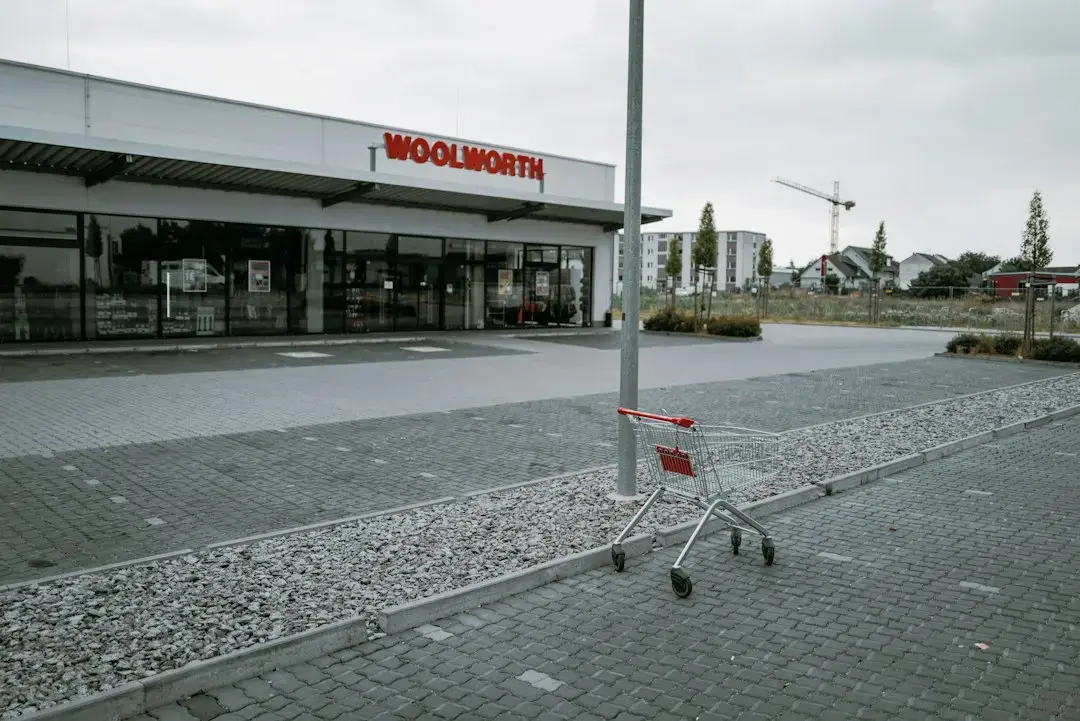
Hidden Costs Behind the Price Freeze Promise
Pricing data reveals that Woolworths increased the cost of at least four basic household products while running its „Price Freeze” promotion. The supermarket chain claimed to lock in low prices for shoppers, yet internal records show significant hikes on staples like chicken fillets, potatoes, and donuts. This discrepancy has sparked debate over the true value of the retailer’s marketing promises to budget-conscious consumers.
Breaking news
 Deadly Glacier and Rock Collapse in Nepal Linked to Climate Warming
 US Congress Passes Sweeping Sanctions Against Russia
 Speaker Johnson Ends House Session Early to Halt Impeachment Effort
 The High-Stakes Fight for Senate Majority Control
The analysis highlights a contradiction between the promotional messaging and actual shelf prices. While the campaign aimed to provide financial relief, the specific items affected were core components of many weekly grocery baskets. Shoppers who relied on these frozen prices found themselves paying more than expected. The data suggests that the freeze did not apply uniformly across all categories, leaving some vulnerable groups exposed to inflationary pressures despite the advertised stability.
Do Promotions Actually Protect Consumer Wallets?
The investigation focused on widely consumed goods that form the backbone of family diets. Chicken breast fillets saw a notable jump in price, undermining the perception of affordability. Potatoes, a cheap staple for many households, also experienced upward revisions. Donuts, often viewed as a treat but frequently bought in bulk, followed the same trend. These changes occurred while the broader campaign emphasized savings and consistency. The timing of these increases coincided with peak shopping periods, maximizing their impact on consumer budgets. Retailers often use such promotions to drive foot traffic, but the selective application of price controls can erode trust among regular customers.
Critics argue that the term „Price Freeze” implies a comprehensive halt to price rises. However, the data indicates a more nuanced reality where only select items remained stable or decreased. Other essentials moved in the opposite direction. This selective approach allows retailers to maintain overall profit margins while advertising targeted discounts. Consumers may feel misled if they assume the freeze covers their entire shopping list. Transparency remains a key issue in modern retail marketing strategies.
The consequences of this finding extend beyond a single promotional period. It sets a precedent for how supermarkets communicate price stability to the public. Future campaigns may face stricter scrutiny from consumer advocacy groups and media outlets. Shoppers are likely to compare receipts more carefully against advertised claims. For Woolworths, maintaining credibility will require clearer definitions of what exactly is included in future price guarantees. The outlook suggests a growing demand for standardized labeling that distinguishes between truly frozen prices and those that remain subject to change.
Frequently Asked Questions
Which specific products had their prices increased during the freeze? Chicken fillets, potatoes, and donuts were among the items that saw price hikes. At least four key products were identified in the pricing data analysis.
Did the price freeze apply to all grocery items? No, the freeze did not cover every product in the store. The data shows that while some prices stayed steady, others rose significantly during the promotional window.