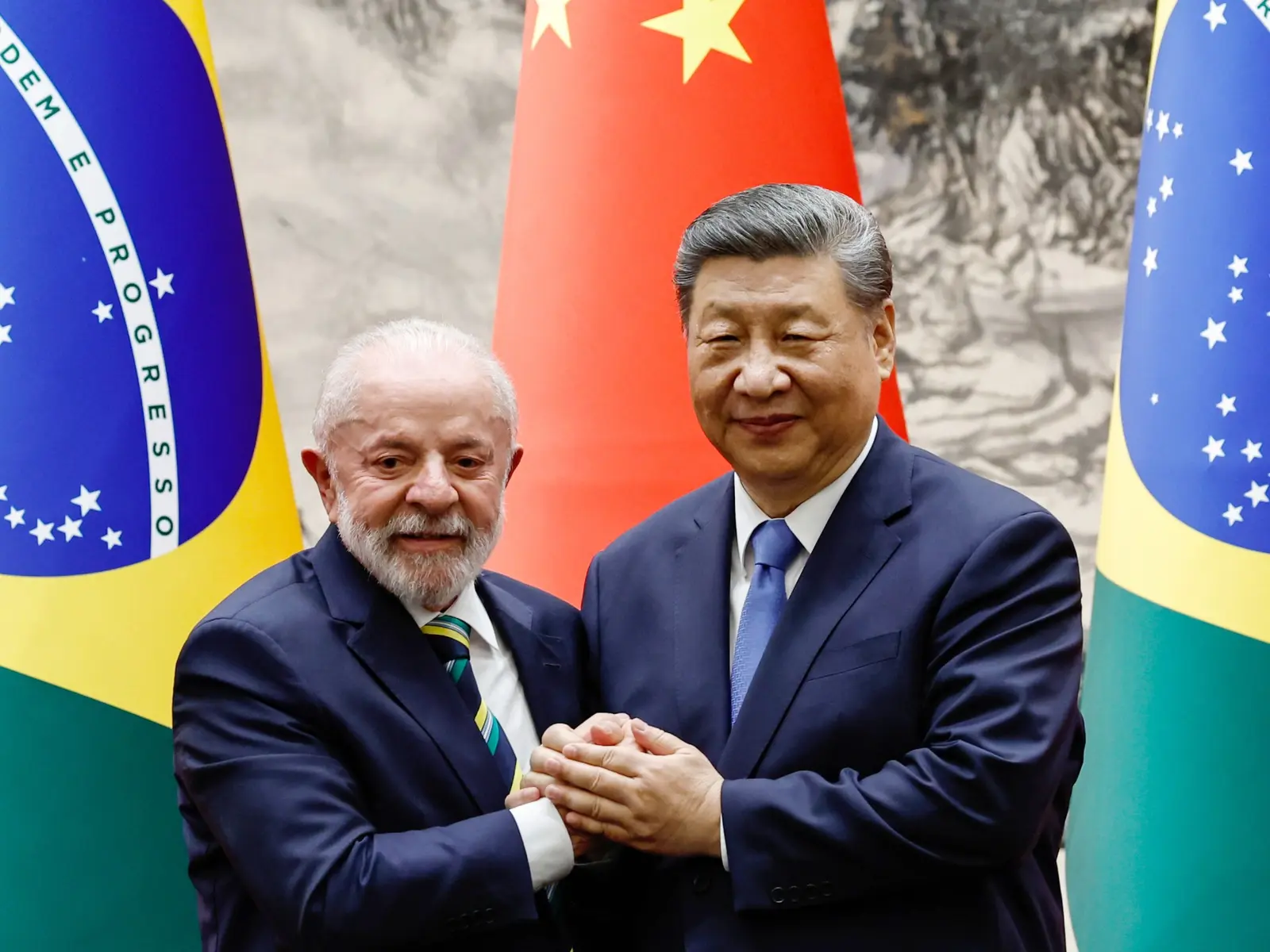
Superpower Rivalry Reshapes Latin American Alliances
Luiz Inacio Lula da Silva secured victory in Brazil’s presidential election, a result that has drawn sharp criticism from the White House. Donald Trump publicly questioned the legitimacy of the vote, calling it „another rigged election.”The U. S. administration subsequently issued visas for Lula’s defeated rival, Flavio Bolsonaro, and his family, facilitating their move to Miami. There, Bolsonaro declared himself the rightful leader of Brazil.
Breaking news
 Max Miller Loses Congressional Seat Amid Domestic Abuse Allegations
 Democrats Win Senate Control as Voters Reject Trump Agenda
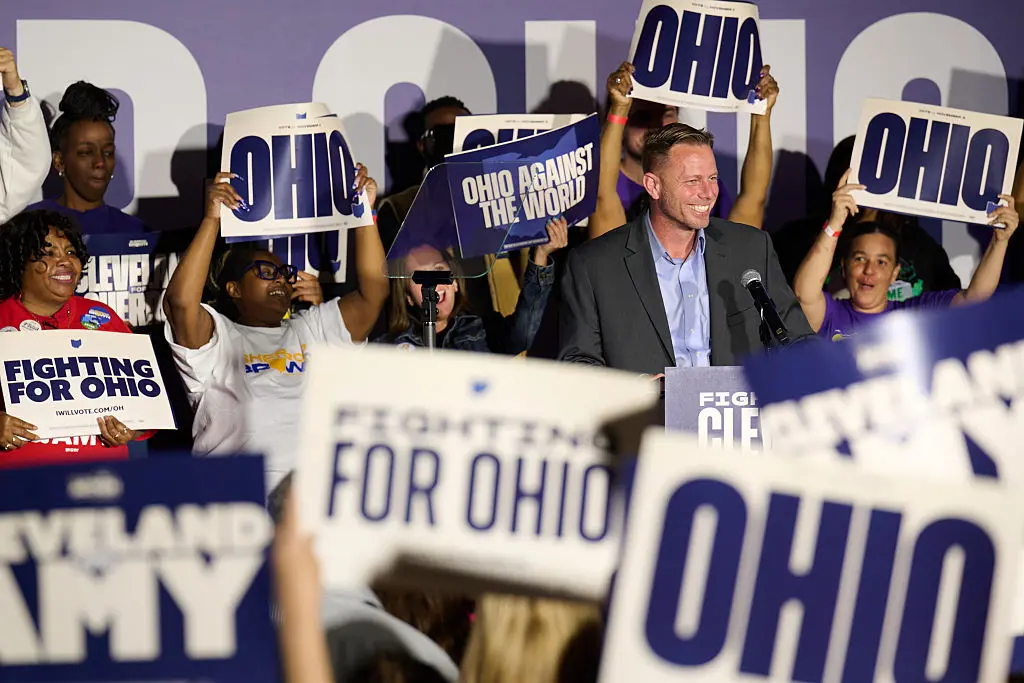 Democrat Brian Poindexter Defeats Incumbent Max Miller in Ohio’s Seventh District
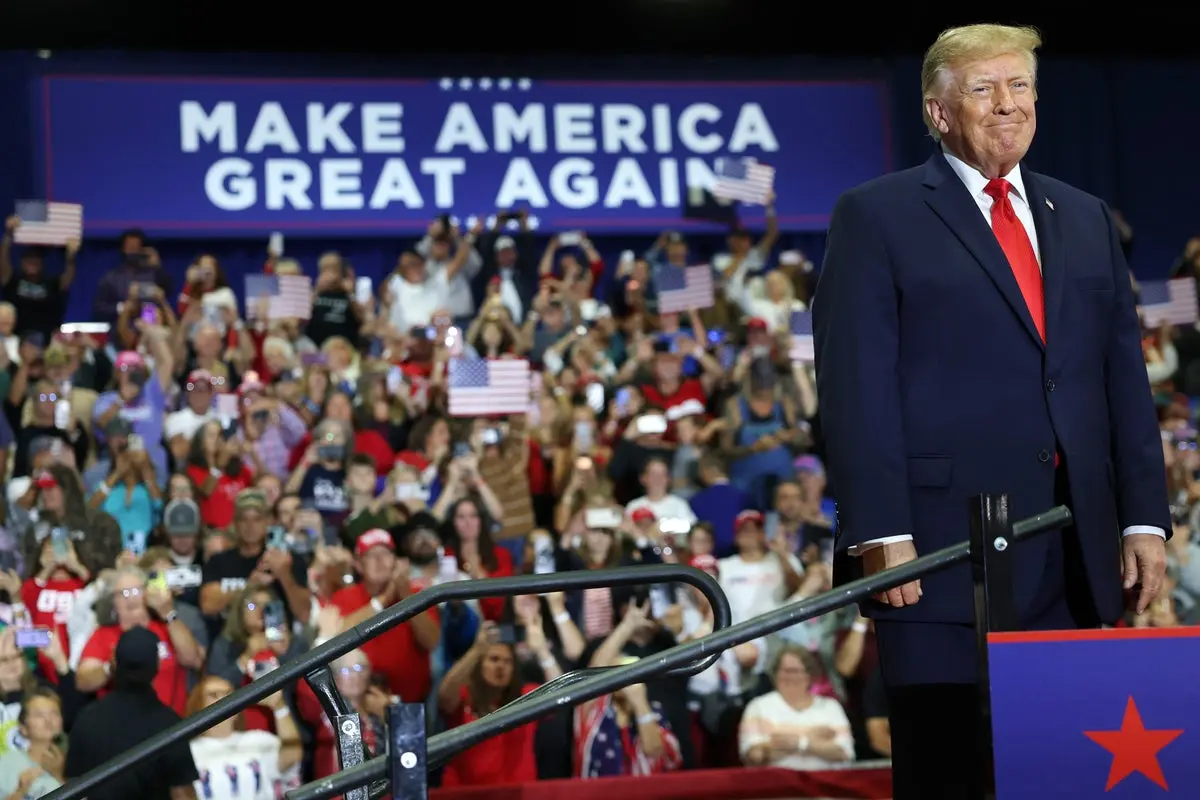 MAGA influencers spiral as Trump faces crushing midterm defeat
The diplomatic friction extends beyond rhetoric. China, under President Xi Jinping, has positioned itself as an alternative partner for emerging economies. Lula’s government is now navigating between these two superpowers while pursuing an independent foreign policy. This balancing act creates immediate pressure on Brazil’s diplomatic standing.
The U. S. response to Lula’s victory highlights a broader pattern. Washington has historically used trade, visas, and aid as leverage over Latin American leaders who deviate from U. S. preferences. By granting visas to Bolsonaro’s family, the administration signaled support for the opposition. This move complicates Lula’s ability to build stable bilateral relationships.
Can Brazil’s Independence Survive External Pressure?
China, meanwhile, offers a contrasting model. Beijing has invested heavily in infrastructure across the region. For many Global South nations, China represents a partner that does not demand political alignment. Lula’s government is testing whether this alternative can sustain long-term cooperation.
The outcome of this diplomatic stress test will influence how other developing nations approach superpower relations. If Lula’s government can maintain its course despite U. S. pressure, it sets a precedent for regional autonomy. Conversely, if external forces succeed in destabilizing Brazil, it may embolden similar tactics elsewhere.
Analysts note that the visa decision was a calculated signal. It demonstrated that the U. S. is willing to use immigration policy as a tool of influence. For Lula, the challenge is to prove that Brazil can engage with both powers without being forced into a binary choice.
Frequently Asked Questions
Why did the U. S. grant visas to Bolsonaro’s family? The administration used visa policy to support the opposition after Lula’s win. This move was intended to signal that the U. S. would back those who challenged the election result.
How does China fit into this diplomatic dynamic? China offers an alternative partnership model for the Global South. Lula’s government is exploring this relationship as a counterweight to U. S. pressure.
What is the broader significance of this election result? The outcome tests whether emerging economies can maintain independent foreign policies. Success or failure will shape regional diplomatic strategies for years to come.



