Can Regional Demand Offset Massive Infrastructure Costs?
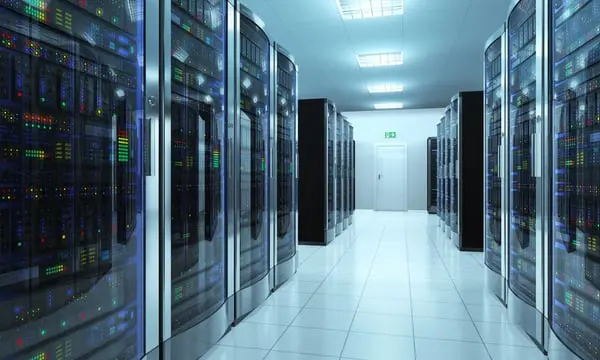
The center of gravity for global data processing is moving decisively to Southeast Asia. This shift is driven by surging regional demand for artificial intelligence services. Companies are pouring massive resources into the area. The move aims to meet growing computational needs. This strategic relocation is happening now. It represents a significant change in global infrastructure. The region is becoming a critical node for digital operations.
Breaking news
 Ronna McDaniel Weighs In on GOP's Path Forward
 Market Sentiment Shifts as S&P 500 Snaps Three-Day Losing Streak
 Voters Demand Stronger Congressional Oversight of Presidential Power
 Pelosi Looks Back, Sees Democratic Triumph Ahead
The primary driver behind this migration is the exploding need for AI capabilities. Businesses require vast amounts of processing power and storage. Southeast Asia offers a favorable environment for this expansion. The cost of building and maintaining these facilities is enormous. Investors must weigh these expenses against future revenue potential. The region’s growing tech sector provides a ready market. Local demand is outpacing previous projections. This creates a strong business case for new data centers.
The fundamental question facing investors is financial viability. Will the sheer volume of AI requests justify the capital expenditure? Building data centers requires significant upfront investment. Energy costs and land acquisition add to the burden. However, the scale of AI adoption is unprecedented. Enterprises in the region are integrating AI into core workflows. This generates consistent, high-value usage. The demand curve is steep and accelerating. Service providers expect long-term contracts to secure returns. The region’s strategic location also offers logistical advantages. It sits between major Asian markets. This reduces latency for key economic hubs.
Is the AI Infrastructure Race Sustainable?
Data storage and processing are no longer back-office functions. They are now the frontier of competitive advantage. Companies that secure capacity early gain an edge. The infrastructure buildout is moving at a rapid pace. Engineers are working around the clock to meet deadlines. New facilities are rising in major urban centers. These sites are designed for high-density computing. They feature advanced cooling systems to handle heat. The focus is on efficiency and reliability. Downtime is unacceptable for AI workloads. Therefore, redundancy is a key design principle.
The race to build data centers is intensifying. Competitors are vying for limited resources. Skilled labor is in high demand. Supply chains for hardware are under pressure. Yet, the momentum shows no signs of slowing. Governments are offering incentives to attract investment. Tax breaks and streamlined permits are common. This policy support accelerates project timelines. The region is positioning itself as a global leader. It aims to capture a larger share of the AI economy. The stakes are high for all parties involved.
Frequently Asked Questions
The outcome will shape the future of digital commerce. If demand holds, the region will thrive. If adoption slows, the infrastructure may sit idle. The risk is substantial but the reward is immense. Analysts remain cautiously optimistic. They believe the current trajectory is sustainable. The integration of AI into daily business is irreversible. This ensures a baseline level of demand. The shift to Southeast Asia is not a temporary trend. It is a structural change in global tech. The region is ready to lead the next wave of innovation.
Why is Southeast Asia attracting data centers? The region offers strong local demand for AI services. It also provides strategic geographic advantages for Asian markets.
Are the costs of building these facilities justified? Investors believe long-term AI usage will cover the high initial expenses. The rapid growth of the tech sector supports this view.