How cross-border travel complicates outbreak containment
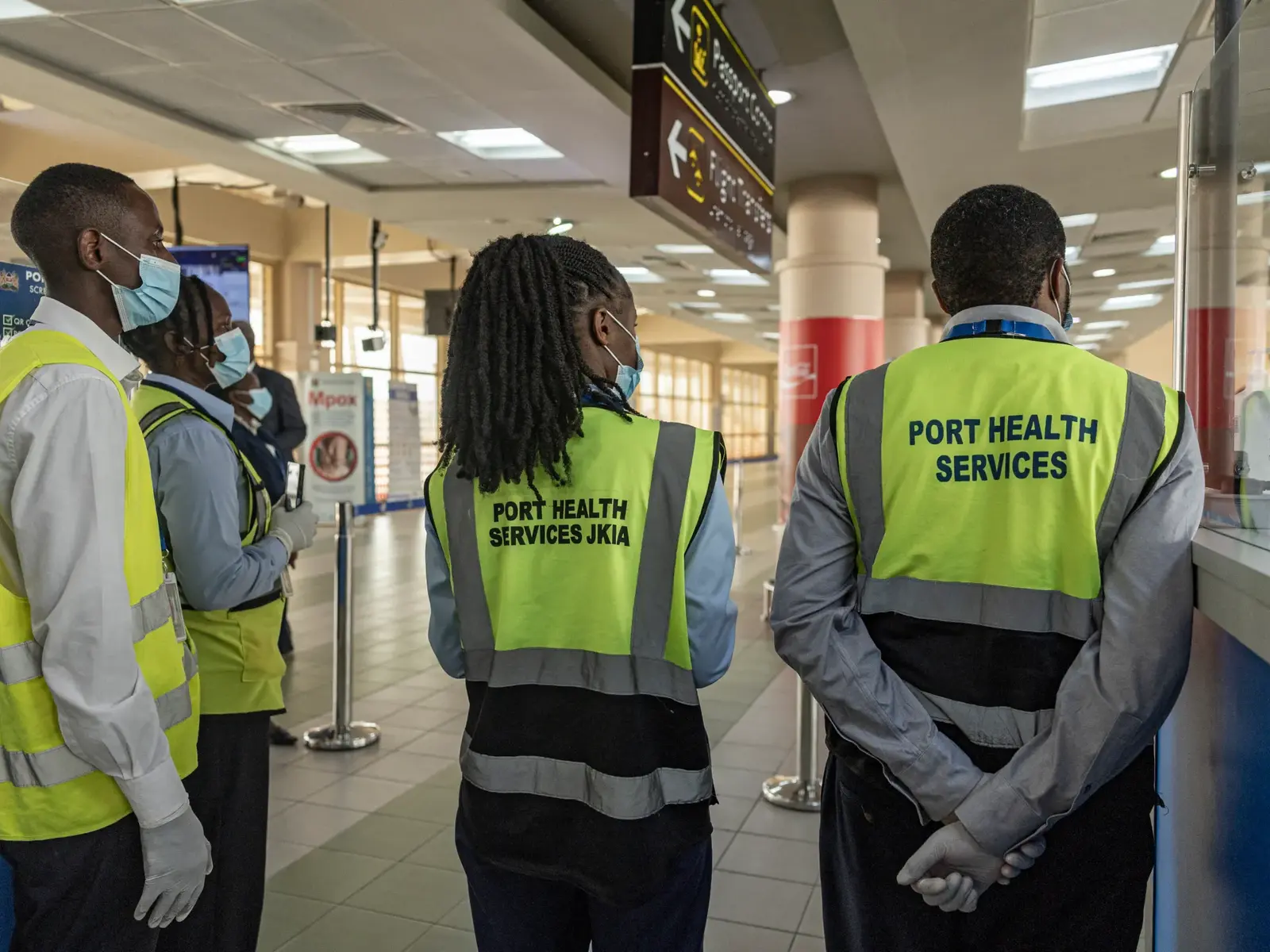
A single confirmed Ebola case in Kenya has triggered regional alarm after the patient, who initially fell ill in the Democratic Republic of Congo, traveled across borders before succumbing to the virus. The World Health Organization confirmed the death on October 1, 2026, noting the individual had been living in eastern DRC, where an ongoing outbreak has persisted for months. Kenyan health authorities immediately activated emergency protocols upon identifying the case in a Nairobi hospital, isolating contacts and launching contact tracing efforts across multiple counties. The patient’s movement from DRC to Kenya via public transport routes has raised serious concerns about potential undetected transmission chains, particularly in border regions with limited surveillance capacity. Health officials emphasized that while no secondary cases have been confirmed so far, the incident highlights vulnerabilities in cross-border health monitoring systems.
Breaking news
 Ronna McDaniel Weighs In on GOP's Path Forward
 Market Sentiment Shifts as S&P 500 Snaps Three-Day Losing Streak
 Voters Demand Stronger Congressional Oversight of Presidential Power
 Pelosi Looks Back, Sees Democratic Triumph Ahead
The patient’s journey from DRC to Kenya involved multiple stops along major transport corridors used by traders, migrants, and aid workers, complicating efforts to track all potential exposures. WHO officials noted that the individual sought treatment only after symptoms worsened, delaying diagnosis and increasing the risk of community spread during the infectious period. Kenyan health teams have since quarantined over 80 close contacts, including family members and healthcare workers, while deploying rapid response teams to clinics along the suspected travel route. Neighboring countries including Uganda and Tanzania have been alerted to strengthen screening at border crossings, though officials acknowledge challenges in monitoring informal crossings. Dr. Amina Ndiaye, WHO’s regional emergency coordinator, stated that „each missed link in the chain increases the chance of silent transmission,” underscoring the need for faster information sharing between national health systems.
What measures are being taken to prevent further spread?
In response to the incident, Kenya has intensified surveillance at airports, bus terminals, and key border points, reinstating temperature checks and health declaration forms for travelers arriving from Ebola-affected zones. The government has also released additional funding for community engagement programs in high-risk areas, aiming to improve early symptom reporting and reduce stigma around seeking treatment. Laboratories in Nairobi and Mombasa have been placed on standby for rapid Ebola testing, with results now prioritized for suspected cases. Regional health ministers met virtually on October 2 to coordinate a unified response, agreeing to share real-time case data and align quarantine protocols. Despite these steps, experts warn that sustained vigilance is essential, as the DRC outbreak remains active and population mobility across the region continues to pose a persistent threat to containment efforts.
How did the patient travel from DRC to Kenya without detection? The individual used regular public transport routes and did not declare recent travel from an Ebola-affected area when seeking care in Kenya, which delayed identification until symptoms became severe.
Frequently Asked Questions
Is there evidence of local transmission in Kenya from this case? As of now, no secondary infections have been confirmed among the 80+ monitored contacts, but health officials continue to monitor them closely for the full 21-day incubation period.
What is the current status of the Ebola outbreak in DRC? The outbreak in eastern DRC remains ongoing, with periodic flare-ups reported in remote areas, though overall case numbers have declined compared to earlier peaks in 2026.