A New Era of Diplomacy in Kabul
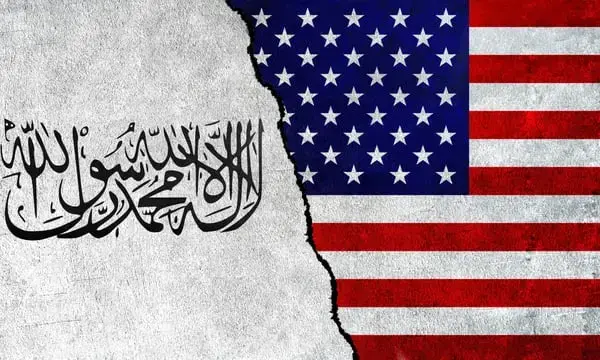
The United States has significantly altered its approach to Afghanistan. Washington is now moving away from a broad focus on human rights. Instead, it is engaging in selectivecontacts, driven by individual situations. This marks a notable shift in American foreign policy towards the Taliban-controlled nation.
Breaking news
 Greenpeace Investigates Zaporizhzhia Nuclear Plant Power Lines
 Researcher warns strict age limits needed for children on social media
 Hezbollah defends its arsenal amid Lebanese political deadlock
 Can an AI Chatbot Reduce Maternal Deaths in Kenya?
This new strategy represents a significant victory for the Taliban. It follows the disorganized and rapid withdrawal of US and allied forces from Afghanistan. The change suggests a more pragmatic, less ideologically driven engagement.
The previous emphasis on universal human rights principles has lessened. The US now appears to be addressing specific issues as they arise. This could include humanitarian aid, counter-terrorism efforts, or the safe passage of certain individuals. Such a tailored approach allows for more flexible interactions with the de facto authorities. It also acknowledges the complex realities on the ground.
What Does Selective ContactMean for Afghans?
Critics argue this shift might de-emphasize human rights abuses. They fear it could legitimize the Taliban regime without sufficient concessions. Supporters, however, believe it is a necessary step for any effective engagement. They argue it allows for practical solutions to pressing problems.
Selective contactimplies that the US will pick and choose its engagements. These interactions will likely focus on immediate, tangible outcomes. For instance, discussions might center on humanitarian access or the release of detainees. It moves away from broad demands for systemic change. This could lead to a more transactional relationship.
Frequently Asked Questions
The impact on ordinary Afghans remains a key concern. Will this new policy improve their daily lives? Or will it further entrench the current power structure? The international community is closely watching these developments. The long-term consequences of this policy pivot are still uncertain.
What prompted this change in US policy? The shift comes after the chaotic withdrawal of US and allied forces. It reflects a move towards more pragmatic engagement with the Taliban, prioritizing specific cases over broad human rights advocacy.
How does this benefit the Taliban? This new approach could be seen as a win for the Taliban. It allows them to engage with the US on their terms, potentially gaining a degree of international recognition without fully addressing human rights concerns.