Rights Groups Warn of Severe Risks Upon Return
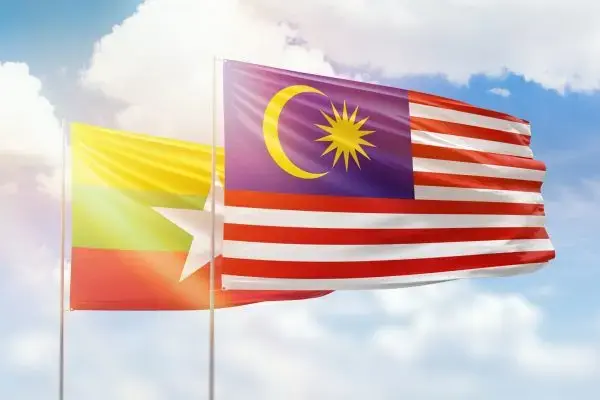
Malaysia has announced plans to repatriate 1,476 Myanmar nationals to their home country. The United Nations High Commissioner for Refugees stated it is not directly involved in this specific operation. This clarification aims to address concerns raised by international observers regarding the agency’s oversight role during the transfer process.
Breaking news
 Deadly Glacier and Rock Collapse in Nepal Linked to Climate Warming
 US Congress Passes Sweeping Sanctions Against Russia
 Speaker Johnson Ends House Session Early to Halt Impeachment Effort
 The High-Stakes Fight for Senate Majority Control
Rights organizations have voiced strong opposition to the move. They argue that returning these individuals exposes them to significant dangers within Myanmar. The group highlights the risk of physical abuse and poor treatment upon arrival. Additionally, they warn that many men face the threat of forced military conscription. This concern stems from the ongoing civil conflict and the government's recruitment drives.
The advocacy sector describes the situation as critical. They emphasize that the 1,476 people are not merely tourists or temporary visitors. Many have lived in Malaysia for years, establishing roots and livelihoods. Sending them back now feels premature to many experts. The legal framework governing their status remains complex and often unclear. Consequently, the repatriation process lacks a clear safety net for vulnerable families.
Does Lack of UNHCR Involvement Change the Outcome?
Supporters of the plan suggest that voluntary return is the preferred outcome. However, critics argue that true voluntariness is hard to achieve under pressure. Some refugees feel compelled to accept the transfer due to financial strain. Others fear losing their temporary protection status in Malaysia. This dynamic creates a tense environment where choice may be limited.
The UNHCR’s statement serves to define its operational boundaries. It does not mean the agency is ignoring the refugees’ plight. Instead, it indicates that the primary responsibility for logistics lies with national authorities. The UN body continues to monitor conditions and provide guidance where possible. This distinction helps manage expectations among the refugee community. It also clarifies who holds decision-making power for the actual transport and handover.
Observers note that the lack of direct UNHCR involvement does not stop advocacy efforts. Non-governmental organizations remain active in supporting the affected families. They provide legal aid and psychological support during the transition. These groups work closely with the refugees to prepare them for what lies ahead. Their presence offers a crucial buffer against potential administrative errors.
The coming weeks will determine the success of this repatriation effort. If the risks cited by rights groups materialize, public scrutiny will intensify. Malaysia may face diplomatic pressure to ensure safe passage. Myanmar must demonstrate that it can absorb the returning population without escalating tensions. The outcome will set a precedent for future migration deals between the two nations. Stakeholders are watching closely for signs of cooperation or friction.
Frequently Asked Questions
How many Myanmar nationals are being repatriated? A total of 1,476 individuals are included in the planned transfer. This figure represents a significant portion of the registered refugee population in the area.
Is the UNHCR leading the repatriation process? No, the UNHCR explicitly stated it is not directly involved in the operation. National authorities are handling the logistical and administrative aspects of the return.
What are the main concerns raised by rights groups? Groups worry about high risks of torture, mistreatment, and forced conscription. They believe the current conditions in Myanmar make a safe return difficult for many.