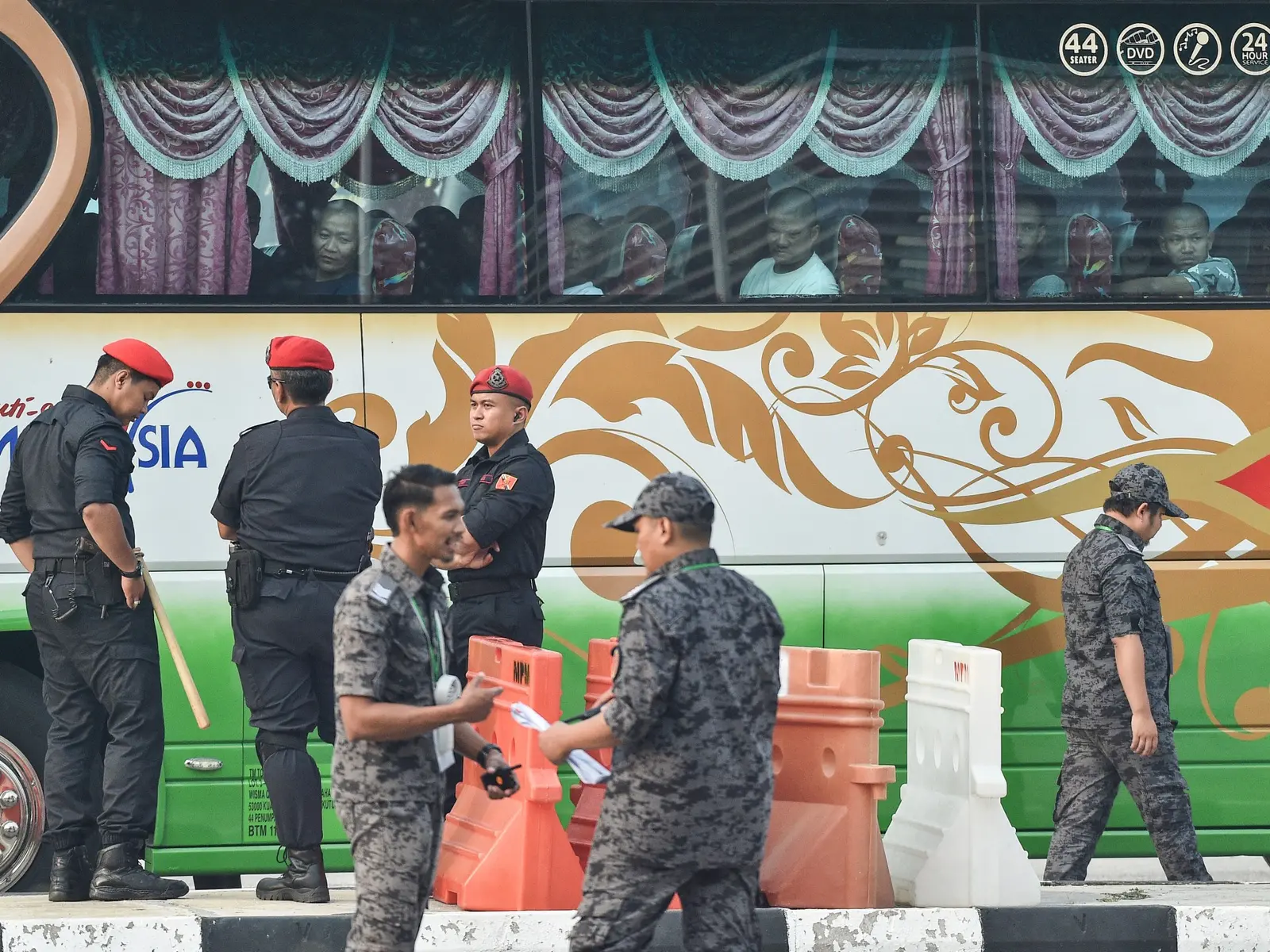
Risks of Forced Displacement
Malaysian authorities have commenced the forced return of approximately 1,500 Rohingya refugees to their home country. This initial phase of repatriation is moving forward despite urgent warnings from human rights organizations regarding the safety of those being sent back. The move marks a significant shift in the nation’s handling of displaced populations.
Breaking news
 Ronna McDaniel Weighs In on GOP's Path Forward
 Market Sentiment Shifts as S&P 500 Snaps Three-Day Losing Streak
 Voters Demand Stronger Congressional Oversight of Presidential Power
 Pelosi Looks Back, Sees Democratic Triumph Ahead
The government maintains that these individuals are being repatriated as part of a structured process. However, international observers argue that the political climate in the refugees' home region remains volatile and dangerous. Critics emphasize that returning these vulnerable people could expose them to severe persecution, violence, or systemic human rights abuses.
Will the Repatriation Lead to Humanitarian Crisis?
Human rights advocates have expressed deep alarm over the Malaysian government's decision. They argue that the refugees face an uncertain and potentially life-threatening future upon arrival. Many of these individuals fled their homes to escape targeted violence and systemic discrimination, making their return a matter of grave concern for global humanitarian groups.
The repatriation process is expected to continue in stages, with the current group of 1,500 people serving as the first wave. Officials have not provided detailed information regarding the specific safeguards in place for those being transferred. This lack of transparency has fueled further criticism from those monitoring the situation on the ground.
The long-term consequences of this policy remain unclear. Observers worry that the move could set a troubling precedent for how Southeast Asian nations manage the ongoing regional refugee crisis. As the process unfolds, the international community continues to urge Malaysia to prioritize the safety and dignity of the displaced individuals above all other administrative goals.
Frequently Asked Questions
What is the primary reason for the international criticism? Rights groups argue that returning Rohingya refugees to their home country is unsafe due to the ongoing risk of violence and systemic persecution. They contend that these individuals are being sent back to a volatile environment.
How many refugees are involved in this initial phase? The first phase of the repatriation process involves approximately 1,500 individuals. Authorities have indicated that this is only the beginning of a broader effort to return refugees.



