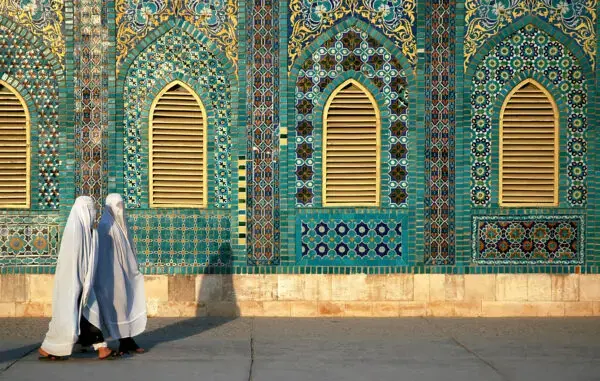
Enabling Autocracy Through Diplomacy
Afghanistan's Taliban regime has been sustained by international compromises on human rights, allowing them to maintain control. The United Nations has played a significant role in this by providing economic, political, and psychological support. This has been ongoing since the Taliban's takeover.
Breaking news
 Deadly Glacier and Rock Collapse in Nepal Linked to Climate Warming
 US Congress Passes Sweeping Sanctions Against Russia
 Speaker Johnson Ends House Session Early to Halt Impeachment Effort
 The High-Stakes Fight for Senate Majority Control
The continuous compromise of human rights standards has given the Taliban the necessary lifelines to sustain their autocracy. By engaging with the Taliban, international bodies have effectively normalized their rule, despite severe human rights abuses. The Taliban's treatment of women and girls is particularly egregious, with severe restrictions on their rights and freedoms.
The UN's engagement with the Taliban has been criticized for prioritizing stability over human rights. This approach has allowed the Taliban to maintain their grip on power, while continuing to suppress the rights of Afghan citizens. The international community's willingness to engage with the Taliban has been seen as a tacit endorsement of their rule.
Can Engagement Bring Change?
Critics argue that engagement with the Taliban is necessary to bring about change, but so far, this approach has yielded little results. The Taliban has shown no willingness to reform, and their human rights abuses continue unabated. The international community must re-evaluate its approach to Afghanistan and consider the long-term consequences of its actions.
The consequences of continued international engagement with the Taliban are dire. If the current approach continues, the Taliban will likely remain in power, and human rights abuses will persist. The international community must prioritize human rights and consider alternative strategies to bring about positive change in Afghanistan.
Frequently Asked Questions
What is the UN's role in sustaining the Taliban's rule? The UN's engagement with the Taliban has provided them with economic, political, and psychological support, effectively normalizing their rule. This has been criticized for prioritizing stability over human rights.
Why has the international community engaged with the Taliban? The international community has engaged with the Taliban in an attempt to bring about stability and security in Afghanistan. However, this approach has been criticized for being ineffective in improving human rights.
What are the consequences of continued engagement with the Taliban? Continued engagement with the Taliban will likely allow them to remain in power, and human rights abuses will persist. The international community must re-evaluate its approach to prioritize human rights and consider alternative strategies.