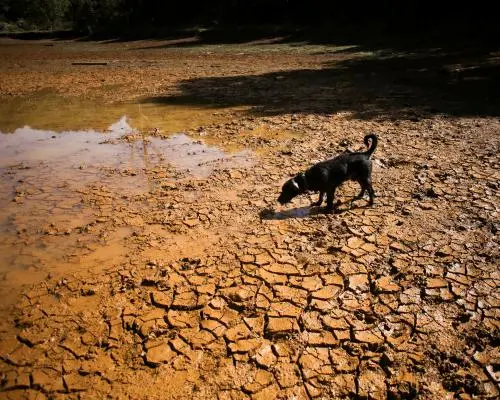
Unprecedented Ocean Warming Trends
A massive El Niño weather pattern has shattered global temperature records this year, arriving less than two years after the previous occurrence. Climate experts around the world are closely monitoring the phenomenon, which originates in the tropical Pacific Ocean and significantly impacts weather systems across the globe.
Breaking news
 Former German Intelligence Chief Faces Espionage Charges
 American Educator Analyzes French Student Demonstrations
 Massive Protests Erupt Across France Over Educational Funding Shortfalls
 French students and teachers protest inadequate school resources
The recurring climate cycle involves warmer than average sea surface temperatures in the central and eastern tropical Pacific. These shifting ocean temperatures alter atmospheric circulation, leading to widespread disruptions in rainfall and temperature patterns worldwide. The rapid return of such an intense event has surprised researchers studying global climate dynamics.
Can Humanity Mitigate Climate Extremes?
Scientists use advanced computer models and historical data to track the complex interactions between ocean currents and the atmosphere. Professor Mat Collins from the University of Exeter explains that these extreme temperature spikes reflect underlying trends in global weather systems. The speed at which this new cycle developed highlights the volatility of modern climatic conditions.
Researchers emphasize that the phenomenon acts as a natural amplifier for background warming trends driven by human activities. While El Niño is a naturally occurring event that happens every few years, its intensity can vary dramatically. This year's exceptional strength has pushed monitoring systems into uncharted territory.
Managing the severe risks posed by intensifying weather events requires urgent international cooperation and rapid adaptation strategies. Communities worldwide must upgrade infrastructure to handle severe droughts, heavy rainfall, and unprecedented heatwaves linked to ocean temperature shifts. Reducing global greenhouse gas emissions remains the primary long-term solution to stabilize these escalating climate disruptions.
Frequently Asked Questions
What triggers an El Niño event? The cycle begins when trade winds in the Pacific weaken or reverse direction. This shift allows warm water to push eastward toward the Americas, altering global atmospheric conditions.
How often does this phenomenon occur? El Niño events typically happen every two to seven years. However, the exact timing and intensity vary unpredictably with each cycle.