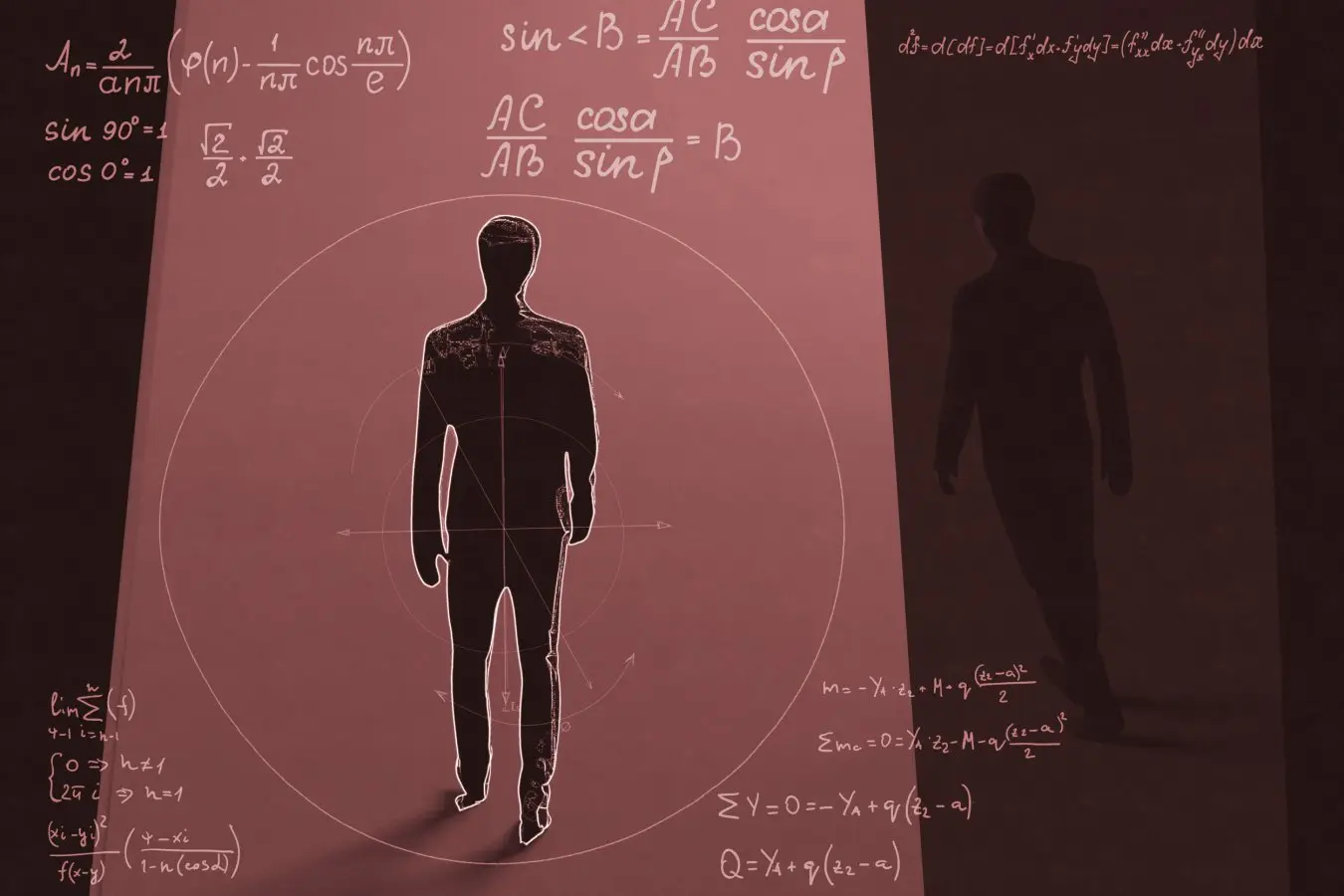
The Looming Obsolescence of Manual Proofs
Artificial intelligence is rapidly reshaping the landscape of mathematics, leaving many experts to question the future of human-led research. Over the past few months, automated tools have begun solving complex problems with unprecedented speed. This shift forces mathematicians to consider whether they can continue their work without integrating these powerful digital assistants.
Breaking news
 Ronna McDaniel Weighs In on GOP's Path Forward
 Market Sentiment Shifts as S&P 500 Snaps Three-Day Losing Streak
 Voters Demand Stronger Congressional Oversight of Presidential Power
 Pelosi Looks Back, Sees Democratic Triumph Ahead
For two decades, the mathematical community has relied on human intuition and rigorous logical deduction. Now, the introduction of machine learning models threatens to render traditional methods obsolete. As these systems demonstrate an ability to navigate abstract proofs, the role of the individual mathematician is undergoing a profound and potentially permanent transformation.
Can Traditional Mathematicians Survive the Digital Shift?
The integration of AI into academic research is not merely a convenience; it is a fundamental disruption. These algorithms can process vast datasets and identify patterns that remain invisible to the human eye. Critics argue that relying on machines might weaken the foundational understanding of mathematical principles.
Conversely, proponents suggest that AI acts as a sophisticated partner rather than a replacement. By automating tedious calculations, researchers can focus on higher-level conceptual frameworks. However, the pressure to adopt these tools is mounting, as those who ignore them risk falling behind in a highly competitive academic environment.
The central dilemma involves the loss of human agency in the creative process of discovery. If a machine produces a result without a clear path of As the technology evolves, the distinction between human expertise and machine output will likely blur further. The field must soon decide how to balance technological efficiency with the intellectual rigor that defines mathematics. Ultimately, the survival of the discipline may depend on how effectively humans can collaborate with the very tools that threaten to surpass them.
Frequently Asked Questions
Can AI truly replace the creative intuition of a human mathematician? While AI excels at pattern recognition and calculation, it currently lacks the nuanced conceptual understanding required for original mathematical breakthroughs.
Is it possible for researchers to reject AI tools entirely? While theoretically possible, avoiding AI may result in a significant disadvantage. The speed and efficiency offered by these tools have become essential for keeping pace with modern research standards.