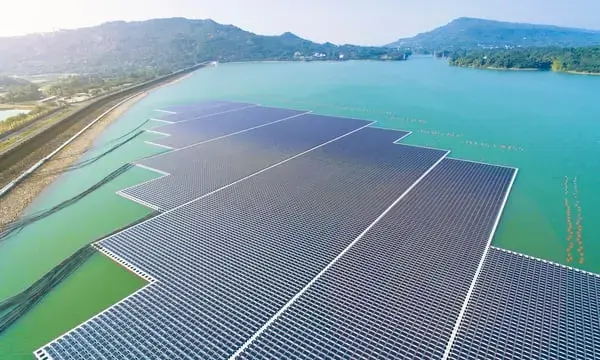
Energy Security at a Crossroads
Taiwan is caught between the US and China's competing visions for energy dominance. The island's energy security is crucial due to its geopolitical position. Taiwan relies heavily on imports to meet its energy needs. Its strategic goal is to have affordable and reliable energy.
Breaking news
 Deadly Glacier and Rock Collapse in Nepal Linked to Climate Warming
 US Congress Passes Sweeping Sanctions Against Russia
 Speaker Johnson Ends House Session Early to Halt Impeachment Effort
 The High-Stakes Fight for Senate Majority Control
Most countries aim for energy systems that are not only affordable but also secure from disruption. For Taiwan, this is particularly challenging due to its complex relationship with China and its alliance with the US. The US and China have different approaches to energy dominance, with the US promoting a diversified energy mix and China focusing on investing in renewable energy and securing energy resources globally.
Can Taiwan Maintain its Energy Independence?
Taiwan's energy mix is diverse, with a significant portion coming from coal, natural gas, and nuclear power. However, its reliance on imports makes it vulnerable to supply disruptions. China is Taiwan's largest trading partner, and the US is a significant security ally. Taiwan must balance its energy needs with its geopolitical relationships.
Taiwan has been working to increase its energy efficiency and diversify its energy sources. It has set targets to reduce its greenhouse gas emissions and increase the share of renewable energy in its energy mix. However, the pace of transition is slow due to infrastructure and economic constraints.
Frequently Asked Questions
The US and China are both vying for influence in Taiwan's energy sector. The US has been promoting its energy technologies and security cooperation with Taiwan, while China has been investing in Taiwan's renewable energy projects. Taiwan must navigate these competing interests while ensuring its energy security.
The consequences of Taiwan's energy choices will be significant. If it fails to balance its energy needs with its geopolitical relationships, it risks being held hostage by external factors. Taiwan's energy future will depend on its ability to diversify its energy sources, increase energy efficiency, and maintain its independence in the face of competing external pressures.