The Erosion of Strategic Cooperation
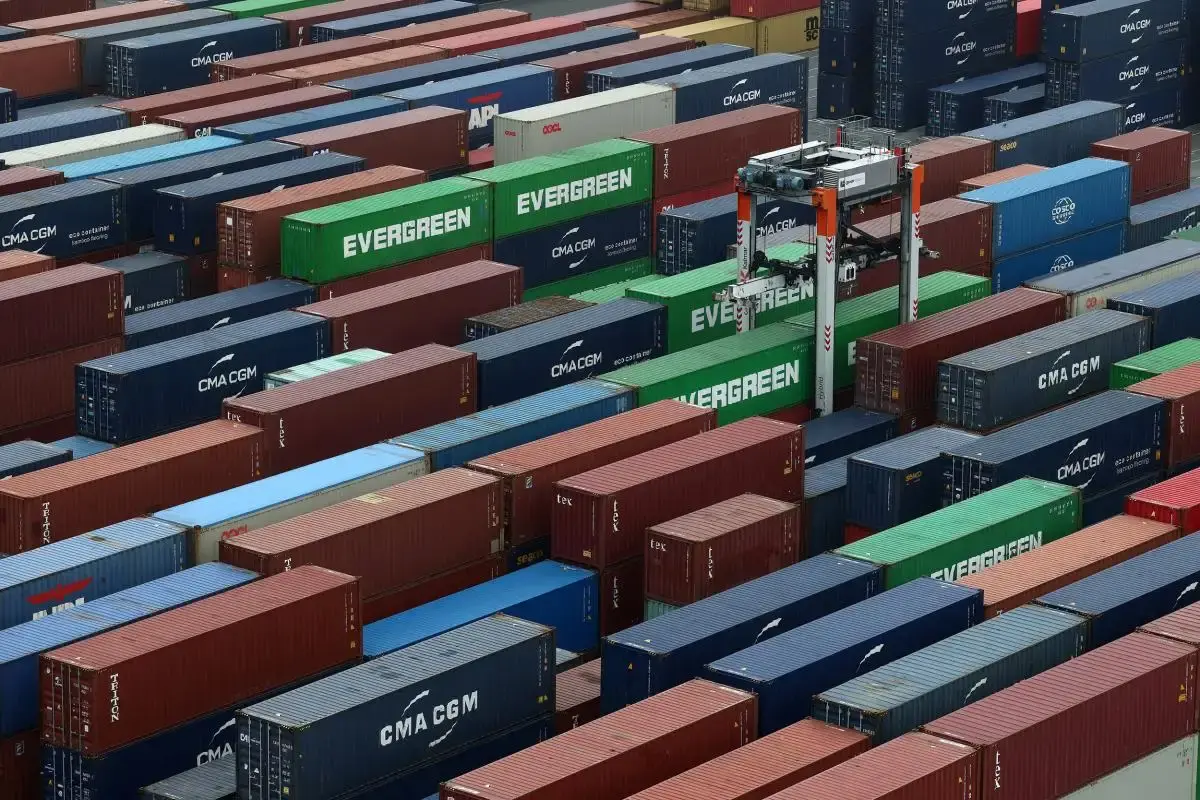
Tensions between the European Union and China are reaching a critical breaking point this July 2026. As shipping activity continues at major ports like Le Havre, both economic powers find themselves on a collision course. Experts suggest that a significant trade war has become nearly inevitable due to intensifying structural disagreements.
Breaking news
 Deadly Glacier and Rock Collapse in Nepal Linked to Climate Warming
 US Congress Passes Sweeping Sanctions Against Russia
 Speaker Johnson Ends House Session Early to Halt Impeachment Effort
 The High-Stakes Fight for Senate Majority Control
The friction stems from long-standing disputes over industrial subsidies, market access, and strategic competition. European policymakers are increasingly concerned about the influx of low-cost Chinese goods. Meanwhile, Beijing views European protectionist measures as an unfair attempt to stifle its technological growth and industrial dominance.
For years, Brussels attempted to balance its economic interests with security concerns. This delicate approach is now failing as geopolitical realities shift. European leaders are under pressure to protect domestic industries from what they describe as state-backed dumping.
Can Diplomatic Channels Prevent a Total Meltdown?
China remains steadfast in its economic policies, dismissing European grievances as politically motivated. The lack of a diplomatic middle ground has left both sides preparing for retaliatory tariffs. This shift signals a departure from previous eras of open trade and mutual reliance.
The outlook for a peaceful resolution remains grim. Both parties appear locked into domestic political cycles that prioritize national interests over global stability. If negotiations fail to yield results, the global supply chain faces severe disruptions.
Frequently Asked Questions
Consumers and businesses should prepare for higher prices and restricted access to key components. The coming months will likely see a cascade of trade barriers that could permanently reshape the relationship between these two massive markets.
What is the primary cause of the current tension? The conflict is driven by disputes over state subsidies and the protection of domestic industries. Both sides accuse the other of engaging in unfair trade practices that distort the global market.
Will this trade war affect everyday consumers? Yes, the implementation of tariffs typically leads to increased costs for imported goods. Consumers may see higher prices on electronics, vehicles, and other essential products manufactured in these regions.