Why Snowfall Matters More Than Temperature Alone
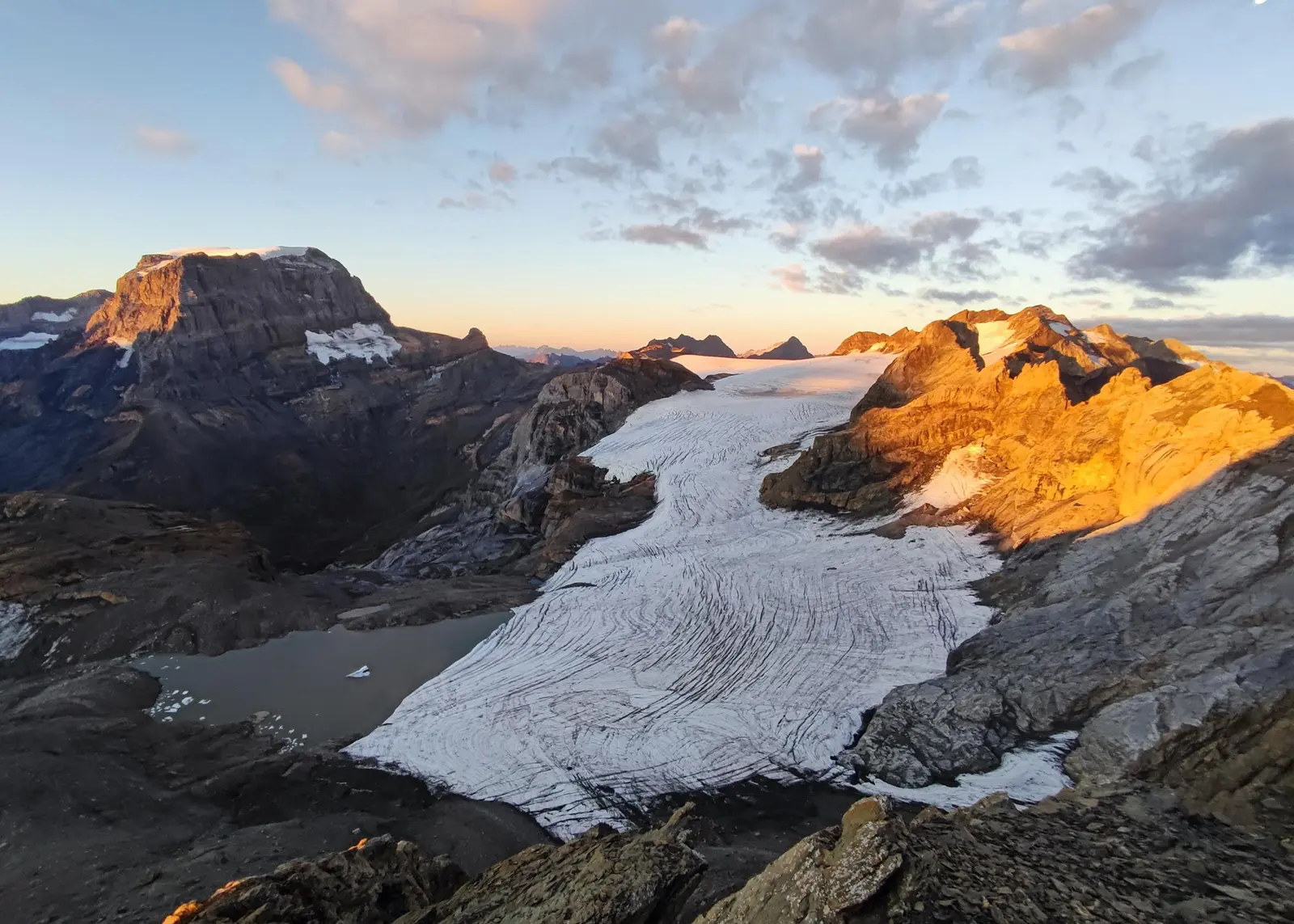
BERN, Switzerland — Swiss glaciers experienced unprecedented ice loss in 2024, with more than five percent of their total volume disappearing within just one year, according to data released by the Swiss Academy of Natural Sciences. This marks another consecutive year of record decline, accelerating a long-term trend driven by rising temperatures. The findings were published on September 30, 2024, highlighting the rapid transformation of alpine landscapes.
Breaking news
 Ronna McDaniel Weighs In on GOP's Path Forward
 Market Sentiment Shifts as S&P 500 Snaps Three-Day Losing Streak
 Voters Demand Stronger Congressional Oversight of Presidential Power
 Pelosi Looks Back, Sees Democratic Triumph Ahead
The scale of ice loss has exposed bedrock in areas previously buried under centuries of snow and ice, particularly in the eastern and central Alps. Scientists attribute the extreme melt to a combination of low winter snowfall and intense summer heatwaves, which prevented glaciers from replenishing their mass. Measurements from over 20 glaciers across the country show consistent thinning, with some losing several meters of ice thickness in a single season.
Can Glaciers Recover Without Immediate Action?
While summer heat plays a role, researchers emphasize that insufficient winter snowfall is equally critical in determining glacier health. Snow acts as a protective layer, reflecting sunlight and insulating ice from melt. In 2024, many regions received less than half their typical snow accumulation, leaving glaciers vulnerable early in the melt season. This lack of replenishment meant that even moderate summer temperatures led to disproportionate losses.
Glaciologists warn that without significant reductions in greenhouse gas emissions, recovery is unlikely. Even if temperatures stabilize, the current trajectory suggests many smaller glaciers could vanish within decades. Larger ice masses may persist but at greatly reduced size, altering water runoff patterns that affect rivers, hydropower, and ecosystems downstream. The loss also impacts tourism and cultural heritage tied to the alpine environment.
How much ice have Swiss glaciers lost since the 1930s? Swiss glaciers have lost over 60 percent of their volume since the 1930s, with the pace of loss increasing sharply since the 1980s due to climate change.
Frequently Asked Questions
Are all Swiss glaciers retreating at the same rate? No, glaciers in lower elevations and southern exposures are melting faster, while some high-altitude, north-facing glaciers are losing ice more slowly but still declining.
What does exposed rock indicate about glacier health? Exposed rock signals that ice has thinned to the point where the underlying bedrock is no longer covered, reflecting long-term imbalance between snow accumulation and melt.