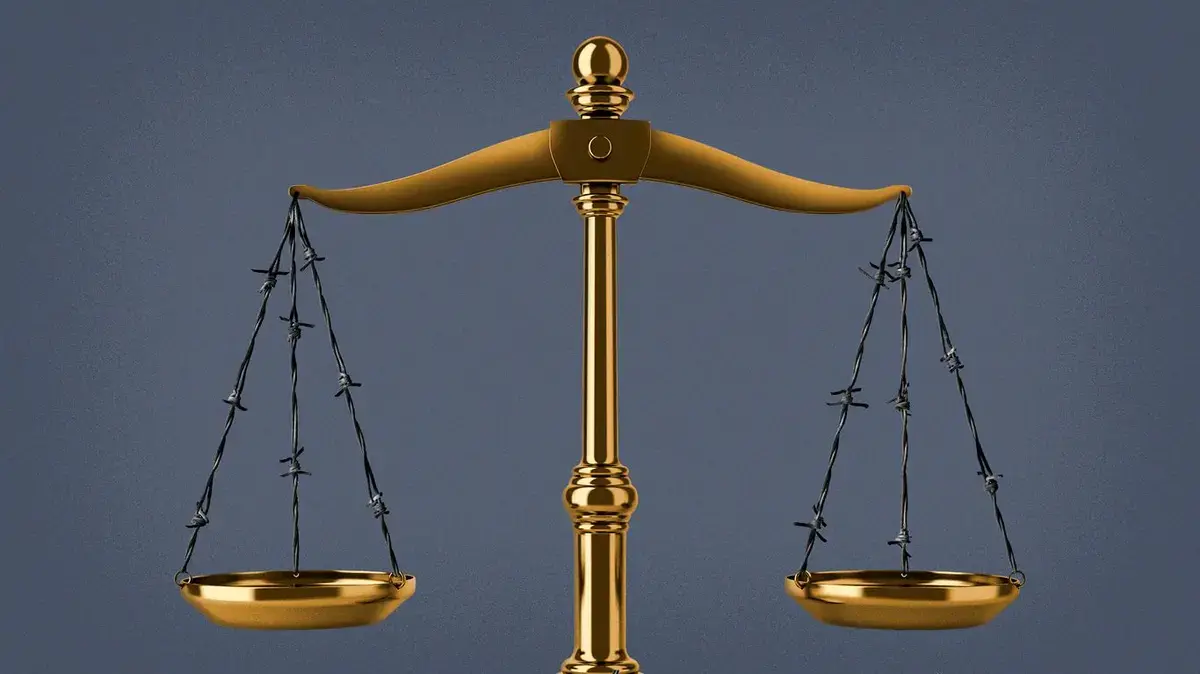
Legal Protections Come to an End
The legal status of hundreds of thousands of Haitian and Syrian immigrants in the United States faces renewed uncertainty. This follows a recent Supreme Court decision. The ruling effectively ended their temporary protected status (TPS) protections.
Breaking news
 Deadly Glacier and Rock Collapse in Nepal Linked to Climate Warming
 US Congress Passes Sweeping Sanctions Against Russia
 Speaker Johnson Ends House Session Early to Halt Impeachment Effort
 The High-Stakes Fight for Senate Majority Control
This decision impacts many individuals who have lived and worked in the U. S. for years. They now confront an unclear future regarding their ability to remain in the country. The court's action has drawn significant attention.
The Supreme Court's refusal to hear an appeal left lower court rulings in place. These rulings had previously terminated TPS designations for several countries. This includes Haiti and Syria. Many individuals from these nations had been granted TPS due to unsafe conditions in their home countries.
What Does This Mean for Affected Individuals?
The program offers a temporary reprieve from deportation. It also allows recipients to work legally. The recent decision has sparked fear and anxiety among these communities. Advocates argue that returning to their home countries would be dangerous.
For those with TPS from Haiti and Syria, the path forward is now less clear. Their protected status has officially expired. This could lead to potential deportation proceedings. Many have established lives, families, and careers in the U. S.
The ruling does not immediately deport individuals. However, it removes their primary legal protection. This forces them to seek other immigration avenues. These options are often complex and difficult to obtain.
The decision highlights ongoing debates about immigration policy. It also underscores the challenges faced by those seeking refuge. The impact will be felt across numerous communities nationwide.
Frequently Asked Questions
What is Temporary Protected Status (TPS)? TPS is a temporary immigration status granted to nationals of certain countries. This happens when conditions in their home country make it unsafe for them to return. These conditions can include armed conflict, natural disasters, or other extraordinary circumstances.
Which groups are most affected by this ruling? This specific ruling primarily affects individuals from Haiti and Syria who held TPS. The Supreme Court's decision not to intervene means their TPS protections have now ended, leaving their legal status uncertain.
What are the next steps for those whose TPS has ended? Individuals whose TPS has ended may need to explore other immigration options. These could include applying for asylum, family-based visas, or other forms of relief. The process can be lengthy and challenging, often requiring legal assistance.