A Constitutional Conundrum
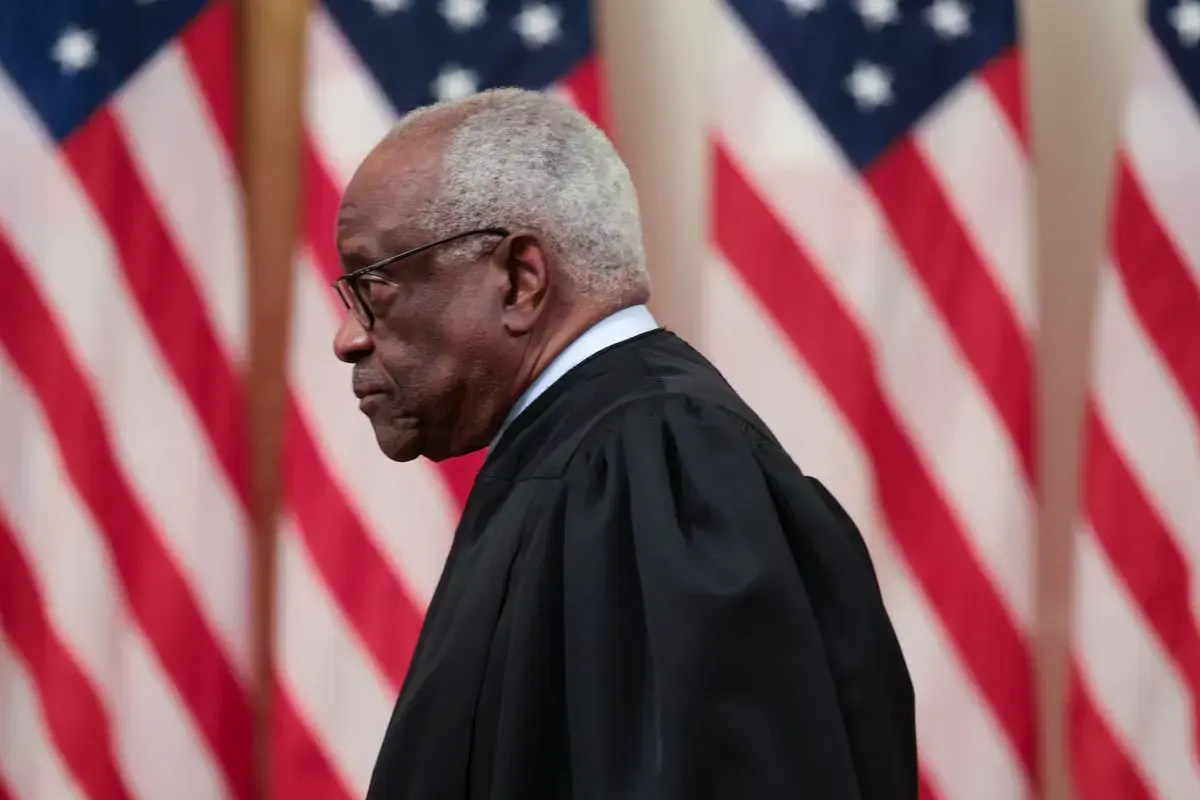
The US Supreme Court made a landmark decision, sparking debate over birthright citizenship. Justice Clarence Thomas defended the ruling, while Justice Ketanji Brown Jackson criticized it. The controversy unfolded on June 30, 2026, as the court's conservatives clashed with its liberals.
Breaking news
 Deadly Glacier and Rock Collapse in Nepal Linked to Climate Warming
 US Congress Passes Sweeping Sanctions Against Russia
 Speaker Johnson Ends House Session Early to Halt Impeachment Effort
 The High-Stakes Fight for Senate Majority Control
The court's decision centered on the 14th Amendment, which guarantees citizenship to individuals born in the US. Conservatives argued that the amendment does not apply to children of non-citizens. Justice Thomas claimed the ruling did not devalue US citizenship, but Justice Jackson disagreed.
Is Citizenship Being Rewritten?
Justice Thomas said the decision did not undermine citizenship, but rather clarified its meaning. Justice Jackson countered that the conservatives' interpretation was myopicand ignored the amendment's broader context. She argued that the ruling could have far-reaching consequences for American citizenship.
The court's liberals pointed out that the 14th Amendment was enacted to ensure citizenship for former slaves and their children. They argued that the conservatives' narrow reading of the amendment ignored its historical context. Justice Jackson noted that the ruling could lead to a re-evaluation of citizenship laws.
The decision has raised questions about the future of birthright citizenship in the US. Critics argue that the ruling could lead to a more restrictive definition of citizenship. Supporters claim it will help clarify the law.
Frequently Asked Questions
The ruling's consequences will be closely watched in the coming months. As the debate unfolds, lawmakers and citizens will be watching to see how the decision is implemented.
What is birthright citizenship? Birthright citizenship is the principle that individuals born in the US are automatically citizens. Does the ruling apply to all non-citizens? The ruling specifically addresses children of non-citizens born in the US. What are the potential consequences of the decision? The decision could lead to changes in citizenship laws and a re-evaluation of who is considered a US citizen.