In France and Germany, student unions have presented detailed reform plans to
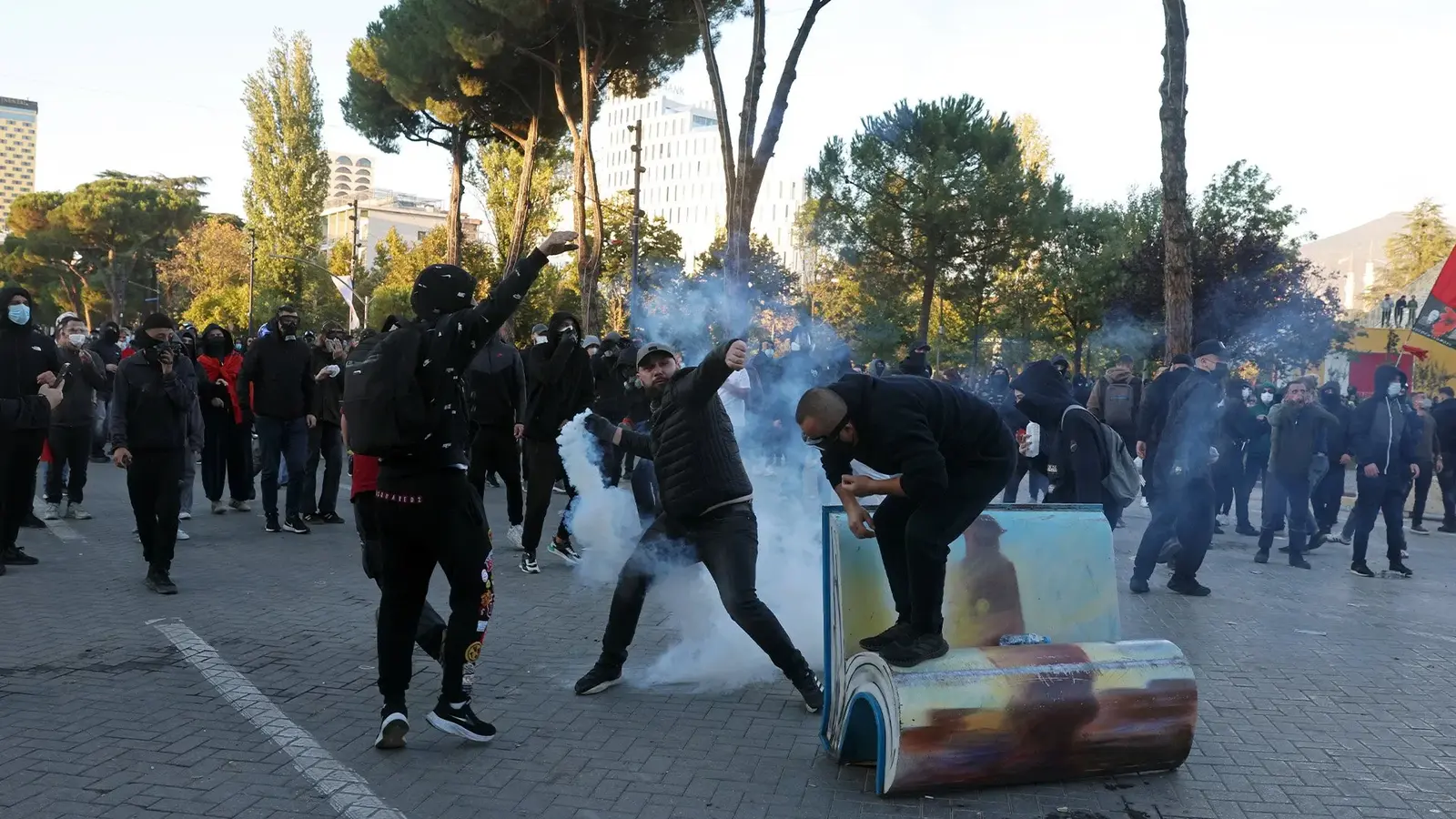
Student protests have erupted across multiple European nations, with demonstrators demanding urgent reforms to education systems they say are failing to meet their needs. From city squares to university campuses, thousands of young people have taken to the streets in recent weeks, calling for increased funding, smaller class sizes, and greater student involvement in policy decisions. The unrest reflects growing frustration over perceived neglect of public education amid rising living costs and economic uncertainty. The demonstrations began in response to government budget proposals that would reduce spending on schools and universities while increasing tuition fees in some regions. Students argue that these measures deepen inequality and undermine access to quality learning, particularly for those from disadvantaged backgrounds.
Breaking news
 Montenegro, Albania Seek NATO Help to Counter Russian Disinformation
 Ronna McDaniel Weighs In on GOP's Path Forward
 Market Sentiment Shifts as S&P 500 Snaps Three-Day Losing Streak
 Voters Demand Stronger Congressional Oversight of Presidential Power
In several countries, protests have turned confrontational, with reports of clashes between demonstrators and law enforcement, though organizers maintain their actions are peaceful and driven by legitimate concerns about the future of education. What specific changes are students demanding beyond funding increases? Beyond financial investment, student groups are calling for curricula that better reflect contemporary social issues, including climate change, digital literacy, and mental health awareness. They also demand stronger representation in university governance and school boards, insisting that policies affecting their education should include direct input from those most impacted.
In France and Germany, student unions have presented detailed reform plans to education ministers, proposing mandatory student feedback mechanisms in course design and expanded access to vocational training pathways. How are governments responding to the growing pressure from student movements? Government responses have varied, with some officials agreeing to enter dialogue while others have dismissed the protests as disruptive and unjustified. In Spain and Italy, education authorities have pledged to review funding allocations and establish student advisory panels, though activists say these gestures lack concrete timelines or binding commitments. Meanwhile, in Eastern Europe, authorities have restricted protest permits in certain cities, citing public order concerns, which students argue only fuels their determination to be heard. Analysts warn that prolonged unrest could destabilize academic calendars and erode public trust in institutions if meaningful concessions are not made. Frequently Asked Questions What triggered the recent wave of student protests across Europe?
Are the student demonstrations mostly peaceful or violent?
The protests were triggered by government proposals to cut education budgets and raise tuition fees, which students argue threaten access to quality education and deepen social inequality.
Are the student demonstrations mostly peaceful or violent? While organizers emphasize the peaceful nature of their actions, some protests have seen clashes with law enforcement, particularly when demonstrations were met with restrictions or forceful dispersal tactics.
What long-term changes do students hope to achieve through these movements? Students aim to secure lasting reforms including increased public education funding, greater student participation in decision-making, and updated curricula that address modern societal challenges like technology and mental health.