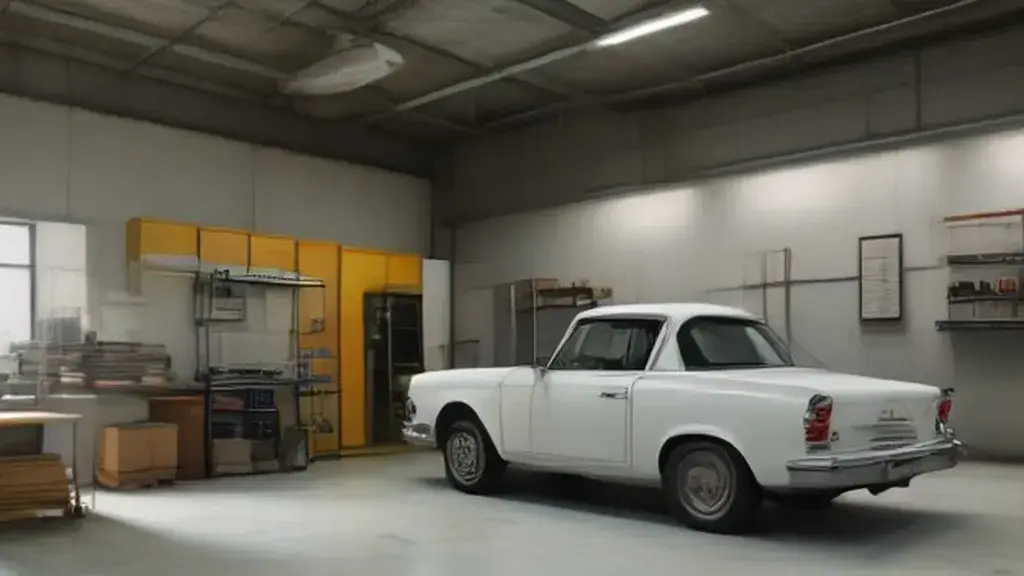
Streamlining the Claim Filing Process
A new specialized center in Bucharest has launched a streamlined service designed to simplify the complex process of managing auto insurance claims in Romania. The facility focuses on rapid damage assessment and repair under mandatory third-party liability policies, aiming to reduce the typical delays associated with bureaucratic procedures.
Breaking news
 Montenegro, Albania Seek NATO Help to Counter Russian Disinformation
 Ronna McDaniel Weighs In on GOP's Path Forward
 Market Sentiment Shifts as S&P 500 Snaps Three-Day Losing Streak
 Voters Demand Stronger Congressional Oversight of Presidential Power
The initiative targets drivers in the Bucharest and Ilfov regions who hold standard liability policies. By centralizing the handling of damage files, the center seeks to eliminate the friction between insured individuals and various insurance companies. This approach promises a more transparent and efficient path from accident reporting to final vehicle repair.
Traditional auto insurance claims in the region often involve significant administrative overhead. Drivers frequently face multiple appointments, document exchanges, and prolonged waiting periods before repairs can begin.
This new model consolidates these steps into a single point of contact, significantly reducing the time required to initiate the repair phase.
At the core of this service is the facilitation of the deschidere dosar daună, or opening of the damage file. By managing the initial documentation directly, the center removes the need for drivers to navigate complex insurer requirements independently. This allows for a faster transition from the accident scene to the workshop floor.
The center operates by coordinating directly with partner insurance providers. This network ensures that claims are processed according to specific policy terms without requiring the driver to act as an intermediary. The result is a standardized workflow that prioritizes speed and accuracy in damage verification and cost estimation.
Beyond administrative efficiency, the service introduces practical support measures for vehicle owners during the repair period.
Enhancing Driver Convenience During Repairs
A key differentiator is the provision of a free replacement vehicle while the customer’s car is in the workshop. This feature addresses a common pain point for commuters who rely on their vehicles for daily travel and work commutes.
Additionally, the center offers complimentary towing services in the event of an accident. This eliminates an immediate financial burden and logistical hurdle for drivers stranded after a collision. By bundling these services, the facility aims to create a seamless experience from the moment of impact to the return of the repaired vehicle.
The repair capabilities include comprehensive mechanical adjustments, sheet metal work, and professional painting. These services cover a wide range of damage types, from minor cosmetic issues to structural repairs. The integration of these disciplines under one roof ensures quality control and consistent finishing standards throughout the restoration process.
This model reflects a broader trend in the automotive service industry toward customer-centric solutions.
As digital tools and centralized management systems become more prevalent, traditional barriers to entry for insurance claims are being dismantled. For drivers in the capital region, this represents a shift from a fragmented experience to a unified, supported process.
The implications extend beyond individual convenience. Faster claim resolution times can improve cash flow for insurers and workshops alike. Reduced administrative bottlenecks may also lead to lower overall costs for the ecosystem. As more centers adopt similar models, the standard for post-accident support in urban areas is likely to rise.
For now, this specialized center sets a new benchmark for service delivery in the Bucharest area. It demonstrates that efficiency and customer care can coexist within the rigid framework of mandatory insurance regulations. The focus remains on delivering tangible benefits to drivers while maintaining strict adherence to legal and technical standards.