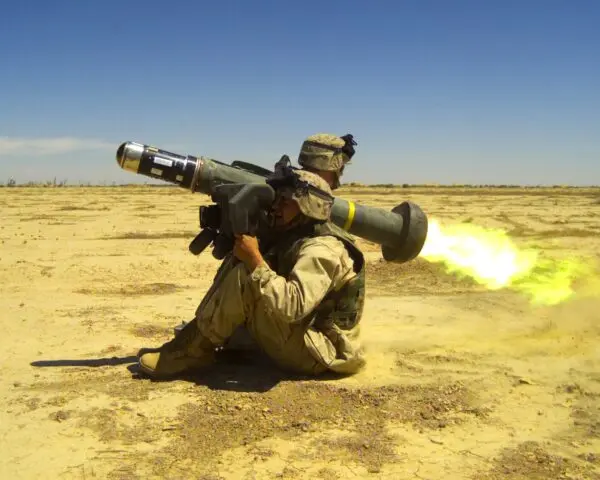
Why Has the Javelin Deal Stalled for Over a Decade?
India’s attempt to acquire U. S.-made Javelin anti-tank missiles has become one of the longest-running defense procurement efforts between the two nations. First initiated years ago, the deal remains unresolved despite repeated discussions and renewed interest from both sides. The prolonged timeline highlights systemic challenges in India’s defense acquisition process, even for systems deemed critical for modernizing its infantry capabilities.
Breaking news
 Montenegro, Albania Seek NATO Help to Counter Russian Disinformation
 Ronna McDaniel Weighs In on GOP's Path Forward
 Market Sentiment Shifts as S&P 500 Snaps Three-Day Losing Streak
 Voters Demand Stronger Congressional Oversight of Presidential Power
The Javelin missile, known for its fire-and-forget capability and effectiveness against armored targets, has been under consideration by India since the early 2010s. Multiple rounds of negotiations, technical evaluations, and offset discussions have taken place, yet no final contract has been signed. Delays have stemmed from shifting defense priorities, bureaucratic hurdles, and India’s insistence on technology transfer and local production under its Make in India initiative. Despite the missile’s proven combat record in various conflicts, India has opted to explore alternatives or delay decisions amid evolving geopolitical pressures.
What Alternatives Is India Considering Amid the Delay?
The core issue lies not in the missile’s performance but in India’s complex procurement framework. Each phase—from initial expression of interest to trials, negotiations, and approvals—has been prolonged by inter-ministerial coordination, changing operational requirements, and periodic reviews. Additionally, the U. S. has at times hesitated to share critical technology, particularly regarding the missile’s guidance systems and warhead design, which India views as essential for local assembly and sustainment. These mutual concerns have created a cycle of progress followed by setbacks, preventing closure even as infantry units continue to rely on older, less effective anti-tank systems.
As the Javelin deal lingers, India has accelerated evaluations of other anti-tank guided missiles, including indigenous options like the MPATGM and foreign systems from Russia and Israel. Trials of competing platforms have intensified, with the Defence Research and Development Organisation pushing for faster induction of homegrown solutions. However, officials acknowledge that no current alternative matches the Javelin’s combination of range, accuracy, and battlefield readiness. This gap has led some military planners to advocate for a limited interim purchase to meet immediate needs while longer-term solutions mature.
Why is the Javelin missile important for India’s military? The Javelin offers infantry units a reliable, precision-guided ability to neutralize tanks and fortified positions at long range, reducing reliance on bulky or less accurate systems. Its portability and ease of use make it ideal for diverse terrains, from mountainous borders to desert fronts.
Frequently Asked Questions
Has India ever purchased American anti-tank missiles before? No, this would be India’s first major procurement of U. S.-manufactured anti-tank guided missiles. Previous defense cooperation with the U. S. has focused on aircraft, naval systems, and surveillance technology, making this deal a potential milestone in bilateral military ties.
Could the deal still be revived despite the delays? Yes, both governments have expressed continued interest, and recent diplomatic engagements suggest the deal remains on the table. However, any revival would likely require revised terms addressing technology transfer, pricing, and production timelines to satisfy India’s strategic and industrial goals.
