Shifting Alliances and Regional Concerns
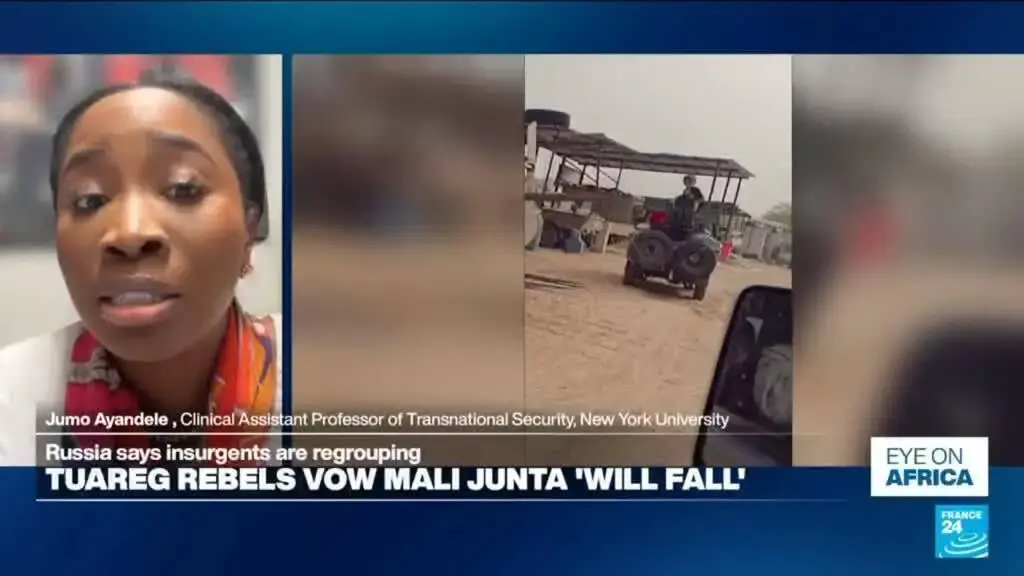
Rebels in Mali are demanding the withdrawal of Russian forces. This follows the recent retreat from Kidal, a strategically important city. The move highlights growing pressure on Russia’s presence. It raises questions about its future role in the West African nation.
Breaking news
 Deadly Glacier and Rock Collapse in Nepal Linked to Climate Warming
 US Congress Passes Sweeping Sanctions Against Russia
 Speaker Johnson Ends House Session Early to Halt Impeachment Effort
 The High-Stakes Fight for Senate Majority Control
The Coordination of Movements of Azawad (CMA), a coalition of predominantly Tuareg rebel groups, formally requested Russia’s departure. They accuse Russian mercenaries, specifically the Wagner Group, of hindering peace efforts. Kidal’s fall to the Malian army, supported by Wagner, marked a turning point. It signaled a shift in the balance of power and intensified rebel opposition.
Mali has faced instability for years, battling Islamist insurgencies and ethnic conflicts. The government, led by President Assimi Goïta, initially welcomed Wagner’s support in 2021. They sought assistance in combating jihadist groups and stabilizing the country. However, this partnership alienated international allies, including France. France had previously been a key security partner for Mali.
Is Russia Losing its Grip in the Sahel?
The CMA’s demand for withdrawal isn’t simply about military presence. They claim Wagner’s actions have exacerbated tensions. They allege the mercenaries have collaborated with the Malian army to target civilian populations. This has fueled resentment and undermined attempts at dialogue. The group insists a political solution, inclusive of all parties, is the only path to lasting peace.
Russia’s involvement in Mali is part of a broader strategy to expand its influence in the Sahel region. It fills a vacuum created by the withdrawal of Western forces. However, the situation in Kidal suggests this strategy isn’t without challenges. The CMA’s unified opposition demonstrates a willingness to fight against both the Malian army and Wagner.
Analysts suggest Russia’s primary goal is securing access to Mali’s natural resources, including gold and uranium. The Wagner Group has been accused of exploiting these resources. This contributes to local grievances and further complicates the conflict. The rebels’ push for withdrawal could significantly impact Russia’s economic interests.
The future of Russia’s involvement in Mali remains uncertain. Continued pressure from rebel groups and international condemnation could force a reassessment of its strategy. A complete withdrawal is unlikely in the short term. However, Russia may need to adjust its approach to maintain a presence. This could involve greater transparency and a commitment to inclusive peace negotiations. The situation will likely continue to evolve, impacting regional stability and security.
Frequently Asked Questions
What is the Wagner Group’s role in Mali? The Wagner Group is a Russian private military company. It provides security assistance and military training to the Malian army. Critics accuse them of human rights abuses and exploiting natural resources.
Why did France withdraw its forces from Mali? France withdrew its troops due to disagreements with the Malian government. These disagreements centered on the government’s collaboration with Wagner. France also cited a lack of progress in fighting Islamist extremism.
What are the CMA’s main demands? The CMA demands the complete withdrawal of Russian forces. They also seek a renewed commitment to political dialogue. They want a solution that addresses the root causes of the conflict and includes all Malian communities.