Escalation of Judicial Dispute
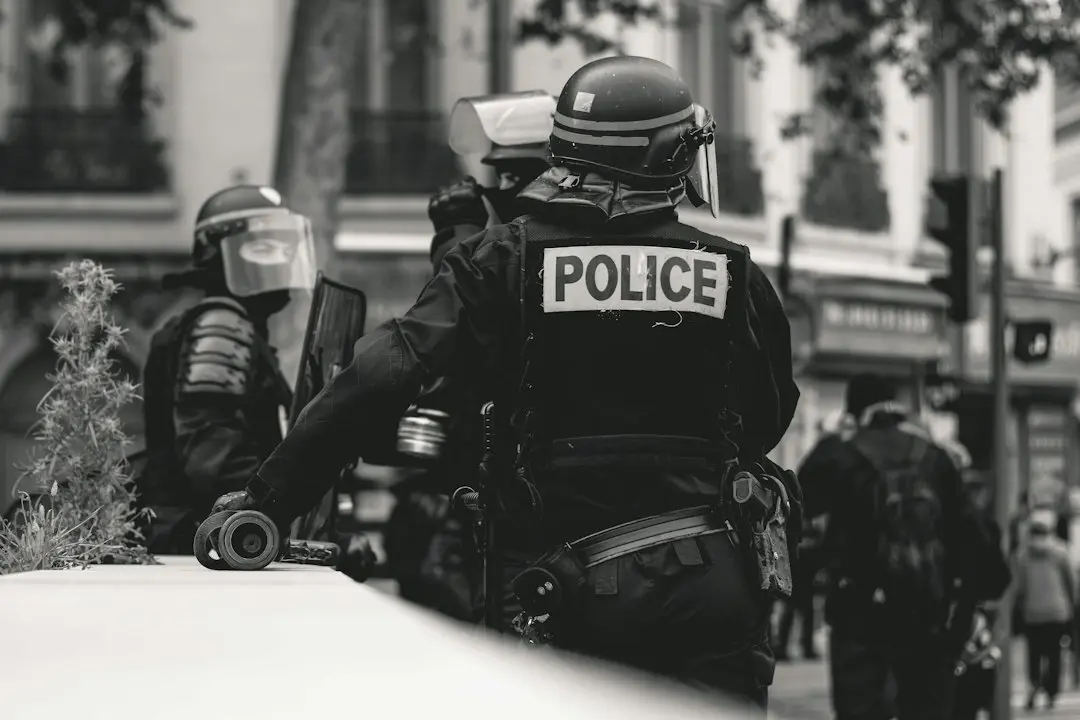
Riot police engaged in a tense standoff with demonstrators outside the Constitutional Court in Warsaw on Friday night. The confrontation erupted immediately after the court’s top judge was suspended. This incident marks a sharp escalation in a decade-long legal dispute regarding the institution's authority. President Karol Nawrocki was seen struggling to enter the building during the chaos. The scene highlighted the deepening political crisis in the country.
Breaking news
 Ronna McDaniel Weighs In on GOP's Path Forward
 Market Sentiment Shifts as S&P 500 Snaps Three-Day Losing Streak
 Voters Demand Stronger Congressional Oversight of Presidential Power
 Pelosi Looks Back, Sees Democratic Triumph Ahead
The violence followed a controversial ruling by a panel of government-appointed judges. They voted to suspend the court’s contested chief justice. This decision intensified existing tensions between the ruling party and opposition groups. Critics argue the move undermines judicial independence. Supporters claim it restores legal order within the state. The standoff outside the court building turned physical as protesters resisted police lines.
The suspension of the chief judge represents a critical turning point in Poland’s constitutional crisis. For years, the government has clashed with the court over its legitimacy. The current administration views many of the court’s previous rulings as invalid. They argue that the court was improperly staffed during a prior government’s tenure. This perspective drives their efforts to restructure the judiciary. The suspension of the top judge is part of this broader strategy. It aims to assert executive control over constitutional matters.
Why Does This Conflict Matter?
Protesters gathered in Warsaw to oppose the judicial changes. They view the suspension as an attack on democratic norms. The crowd grew in size and intensity as night fell. Police deployed riot gear to manage the situation. Tensions remained high throughout the evening. The presence of President Nawrocki added a symbolic weight to the events. His struggle to gain entry underscored the volatile atmosphere surrounding the institution.
This dispute is not merely a legal technicality. It touches on the core principles of Poland’s democracy. The constitutional court holds the power to review laws for compliance with the constitution. Its independence is vital for the rule of law. If the court is perceived as a tool of the government, public trust erodes. International observers have closely monitored these developments. They worry about the erosion of democratic safeguards in the region. The recent standoff demonstrates the real-world consequences of this legal battle.
Frequently Asked Questions
The government insists its actions are necessary to correct past irregularities. They point to previous rulings that they deem unconstitutional. The opposition rejects this narrative entirely. They argue the government is dismantling checks and balances. The situation has drawn significant domestic and international attention. Diplomatic channels have been active in recent weeks. However, no immediate resolution is in sight.
Who was suspended from the Constitutional Court? The court’s chief justice was suspended by a group of judges. These judges were appointed by the current government. The decision triggered immediate protests in Warsaw.
Why did riot police deploy outside the court? Police were deployed to manage a large gathering of protesters. The crowd formed in response to the suspension ruling. Tensions escalated, leading to a physical standoff.