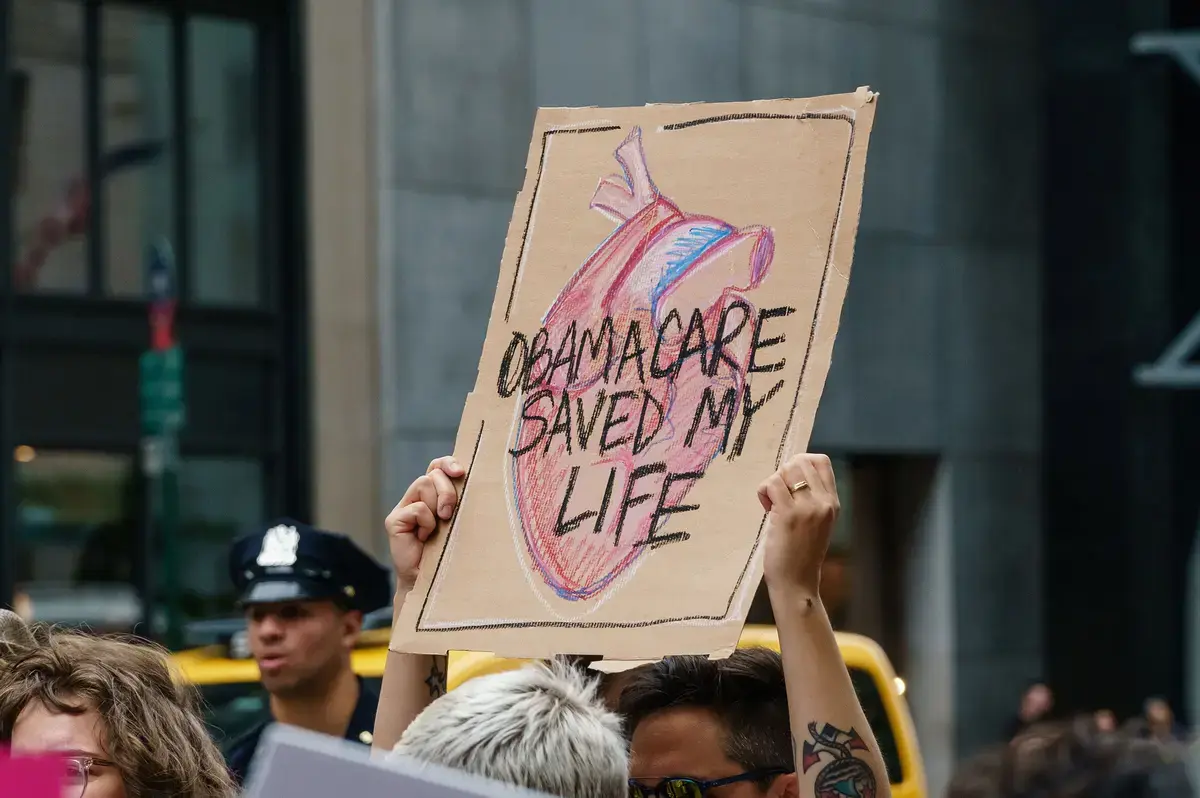
Healthcare Access Under Threat
On July 1, almost 450,000 New York residents lost their health insurance. This is part of a larger trend affecting millions nationwide. Low-income individuals are among those hit hardest. The change occurs as the Big Beautiful Billtakes effect.
Breaking news
 Deadly Glacier and Rock Collapse in Nepal Linked to Climate Warming
 US Congress Passes Sweeping Sanctions Against Russia
 Speaker Johnson Ends House Session Early to Halt Impeachment Effort
 The High-Stakes Fight for Senate Majority Control
The Big Beautiful Bill,a nickname for a significant healthcare policy change, has already started to show its effects. Thousands of New Yorkers with limited financial resources are among the first to feel the impact. The loss of health coverage is attributed to the changes brought about by this policy.
Will Healthcare Inequality Worsen?
Many of those losing coverage are low-income individuals who previously relied on the now-affected healthcare programs. The exact number nationwide is expected to rise over the next year. As a result, concerns about access to medical care are growing.
The policy change has sparked protests and concerns among healthcare advocates. They argue that the loss of coverage will lead to reduced healthcare access for vulnerable populations. Data suggests that millions will be affected, with New York being one of the hardest-hit states.
The loss of health insurance coverage is expected to exacerbate existing healthcare inequalities. Those who are already disadvantaged may find it even harder to access necessary medical care. This could lead to a range of negative health outcomes.
Frequently Asked Questions
As the situation unfolds, the consequences for public health are likely to become more apparent. The impact on individuals, communities, and the healthcare system as a whole will be significant.
Q: Who is losing health coverage on July 1? A: Nearly 450,000 New Yorkers, primarily low-income individuals, lost their health insurance. This is part of a larger national trend.