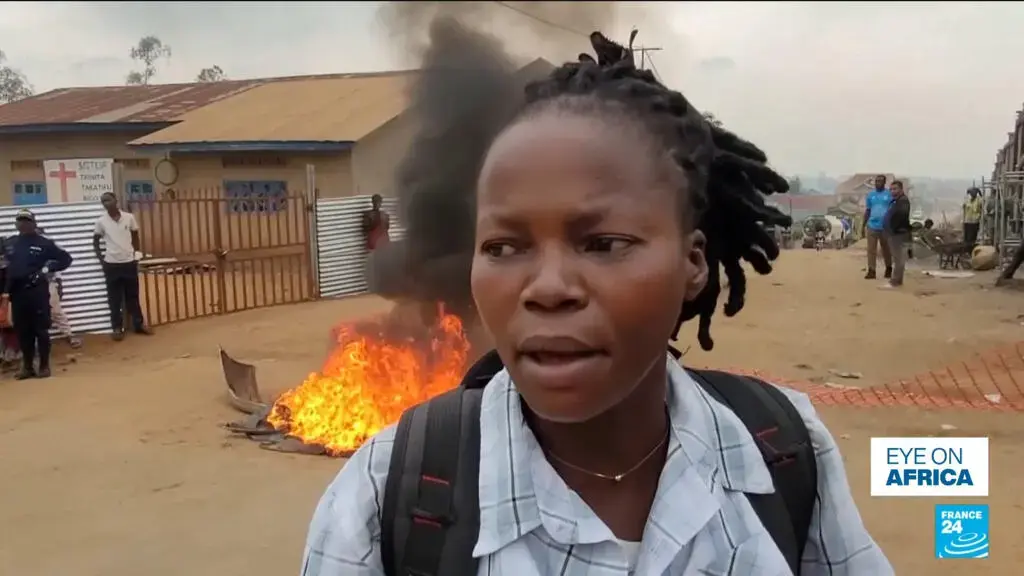
Why Healthcare Workers Are Protesting
Healthcare professionals in the Democratic Republic of Congo have initiated a strike. This action comes as the nation grapples with a spreading Ebola epidemic. The protest highlights severe challenges in controlling the deadly virus.
Breaking news
 Greenpeace Investigates Zaporizhzhia Nuclear Plant Power Lines
 Researcher warns strict age limits needed for children on social media
 Hezbollah defends its arsenal amid Lebanese political deadlock
 Can an AI Chatbot Reduce Maternal Deaths in Kenya?
The strike by medical staff directly impacts efforts to contain the current Ebola outbreak. Their absence from critical roles could worsen the public health emergency. This development raises serious concerns about patient care and disease transmission.
The healthcare workers are striking over various grievances. These include inadequate pay, unsafe working conditions, and a lack of proper equipment. Many feel their personal safety is compromised while battling the highly infectious disease. They are demanding better protection and fair compensation for their dangerous work. Their demands underscore the immense pressures faced by those on the front lines.
How Will the Strike Affect Ebola Containment?
The strike will undoubtedly hinder the fight against Ebola. Essential services like patient isolation, contact tracing, and safe burials could be severely disrupted. This could lead to a faster spread of the virus within communities. Furthermore, public trust in the health response might erode, making future interventions more difficult. The longer the strike continues, the greater the risk to public health.
The ongoing strike could have devastating consequences for the DR Congo. It threatens to undermine all progress made against the Ebola epidemic. Urgent resolution of the workers' demands is critical to prevent a larger humanitarian crisis. International support may be needed to mediate and provide necessary resources.
Frequently Asked Questions
What is the main reason for the strike? Healthcare workers are striking primarily due to concerns over their safety, inadequate pay, and insufficient resources. They feel their lives are at risk while battling the Ebola epidemic without proper support.
How might the strike impact the Ebola outbreak? The strike could severely hamper efforts to control the Ebola outbreak by disrupting essential services like patient care, contact tracing, and vaccination campaigns. This could lead to a more rapid spread of the virus.
What could be the long-term consequences of this strike? The strike could lead to a significant increase in Ebola cases and deaths, further destabilizing the region. It might also damage public trust in health authorities and international aid organizations, making future health crises harder to manage.