The Human Cost of Database Cleaning
New Delhi — A political storm is brewing across India after authorities removed approximately 130 million names from the national voter list. This massive purge represents the largest disenfranchisement effort in the country’s history. The move has left millions of citizens, including marginalized groups, without their right to cast a ballot. The decision has triggered intense debate within the ruling coalition.
Breaking news
 Ronna McDaniel Weighs In on GOP's Path Forward
 Market Sentiment Shifts as S&P 500 Snaps Three-Day Losing Streak
 Voters Demand Stronger Congressional Oversight of Presidential Power
 Pelosi Looks Back, Sees Democratic Triumph Ahead
The removal process targeted individuals whose records showed inconsistencies or duplicates. Officials aimed to clean up the database to ensure accuracy for upcoming elections. However, critics argue that the scale of deletions goes far beyond simple data maintenance. Many residents in urban slums and rural areas found themselves suddenly excluded. For these voters, the act of voting was often their only formal connection to the state.
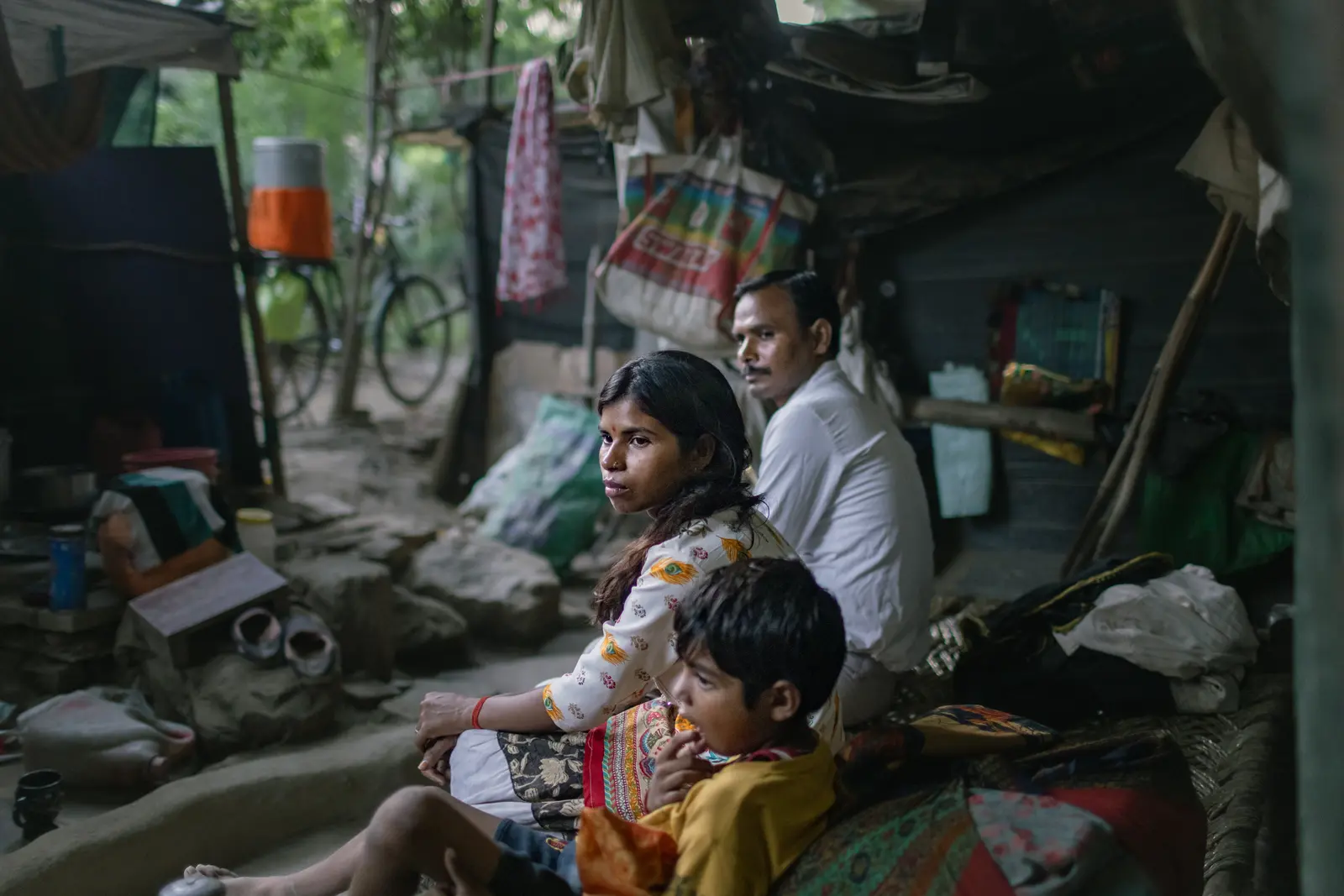
Kanchan, a resident living under a flyover in New Delhi, exemplifies this struggle. She resides in a makeshift home constructed from tin sheets and tarps. Despite her precarious living conditions, she held her voter status with pride. For people like her, the vote served as a rare equalizer in a society marked by deep inequality. Now, that sense of civic belonging has been shaken. The loss of her name from the rolls feels like a personal rejection.
Does This Purge Signal a Broader Political Strategy?
Supporters of the change point to the need for a streamlined electoral system. They claim that duplicate entries had inflated previous voter counts. By removing these redundancies, the government seeks to strengthen the integrity of future polls. Data analysts note that the cleanup involved cross-referencing multiple databases. This technical approach aimed to identify individuals who appeared multiple times or had passed away.
Political opponents view the timing of the deletions as suspicious. They suggest the move may weaken opposition strongholds in specific districts. By reducing the number of registered voters, the ruling party could potentially influence election outcomes. Critics demand transparency regarding the criteria used for exclusion. They want clear guidelines on how citizens can appeal their removal. Without this, the process remains opaque and difficult to challenge.
Frequently Asked Questions
The central election commission faces mounting pressure to explain its actions. Public trust in the electoral machinery is currently fragile. Many citizens feel confused about their legal standing. Are they still eligible to vote if their names disappear from local lists? Clarification is urgently needed to prevent chaos on polling day. Legal experts warn that ambiguous rules could lead to widespread disputes.
How many people were affected by the voter list changes? Approximately 130 million names were deleted from the official voter rolls. This figure represents a significant portion of the total electorate. The scale marks it as the largest such action in Indian history.
Why did the government remove so many names at once? Officials cited the need to eliminate duplicate and outdated records. The goal was to create a cleaner and more accurate database. However, critics argue the pace and scope were too aggressive for a routine update.