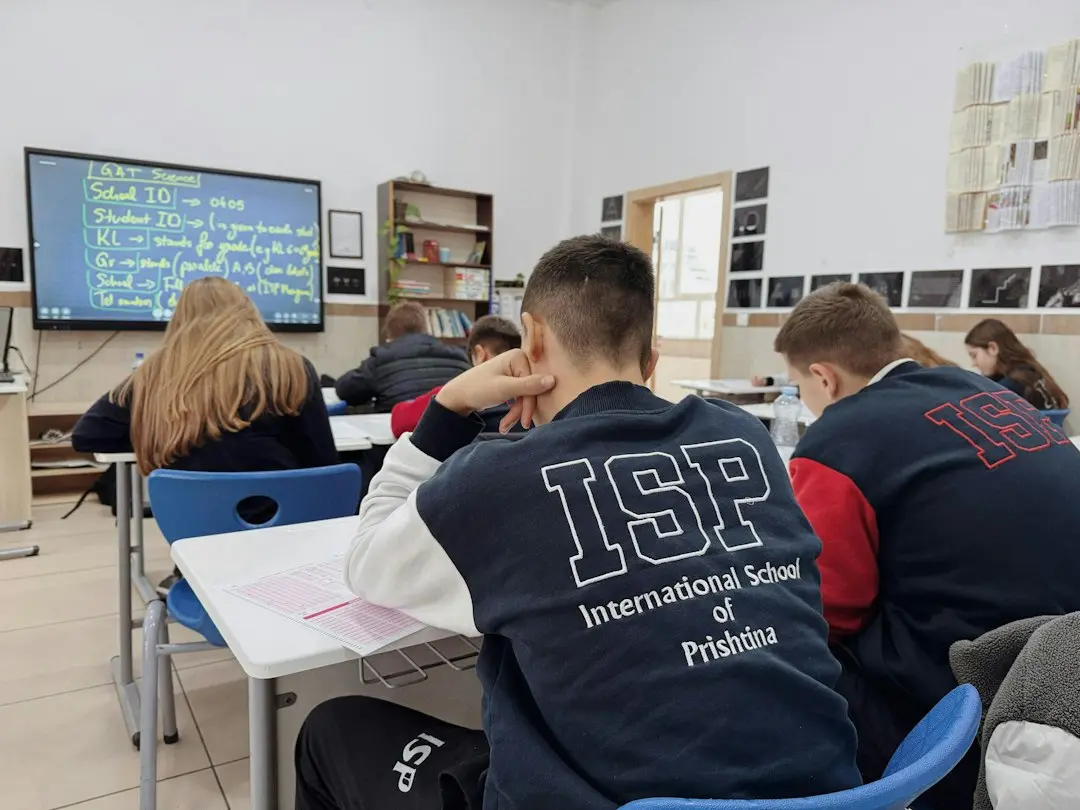
From Protest Streets to Parliament
The Student List has won Serbia's parliamentary election, securing a decisive mandate after months of sustained student protests. The result marks a dramatic shift in the country's political landscape. Voters rejected the long-standing dominance of Prime Minister Aleksandar Vučić, signaling a clear demand for change.
Breaking news
 Ronna McDaniel Weighs In on GOP's Path Forward
 Market Sentiment Shifts as S&P 500 Snaps Three-Day Losing Streak
 Voters Demand Stronger Congressional Oversight of Presidential Power
 Pelosi Looks Back, Sees Democratic Triumph Ahead
This election was widely viewed as a referendum on Vučić's political grip and the system he has maintained for over a decade. The Student List emerged directly from the protest movement, translating street energy into legislative power.
What Does This Mean for Serbia's Future?
The movement began with students taking to the streets to challenge the government. Their grievances centered on political stagnation and lack of transparency. The Student List capitalized on this momentum, fielding candidates who had led the demonstrations. Vučić publicly acknowledged the defeat, a rare display of political grace in a tightly controlled system.
The new parliament will likely push for institutional reforms and greater accountability. Opposition figures expect a reset of political norms. However, Vučić's party retains significant influence, and the transition may face friction.
Who won the Serbian election? The Student List won the parliamentary election. It emerged from student protests and defeated the ruling party.
Frequently Asked Questions
Did Vučić accept the result? Yes, Vučić publicly recognized his party's defeat. This acknowledgment was notable given his long tenure.
What comes next for Serbia? The new government will focus on reforming institutions and addressing the issues that sparked the protests. The political landscape is now in flux.