From Pioneer
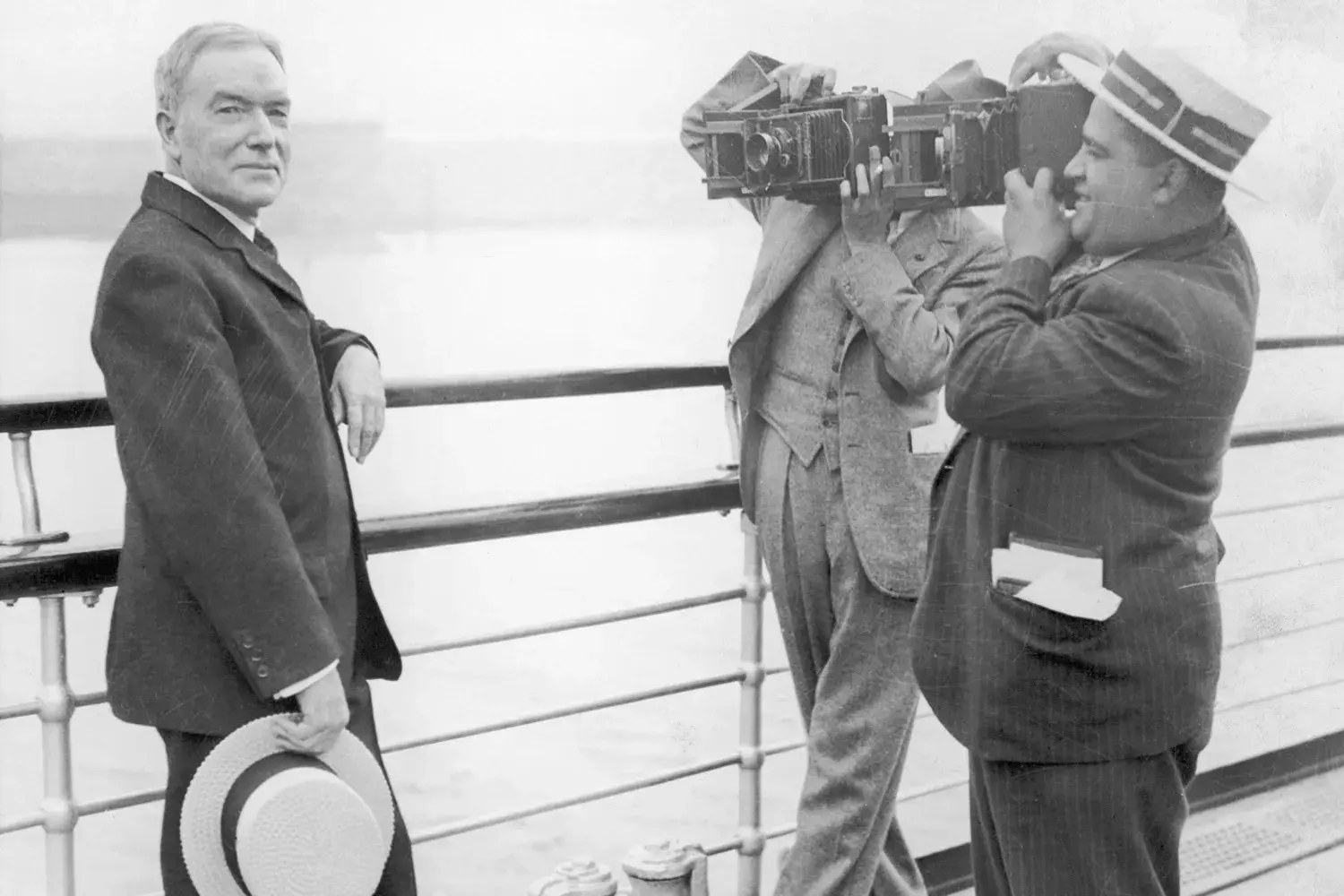
John D. Rockefeller, the 19th‑century oil magnate, built Standard Oil into a global monopoly. By the late 1800s he controlled most of the United States’ petroleum industry. His name became synonymous with wealth and controversy.
Breaking news
 Ronna McDaniel Weighs In on GOP's Path Forward
 Market Sentiment Shifts as S&P 500 Snaps Three-Day Losing Streak
 Voters Demand Stronger Congressional Oversight of Presidential Power
 Pelosi Looks Back, Sees Democratic Triumph Ahead
Rockefeller’s success was built on aggressive pricing, secret rebates, and relentless efficiency. He was hailed as an industrial pioneer, but his tactics sparked public outrage and legal challenges. The Sherman Antitrust Act eventually broke up Standard Oil in 1911.
In the early years, Rockefeller was celebrated for turning raw oil into a national commodity. He introduced new refining techniques and expanded rail connections, boosting production and lowering prices. The public admired his vision and the economic growth he spurred.
However, his dominance grew through unfair practices. He negotiated rebates with railroads that gave his company a decisive edge. Competitors were forced out of business, and many small producers were driven to bankruptcy.
Public sentiment shifted sharply against him.
What Modern CEOs Can Learn?
The federal government intervened. In 1911, the Supreme Court ruled that Standard Oil violated antitrust laws. The company was broken into 34 independent firms. Rockefeller lost most of his fortune, but his name remained a cautionary symbol.
Today’s leaders face similar scrutiny. Rapid growth must be balanced with ethical practices. The tech giants of the 21st century have been accused of monopolistic behavior, echoing Rockefeller’s era.
Regulators now enforce stricter antitrust rules. Companies must disclose pricing strategies and avoid exclusive deals that stifle competition. Transparency builds consumer trust and reduces the risk of legal action.
Corporate responsibility also matters. Social and environmental concerns are increasingly part of public perception.
Businesses that ignore these issues risk backlash, just as Rockefeller’s disregard for fair competition led to his downfall.
In a world of global supply chains, a single company’s actions can ripple worldwide. Leaders must anticipate how their strategies will be viewed by regulators, shareholders, and the public.
Frequently Asked Questions
Rockefeller’s story reminds today’s executives that unchecked power can erode public trust. Modern regulators and consumers demand transparency and fairness. The legacy of Standard Oil shapes antitrust debates and corporate governance standards, ensuring that ambition is tempered by responsibility.
Why was Rockefeller targeted by the government? The government saw his monopolistic practices—secret rebates, exclusive contracts, and price manipulation—as illegal under the Sherman Antitrust Act. These tactics harmed competition and consumers.
How does his case influence modern antitrust law? The breakup of Standard Oil set a precedent for enforcing antitrust statutes.
Modern cases against tech giants reference Rockefeller’s example when arguing that market dominance harms competition.
What lessons does the tech industry draw from Rockefeller? Tech firms learn that rapid expansion must be paired with ethical conduct. They face scrutiny over data practices, market control, and the impact of their services on competitors.