How Mokha’s Fall Reshapes Red Sea Security Dynamics
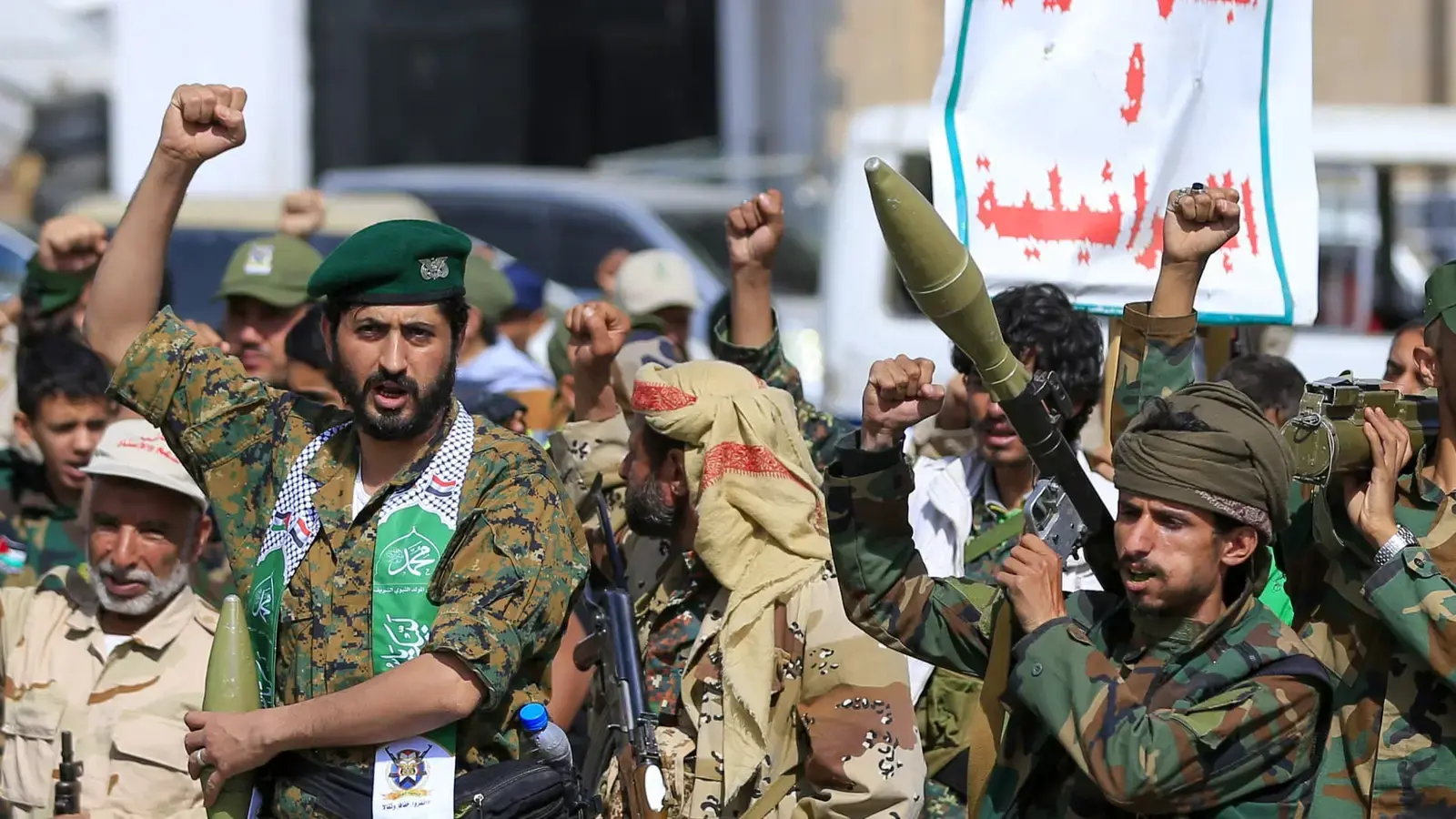
Iranian-backed Houthi militants captured the port city of Mokha on Yemen’s Red Sea coast on Friday, September 11, 2026, marking a significant territorial gain in their ongoing campaign. The seizure gives the group control over a vital maritime gateway used for humanitarian aid and commercial shipping, while their continued advance toward another key oil transit point heightens fears of disruption to global energy flows through the Bab el-Mandeb Strait.
Breaking news
 Deadly Glacier and Rock Collapse in Nepal Linked to Climate Warming
 US Congress Passes Sweeping Sanctions Against Russia
 Speaker Johnson Ends House Session Early to Halt Impeachment Effort
 The High-Stakes Fight for Senate Majority Control
The Houthis’ takeover of Mokha follows weeks of intensified fighting along Yemen’s western coast, where they have been battling forces loyal to the internationally recognized government. Mokha, historically a major coffee export hub, now serves as a logistical base for Houthi operations, enabling them to monitor and potentially interdict vessels moving through the Red Sea. Their push toward the next oil chokepoint suggests an effort to consolidate control over critical maritime corridors, leveraging Iran’s alleged support in weapons, intelligence, and training to bolster their capabilities.
Could This Trigger a Wider Maritime Confrontation?
The loss of Mokha undermines efforts by the Saudi-led coalition to maintain a buffer zone along Yemen’s coast, which had been intended to prevent Houthi incursions toward shipping lanes. Analysts warn that Houthi presence in Mokha allows them to deploy coastal defense systems, including anti-ship missiles and drones, within striking distance of one of the world’s busiest energy routes. Approximately 10% of global oil trade passes through the Bab el-Mandeb Strait, making any escalation a direct threat to international markets. The Houthis have previously launched drone and missile attacks on vessels in the region, claiming solidarity with Palestinians amid the Gaza conflict, though their actions increasingly reflect broader geopolitical ambitions tied to Iranian influence in the Horn of Africa.
The Houthi advance raises urgent questions about whether regional powers will respond with increased naval patrols or direct military intervention to safeguard shipping. The United States and its allies have already bolstered their presence in the Red Sea following a series of Houthi attacks on commercial vessels since late 2023. However, the group’s entrenched position in Mokha complicates efforts to dislodge them without risking civilian harm or escalating into a broader proxy conflict. International maritime insurers have begun raising premiums for ships transiting the area, reflecting growing anxiety over potential delays or cargo losses.
Why is the port of Mokha strategically important to the Houthis? Mokha provides the Houthis with a coastal foothold to control access to the Red Sea, monitor shipping, and launch attacks on vessels using drones and missiles, while also serving as a hub for smuggling weapons and supplies.
Frequently Asked Questions
How does Iran’s involvement affect the situation in Yemen? Iran is widely accused of supplying the Houthis with advanced weaponry, including ballistic missiles and drones, enabling them to threaten regional stability and challenge Saudi and U. S. interests in the waterway.
What impact could this have on global oil prices? If Houthi actions disrupt traffic through the Bab el-Mandeb Strait, even temporarily, it could trigger supply concerns and volatility in global oil markets, particularly affecting Europe and Asia reliant on Middle Eastern energy exports.