Strategic Significance of the Red Sea Corridor
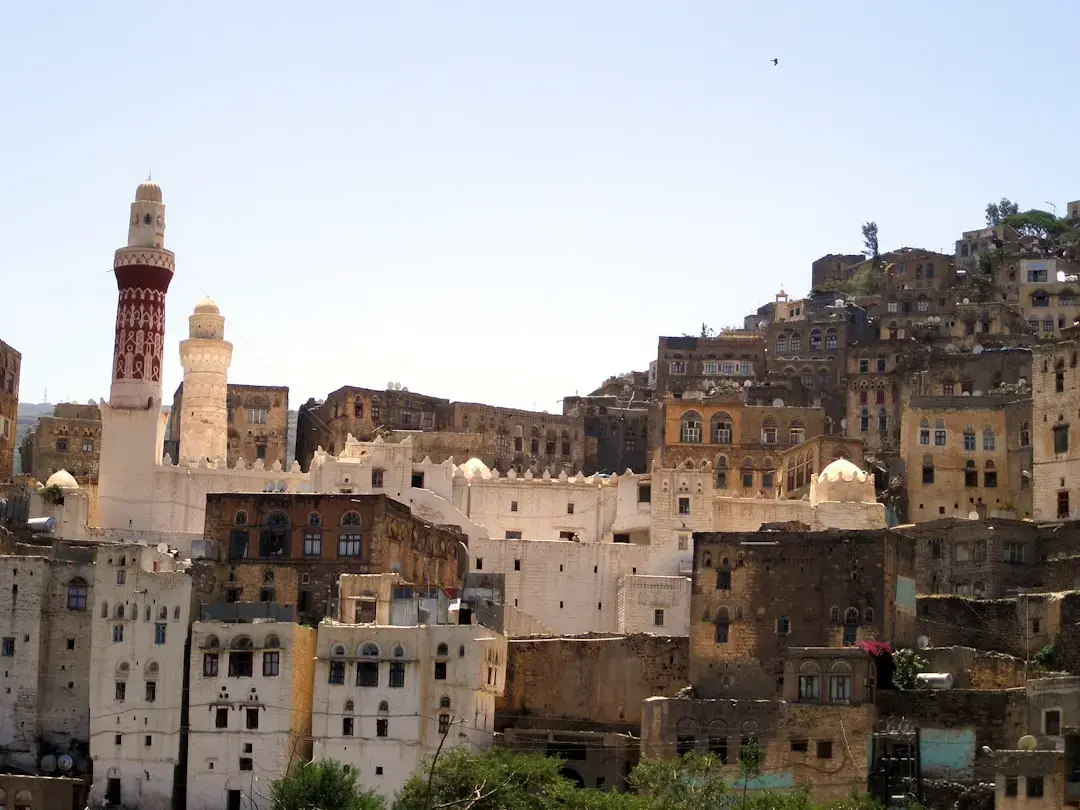
Yemen’s Houthi rebels have taken full control of Mokha, a vital port city on the Red Sea coast. This significant military advance occurred on September 10, 2026. The capture follows days of intense combat between the rebel forces and government-aligned troops. The move marks a major shift in the regional power balance. It heightens concerns about the stability of the southern front.
Breaking news
 Deadly Glacier and Rock Collapse in Nepal Linked to Climate Warming
 US Congress Passes Sweeping Sanctions Against Russia
 Speaker Johnson Ends House Session Early to Halt Impeachment Effort
 The High-Stakes Fight for Senate Majority Control
The takeover of Mokha is not an isolated event. It happens against a backdrop of escalating violence across Yemen. Fighting has intensified significantly in recent weeks. This surge in hostilities has revived fears of a full-scale return to civil war. Analysts note that the strategic location of Mokha makes it a critical prize for any faction seeking dominance over maritime trade routes.
The Red Sea has emerged as a crucial alternative shipping lane. Its importance grew sharply during the conflict between the United States and Iran. With the Strait of Hormuz facing heightened risks, global logistics shifted toward the Red Sea. Mokha serves as a key entry point for this corridor. Control over the port allows the Houthis to monitor and potentially disrupt commercial traffic. This capability strengthens their leverage in ongoing diplomatic negotiations. The city’s infrastructure includes facilities capable of handling large vessels. Losing it represents a tactical setback for the Yemeni government.
How Does This Affect Global Shipping Routes?
The battle for Mokha involved heavy artillery exchanges and ground assaults. Rebel fighters utilized urban warfare tactics to push back opposing forces. Local residents reported widespread damage to residential areas. Aid organizations are now assessing the humanitarian impact on the civilian population. Supply lines into the region remain fragile. The Houthis claim the victory will secure their southern flank. They aim to consolidate their hold on the coastal strip.
The seizure of Mokha directly impacts insurance premiums for cargo ships. Shipping companies are re-evaluating their risk assessments for the Red Sea. Some operators may consider rerouting via the Cape of Good Hope. This longer path increases fuel costs and delivery times. The disruption adds pressure to global supply chains already strained by other conflicts. Insurance markets are closely watching the situation. Premiums for vessels passing near Mokha have begun to rise.
Frequently Asked Questions
The outcome of this battle could define the next phase of the Yemeni conflict. If the Houthis maintain control, they gain a stronger bargaining chip. The government may be forced to seek new alliances or ceasefires. Regional powers are monitoring the development closely. Diplomatic efforts are underway to prevent further escalation. The fall of Mokha signals that the war is far from over. It underscores the fragility of peace in the Horn of Africa.
Why is Mokha considered strategically important? Mokha controls access to a major Red Sea shipping lane. It offers a critical alternative route when the Strait of Hormuz is unstable. Holding the port grants significant economic and military leverage.
When did the Houthis take control of the city? The takeover was confirmed on September 10, 2026. This followed several days of intense fighting. The rebels successfully pushed out government-aligned forces from the urban center.