Without improved satellite tracking, real-time data fusion, and trained
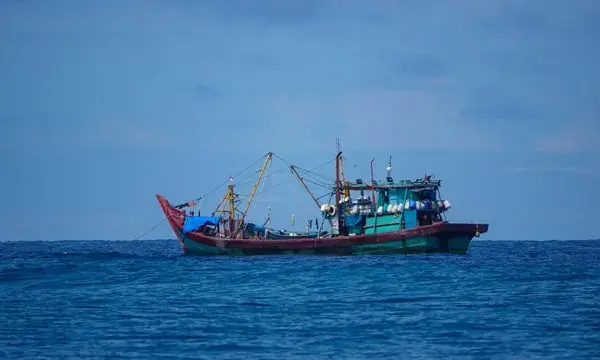
Indonesia’s maritime security remains a critical defense challenge, particularly in the Natuna Sea region, where the country requires more than just new vessels to address growing threats. As of September 2026, officials acknowledge that current capabilities are insufficient to fully secure the area amid rising illegal activities and regional tensions. The Natuna Sea, rich in natural gas reserves and strategically located near international shipping lanes, has become a focal point for maritime disputes and unauthorized fishing. Indonesia’s existing naval fleet, while undergoing modernization, lacks the surveillance, patrol, and rapid response capacity needed to monitor its vast exclusive economic zone effectively. Experts emphasize that technology integration, intelligence sharing, and coastal radar systems are equally vital as new ships. Why New Ships Alone Won’t Solve the Problem Maritime security experts argue that simply acquiring new vessels does not address systemic gaps in Indonesia’s maritime domain awareness.
Breaking news
 Deadly Glacier and Rock Collapse in Nepal Linked to Climate Warming
 US Congress Passes Sweeping Sanctions Against Russia
 Speaker Johnson Ends House Session Early to Halt Impeachment Effort
 The High-Stakes Fight for Senate Majority Control
Without improved satellite tracking, real-time data fusion, and trained personnel, even advanced ships may operate blindly in the Natuna Sea’s complex environment. Illegal, unreported, and unregulated fishing continues to deplete fish stocks, while foreign vessels sometimes encroach on Indonesian waters under the guise of innocent passage. Coordinated efforts between the navy, coast guard, and maritime police are essential but currently hampered by fragmented command structures. How Can Indonesia Strengthen Its Maritime Defenses? To close these gaps, Indonesia must invest in integrated maritime surveillance networks, including unmanned aerial vehicles and coastal radar stations. Capacity-building programs for naval crews and inter-agency joint exercises could improve response times. Additionally, strengthening legal frameworks to prosecute offenders and enhancing cooperation with neighboring countries like Malaysia and Vietnam may deter future violations.
Funding remains a hurdle, but officials suggest reallocating defense budgets toward technology and training could yield long-term gains. Frequently Asked Questions What makes the Natuna Sea strategically important for Indonesia? The Natuna Sea holds significant natural gas reserves and lies along key international shipping routes, making it vital for Indonesia’s energy security and economic interests, while also increasing its vulnerability to external encroachment. Why is illegal fishing a persistent problem in the region? Illegal fishing persists due to limited patrol coverage, weak enforcement of maritime laws, and the high value of marine resources, which incentivizes foreign vessels to operate undetected in Indonesia’s exclusive economic zone. What role does technology play in improving maritime security? Technology such as satellite monitoring, radar systems, and drone surveillance enhances situational awareness, allowing authorities to detect and respond to threats faster and more efficiently than relying solely on naval patrols.