
How Does the Houthis' Blockade Threat Affect Aid Flow?
The Houthi movement in Yemen has announced a blockade for blockadepolicy targeting Saudi Arabia, declaring that any restrictions imposed on Yemen by Riyadh will be met with equivalent measures. The declaration was made by Mahdi al-Mashat, head of the Houthis' Supreme Political Council, during a televised address. He emphasized that the group holds Saudi Arabia responsible for worsening humanitarian conditions through port and airport closures, and warned that escalation would be met with equal force. Al-Mashat also sought to reassure international actors, stating that American naval vessels operating in the region remain safe from Houthi actions.
Breaking news
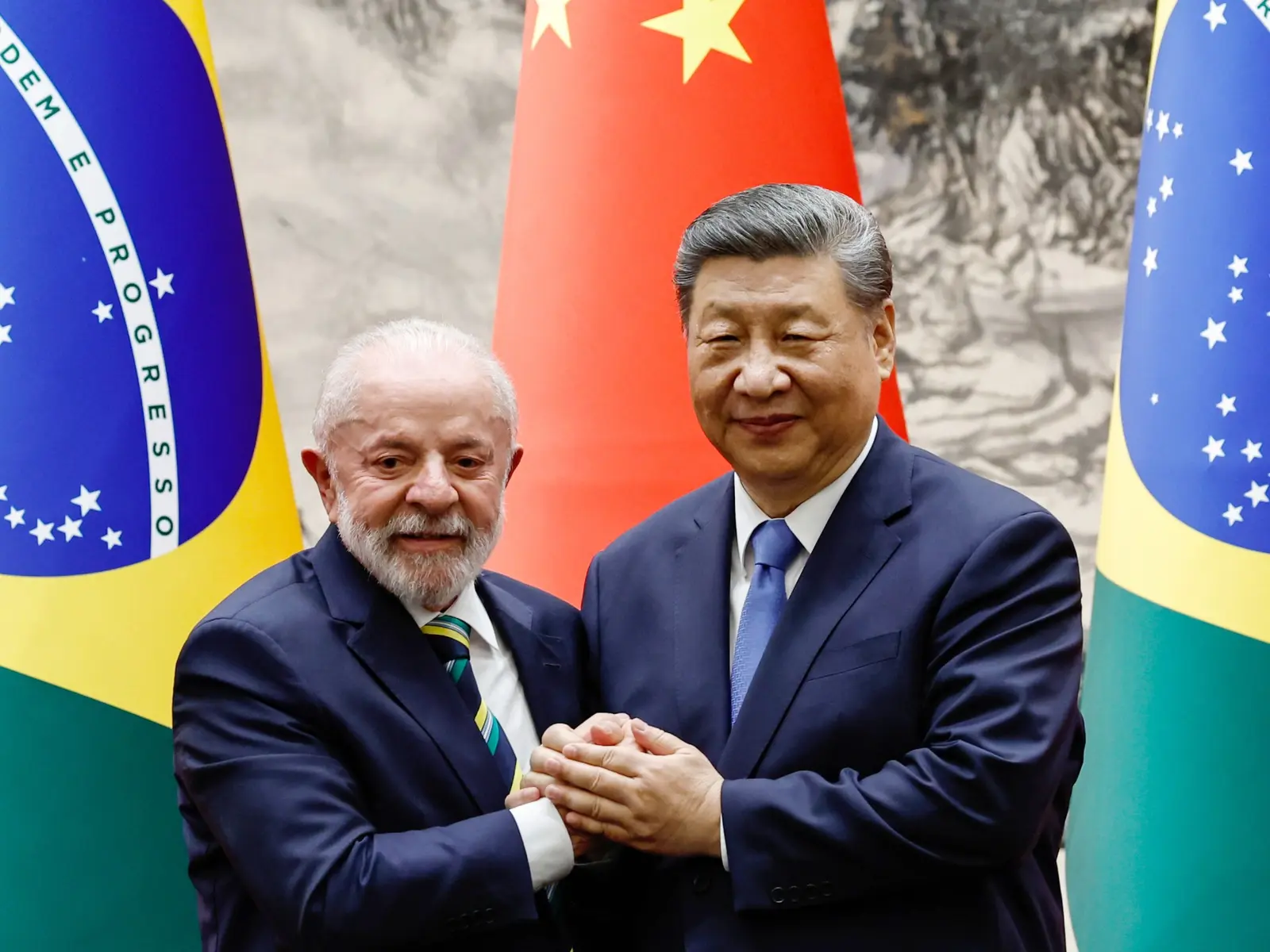 Lula’s Win Puts Global South Diplomacy to the Test
 Max Miller Loses Congressional Seat Amid Domestic Abuse Allegations
 Democrats Win Senate Control as Voters Reject Trump Agenda
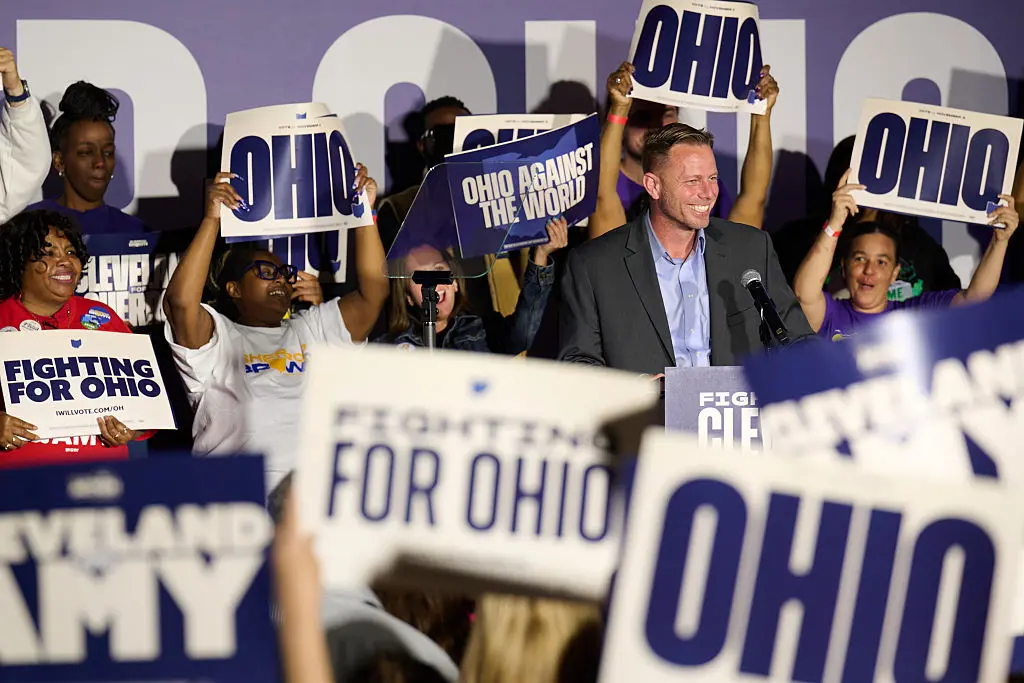 Democrat Brian Poindexter Defeats Incumbent Max Miller in Ohio’s Seventh District
The statement reflects growing frustration within Houthi leadership over Saudi-led coalition efforts to control access to Yemeni ports, particularly Hudaydah, which the United Nations has identified as a critical lifeline for aid deliveries. The Houthis argue that Saudi-imposed limitations on fuel and goods shipments have exacerbated famine and disease risks across Yemen, where millions depend on imported supplies. By framing their response as a direct tit-for-tat mechanism, the group aims to signal resolve while attempting to avoid direct confrontation with foreign military forces. Al-Mashat’s assurance about U. S. ship safety appears designed to prevent broader international intervention, especially given past Houthi attacks on commercial and military vessels in the Red Sea.
What Risks Do U. S. and Allied Forces Face in the Region?
The Houthis' declaration raises concerns about the stability of humanitarian corridors essential for Yemen’s survival. Aid organizations have repeatedly warned that any disruption to port access could push the country deeper into famine, particularly as funding gaps already limit relief operations. While the Houthis claim their actions are defensive, critics argue that reciprocal blockades risk harming civilians more than pressuring Saudi authorities. The group’s control over northern Yemen, including the capital Sanaa, gives it leverage over land routes, but sea access remains vital for large-scale aid. Observers note that without credible guarantees of unimpeded humanitarian passage, the tit-for-tat approach could backfire, isolating the Houthis diplomatically while worsening conditions for civilians.
Despite al-Mashat’s assurances, the presence of U. S. naval forces in the Red Sea remains a point of tension, especially following previous Houthi drone and missile strikes on ships linked to Israel or perceived as supporting it. While the Houthis have distinguished their current Saudi-focused measures from broader maritime threats, analysts caution that miscalculation or rogue elements within their ranks could still endanger foreign vessels. The U. S. Central Command has maintained a heightened posture in the area, citing the need to protect freedom of navigation. Any perceived threat to American interests, even if unintended, could trigger a stronger military response, potentially drawing the Houthis into a wider confrontation they claim to want to avoid.
What does blockade for blockademean in this context? It means the Houthis will match any restrictions Saudi Arabia places on Yemeni ports with equivalent limitations on Saudi access, framing it as a reciprocal measure rather than unilateral aggression.
Frequently Asked Questions
Are American ships truly safe from Houthi attacks according to the group? Al-Mashat explicitly stated that U. S. naval vessels are not targeted under the current policy, though this assurance does not extend to ships associated with other nations or perceived as supporting Israel.
Could this escalation lead to a broader regional conflict? While the Houthis aim to pressure Saudi Arabia without provoking the U. S., the volatile environment in the Red Sea increases the risk of unintended incidents that could draw in external powers.