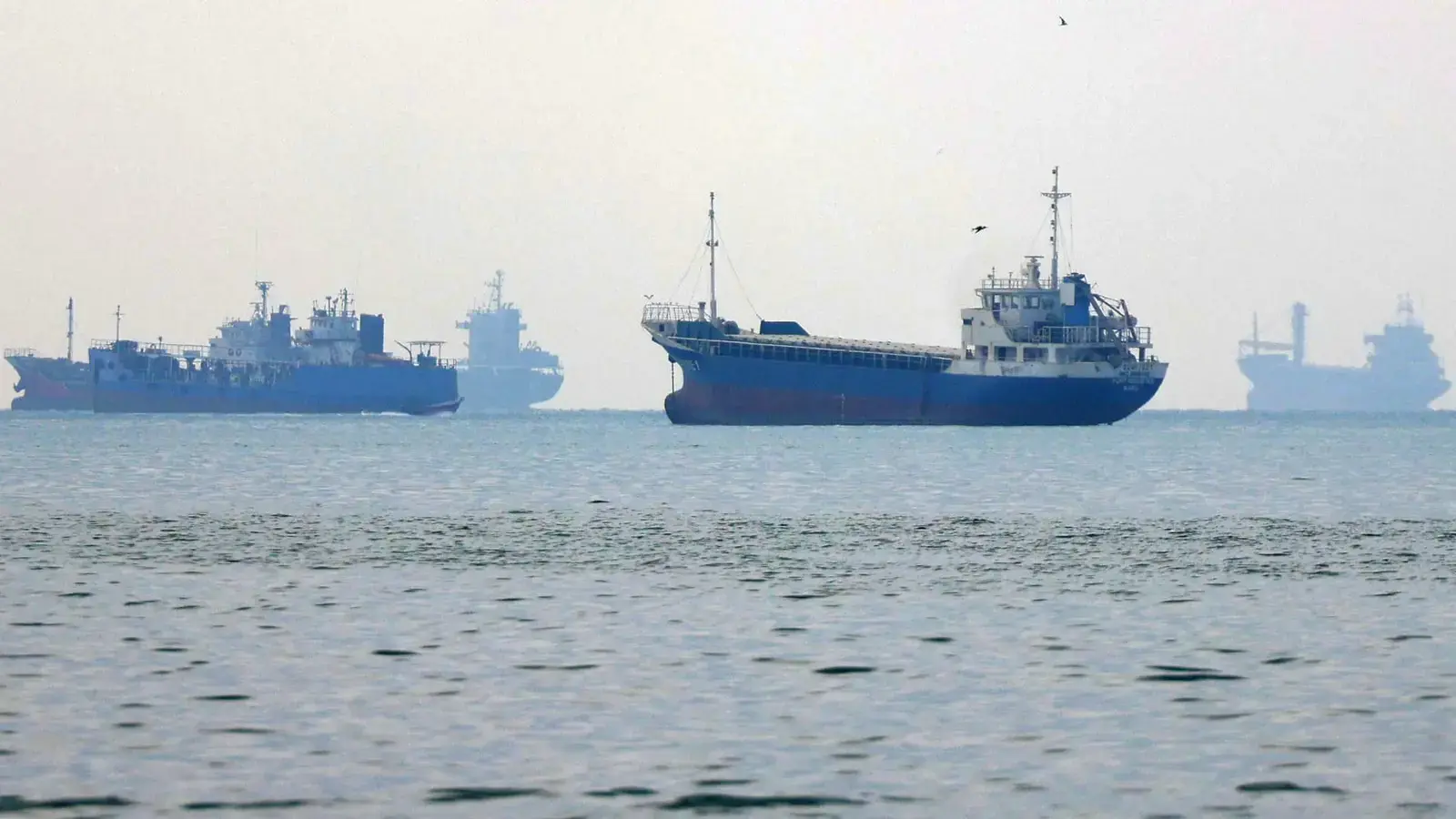
Military Support Underpins the Fragile Recovery
Crude oil exports through the Strait of Hormuz reached prewar levels by Monday, according to data from Kpler. This marks a significant recovery for one of the world’s most critical energy chokepoints. However, the full picture remains complicated. While raw crude moved freely, refined fuel shipments continued to face constraints. The disparity between these two flow types highlights lingering issues in the global energy supply chain. Analysts note that the return to normalcy is not yet uniform across all petroleum products.
Breaking news
 Ronna McDaniel Weighs In on GOP's Path Forward
 Market Sentiment Shifts as S&P 500 Snaps Three-Day Losing Streak
 Voters Demand Stronger Congressional Oversight of Presidential Power
 Pelosi Looks Back, Sees Democratic Triumph Ahead
The timing of this recovery aligns with recent geopolitical shifts in the region. For months, tensions threatened to disrupt the movement of millions of barrels daily. Now, the steady flow of crude suggests that major producers have stabilized their logistics. Yet, the lag in fuel deliveries indicates that downstream refineries and distribution networks are still catching up. This gap creates a complex market dynamic where crude availability does not immediately translate into gasoline or diesel availability for consumers.
The sustainability of these restored flows depends heavily on external security guarantees. Specifically, the recovery relies on protection provided by the U. S. military. This naval presence helps deter disruptions and ensures safe passage for commercial tankers. Without this shield, the strait remains vulnerable to potential blockades or attacks. Consequently, traders view the current stability as conditional rather than permanent. They monitor military deployments closely to gauge risk premiums in shipping insurance rates. The reliance on foreign defense forces adds a layer of diplomatic complexity to an already sensitive trade route.
Can the Market Sustain This Momentum?
Data from shipping trackers shows a clear divergence in cargo types. Crude tankers have resumed standard schedules, filling up quickly after weeks of caution. In contrast, product tankers carrying finished fuels move slower. This bottleneck affects global fuel prices, which often remain elevated despite cheaper crude inputs. Refineries in Asia and Europe struggle to balance their intake and output. They must manage inventory levels carefully while waiting for the entire pipeline to normalize. The situation underscores how interconnected different stages of the energy sector truly are.
Investors ask whether this rebound will hold without further intervention. The answer likely hinges on broader regional peacekeeping efforts. If conflicts flare up again, the fragile truce could collapse instantly. Markets react swiftly to such news, causing volatility in both crude and fuel sectors. For now, the focus remains on maintaining the status quo. Shipping companies report smoother operations compared to the peak of the crisis. However, they keep contingency plans ready just in case. The goal is to prevent a repeat of the earlier supply shocks.
The outlook for the coming quarter suggests cautious optimism. Analysts predict that fuel shipments will gradually catch up to crude volumes. This normalization should ease pressure on global energy prices. Nevertheless, the dependence on military escort remains a key variable. Any change in policy could alter the cost of doing business through the strait. Traders continue to hedge their positions against sudden reversals. The era of effortless energy transit may be over, replaced by a new era of managed risk.
Frequently Asked Questions
Why are fuel shipments still constrained? Refined fuel logistics have not fully recovered as quickly as crude oil flows. Downstream distribution networks face bottlenecks that delay the movement of finished products.
Who provides security for the strait? The United States military currently provides protective escorts for commercial vessels. This support is crucial for maintaining the current level of export activity.
Is the recovery permanent? It is unclear how long the current stability will last. The system relies heavily on ongoing military protection and favorable geopolitical conditions.