
Hormuz Flow Dynamics: Why Traffic Matters
Oil prices remained largely unchanged on Thursday as traders focused on potential disruptions in the Strait of Hormuz and recent attacks on shipping vessels. The benchmark West Texas Intermediate (WTI) settled at $82.45 per barrel, while Brent rose slightly to $86.90, reflecting a cautious market stance.
Breaking news
 Asset Management One to Raise Talent Spending by 30% in Three Years
 Proposed Permanent Annexation of Gaza and Lebanon by Israeli Finance Minister
 Taiwan Overtakes South Korea as Global AI Market Leader
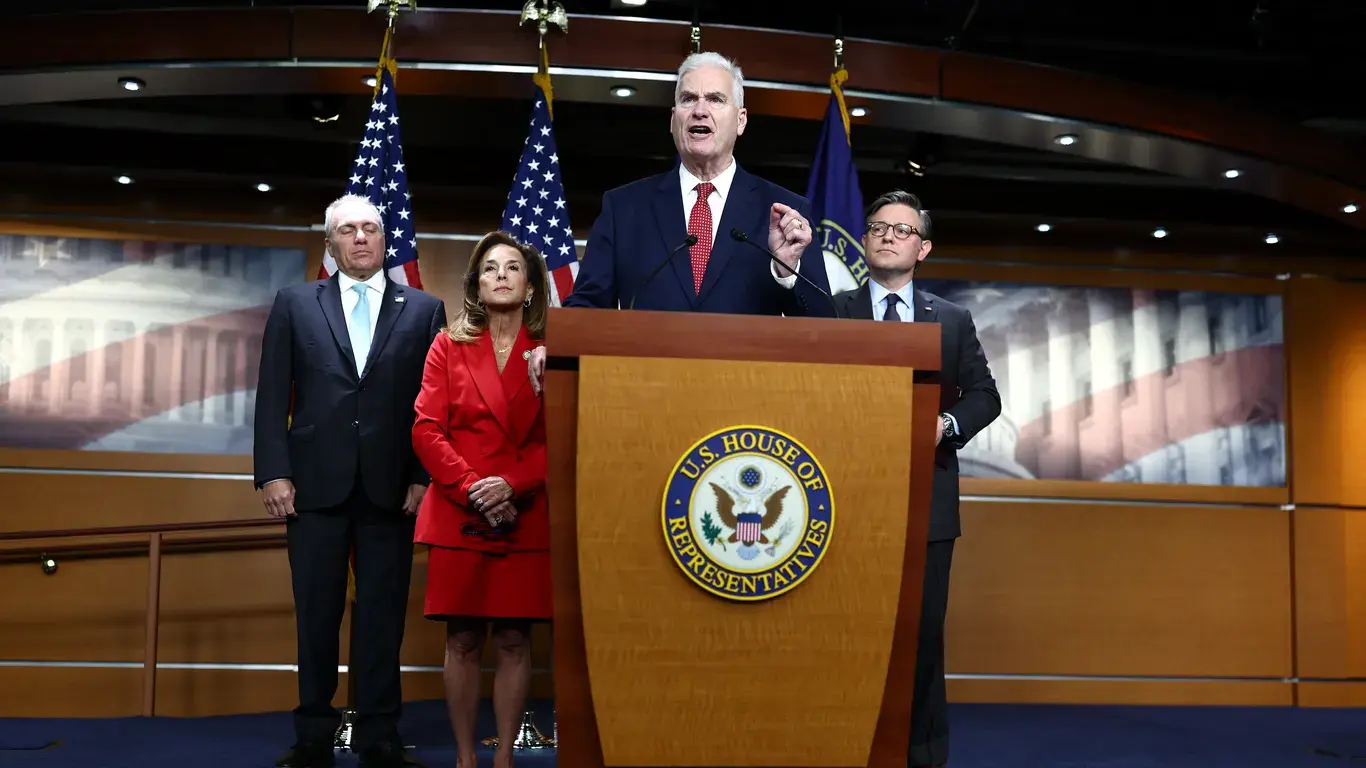 House Whip Tom Emmer Blasts Senate Republicans Over Legislative Stagnation
The market reaction followed reports of increased shipping traffic through the Hormuz Strait, the critical chokepoint that handles about 20% of global oil flow. Analysts noted that higher throughput could strain the already congested passage, raising fears of delays or accidental spills. Meanwhile, a separate incident involving a tanker in the Gulf of Oman, reportedly struck by a small vessel, added to the uncertainty. Shipping companies expressed concerns about safety protocols and the potential for further attacks.
Vessel Attacks: A Growing Threat?
The Strait of Hormuz is a narrow waterway that connects the Persian Gulf to the Arabian Sea. Any interruption—whether from geopolitical tensions, piracy, or mechanical failures—can ripple across global supply chains. Recent data show a 12% increase in vessel movements last month, prompting maritime authorities to enhance monitoring. Experts argue that while the current uptick is manageable, sustained congestion could strain port infrastructure and increase transit times, pushing prices higher.
The tanker incident in the Gulf of Oman, where a small craft allegedly collided with a large oil vessel, sparked debate over maritime security. Naval officials confirmed the collision but denied any intentional attack. However, the event highlighted vulnerabilities in the region’s shipping lanes. Shipping analysts warn that any escalation could lead to higher insurance premiums and stricter routing requirements, affecting global oil transport costs.
# What If the Strait Closes?
Should tensions rise or a blockade be imposed, oil exports from Iran and Iraq could be severely curtailed. This would tighten supply, potentially pushing WTI above $90 per barrel. Market participants remain vigilant, monitoring diplomatic developments and naval movements closely.
The outlook for oil prices remains mixed. While short-term volatility is likely, long-term trends suggest stability as supply routes normalize and security measures improve. Traders will watch closely for any new incidents or policy shifts that could alter the balance.
Q1: How does increased traffic in the Hormuz Strait affect oil prices? A1: Higher traffic can lead to congestion and potential delays, raising the risk of supply disruptions. This uncertainty often pushes prices slightly upward as markets anticipate possible shortages.
Frequently Asked Questions
Q2: What measures are in place to protect vessels in the Gulf of Oman? A2: Navies patrol the area, and shipping companies employ escort vessels and advanced navigation systems. However, incidents still occur, highlighting the need for continuous security improvements.
Q3: Will the tanker collision impact global oil supply? A3: The collision itself had minimal immediate impact on supply volumes. However, it raises concerns about safety and could prompt stricter regulations, potentially affecting shipping costs and oil prices in the medium term.