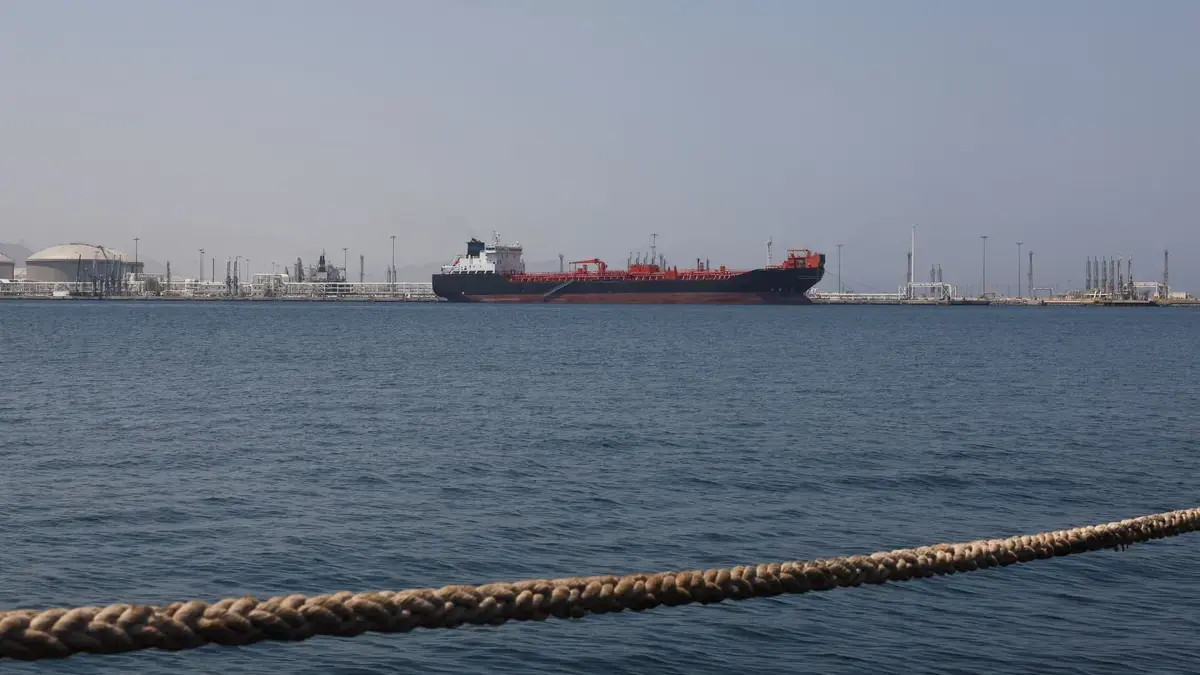
Trump’s Stance Fuels Uncertainty
Oil prices increased Thursday. Investors are watching escalating tensions between the U. S. and Iran. The focus remains on potential disruptions to crucial shipping lanes. This activity occurred as global markets reacted to regional instability.
Breaking news
 Deadly Glacier and Rock Collapse in Nepal Linked to Climate Warming
 US Congress Passes Sweeping Sanctions Against Russia
 Speaker Johnson Ends House Session Early to Halt Impeachment Effort
 The High-Stakes Fight for Senate Majority Control
Geopolitical risks are driving the price increase. Traders fear a possible conflict could impact oil supply. The Strait of Hormuz, a vital waterway, is at the center of these concerns. Roughly 20% of the world’s oil passes through this narrow passage daily. Any blockage would significantly affect global energy markets.
Former President Donald Trump recently made statements increasing pressure on Iran. His remarks heightened existing anxieties about the region. These comments contributed to the jump in oil prices. Market analysts believe Trump’s aggressive rhetoric is a key factor. It signals a potential escalation of conflict.
Could Hormuz Become a Chokepoint?
The situation is complex. Iran and the U. S. have been at odds for years. Disputes over Iran’s nuclear program and regional influence are ongoing. Recent events have intensified these disagreements. This creates a volatile environment for oil trading. Brent crude, a global benchmark, saw a notable rise in price. West Texas Intermediate (WTI), the U. S. benchmark, also increased.
The Strait of Hormuz is particularly vulnerable. Iran has previously threatened to disrupt shipping if provoked. This threat adds to the existing risk premium in oil prices. Experts are assessing the likelihood of Iran taking such action. The U. S. Navy maintains a presence in the region. It aims to ensure the free flow of commerce. However, the situation remains unpredictable.
Increased tensions could lead to supply shortages. This would drive prices even higher. Consumers could face increased costs at the pump. Businesses relying on oil would also be affected. The global economy could experience broader consequences. The extent of the impact depends on how the situation unfolds.
Frequently Asked Questions
What is the significance of the Strait of Hormuz? The Strait of Hormuz is a strategically important waterway. It connects the Persian Gulf to the Arabian Sea and the Indian Ocean. A large percentage of the world’s oil supply travels through it.
How might a disruption in the Strait of Hormuz affect prices? Any disruption, even temporary, would likely cause a significant price spike. Reduced supply combined with continued demand would drive up costs. This could lead to economic instability.
What is the U. S. doing to address the situation? The U. S. maintains a naval presence in the region. It aims to protect shipping lanes and deter any aggressive actions. Diplomatic efforts are also underway, though progress is slow.