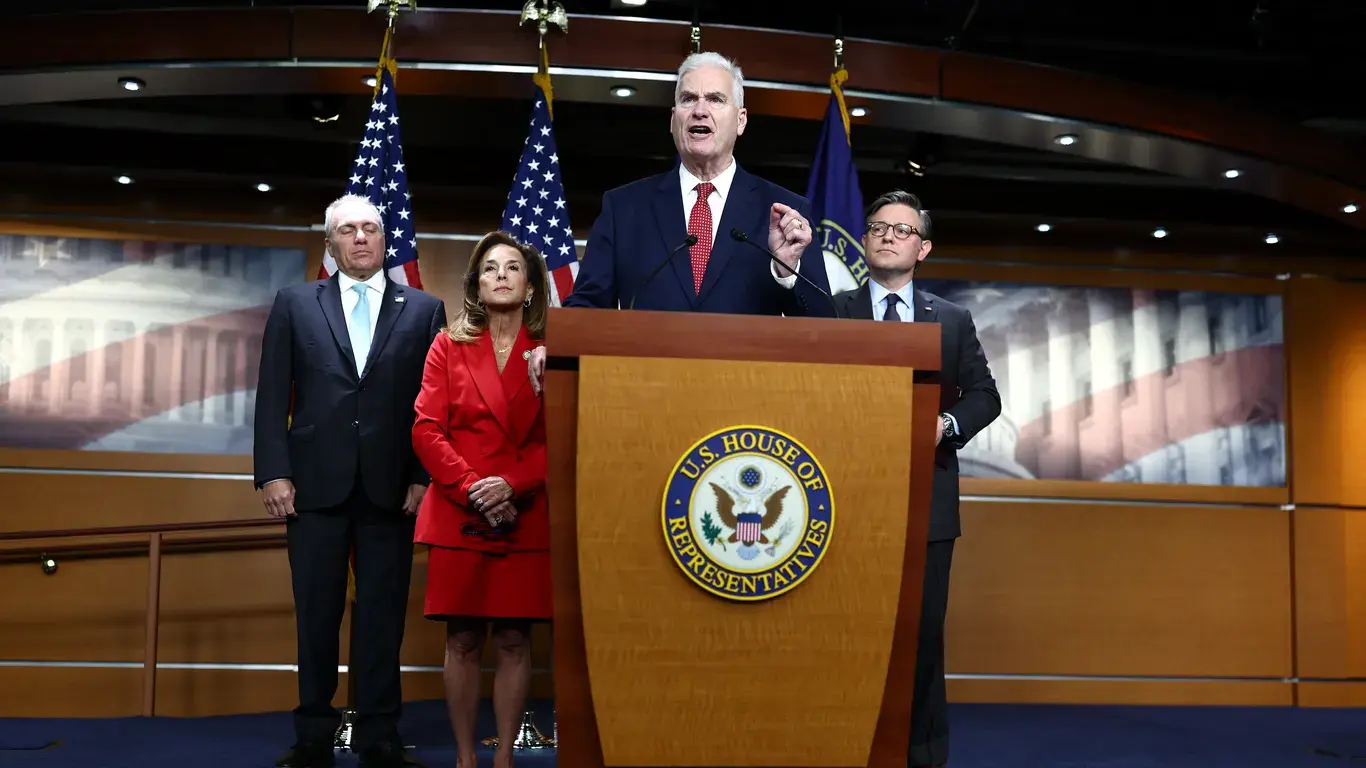
A Growing Rift in Congressional Relations
House Majority Whip Tom Emmer publicly voiced intense frustration with Senate Republicans this week. The Minnesota representative expressed deep dissatisfaction regarding the upper chamber's legislative performance throughout the current year. His candid remarks highlight a growing divide between the two chambers of Congress as frustrations reach a boiling point in Washington.
Breaking news
 Partners Group Gets Creative to Fix Funds Hit by Redemption Wave
 The Caspian Sea has been shrinking for decades, and now a new island has emerged in its northern waters near Kazakhstan
 ABN Amro CEO Backs Dutch Government Plan to Reduce Bank Stake
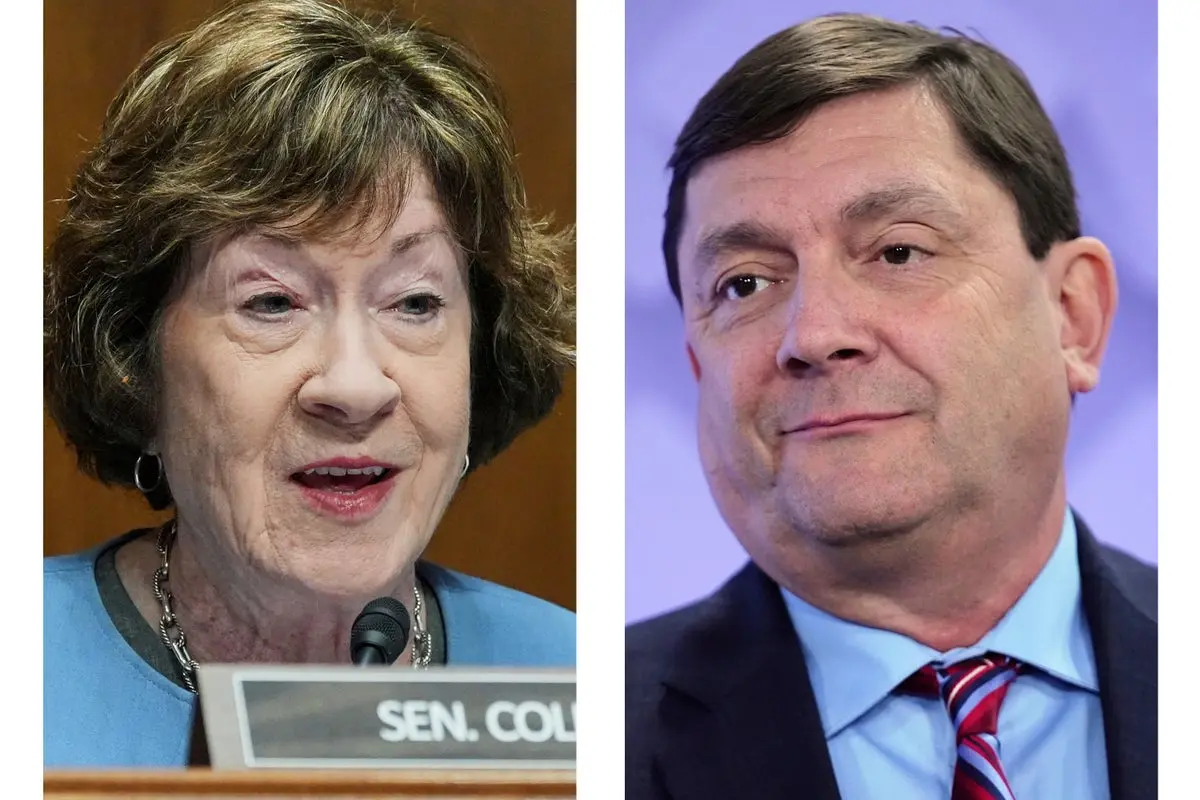 Susan Collins Says She’s „Not Exactly” Trump’s Favorite Senator as Democrats Eye Maine Seat
Emmer’s comments represent a significant departure from the diplomatic tone typically maintained by House leadership. While Speaker Mike Johnson and Majority Leader Steve Scalise generally avoid criticizing their Senate colleagues, Emmer broke that trend. He argued that the Senate’s inaction has become a major obstacle for the Republican agenda.
The tension stems from a long-standing belief among House Republicans that the Senate is failing to act on key priorities. Many members of the lower chamber feel their legislative efforts are being ignored or stalled by the upper chamber. Emmer’s blunt assessment reflects the private grievances that have permeated House GOP meetings for months.
Will Legislative Cooperation Collapse Entirely?
By speaking out, Emmer has effectively validated the frustrations felt by many rank-and-file members. The lack of coordination between the two bodies has created a sense of gridlock that many lawmakers find intolerable. This public airing of grievances suggests that the internal party friction is becoming increasingly difficult to contain.
The fallout from these comments remains uncertain. While some lawmakers may appreciate Emmer’s honesty, the remarks could further damage the working relationship between the House and Senate. If the two chambers cannot align their strategies, the prospects for passing significant legislation before the end of the term appear increasingly bleak.
The political consequences may extend to upcoming negotiations on critical funding and policy issues. With the House leadership now openly questioning the effectiveness of their Senate counterparts, the path toward compromise has become significantly more complicated. Observers are now watching to see if Senate leadership will respond to these sharp criticisms.
Frequently Asked Questions
Why did Tom Emmer criticize the Senate? Emmer is frustrated by the Senate's perceived inability to move forward on key Republican legislative priorities. He believes their lack of action is hindering the overall progress of the party's agenda.
Does this represent the view of all House Republicans? While Emmer is a member of the leadership team, he is expressing a sentiment that has been widely shared among House members. His comments reflect mounting impatience with the legislative pace of the upper chamber.
How might this impact future legislation? The public rift could make bipartisan or even bicameral cooperation much harder to achieve. Heightened tensions often lead to increased gridlock and difficulty in passing essential government funding or policy bills.