The Shocking Drop in Testosterone
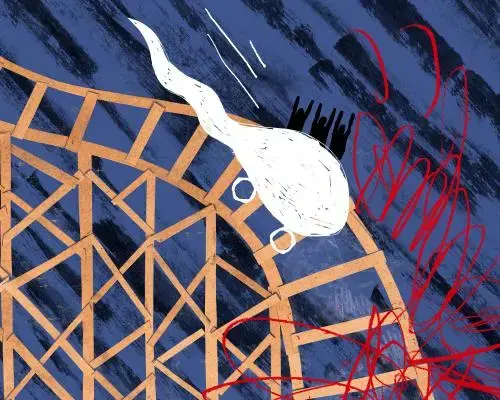
The world faces a growing male reproductive crisis, scientists warned this week. New data reveals a startling decline in average male testosterone levels. This drop, estimated at 50% over the last five decades, raises serious concerns. Experts are calling for urgent attention to this silent health emergency.
Breaking news
 Greenpeace Investigates Zaporizhzhia Nuclear Plant Power Lines
 Researcher warns strict age limits needed for children on social media
 Hezbollah defends its arsenal amid Lebanese political deadlock
 Can an AI Chatbot Reduce Maternal Deaths in Kenya?
This significant reduction in testosterone, a key male hormone, has profound implications. It affects not only fertility but also overall male health. The findings suggest a widespread environmental or lifestyle factor at play. Researchers are now scrambling to understand the root causes of this alarming trend.
Professor Hagai Levine, who spearheaded the research, expressed his astonishment. „It is mind-blowing that testosterone has declined by 50%,”he stated. He emphasized the sheer magnitude of this change. Such a substantial decrease points to a systemic issue rather than isolated incidents.
What's Causing This Reproductive Crisis?
This decline is not just a statistical anomaly. It represents a real physiological shift in men's health globally. The implications extend beyond reproduction, impacting energy levels, muscle mass, and bone density. Scientists are particularly worried about the speed of this decline.
The exact reasons behind this dramatic fall remain unclear. However, researchers are investigating several potential factors. These include exposure to environmental toxins, changes in diet, and increasing obesity rates. Lifestyle choices, stress, and lack of physical activity might also contribute.
Endocrine-disrupting chemicals found in plastics and pesticides are under scrutiny. These chemicals can interfere with hormone production. The modern environment may be inadvertently harming male reproductive health. Understanding these links is crucial for developing effective interventions.
The long-term consequences of this trend are severe. A continued decline could lead to widespread infertility issues. It also poses a threat to public health, affecting men's well-being across generations. Urgent research and public health initiatives are needed to address this global challenge.
Frequently Asked Questions
What is the main finding of the recent research? The research indicates a 50% drop in average male testosterone levels over the past 50 years. This significant decline points to a widespread male reproductive crisis.
Why is a 50% decline in testosterone levels so concerning? A 50% decline is alarming because testosterone is vital for male fertility and overall health. Such a large drop suggests a systemic problem with potentially severe long-term consequences for men's well-being and global population health.
What are scientists investigating as potential causes for this decline? Scientists are exploring various factors including environmental toxins, dietary changes, obesity, and lifestyle choices. Endocrine-disrupting chemicals in everyday products are also a key area of investigation.