The Unraveling of the Tech Boom
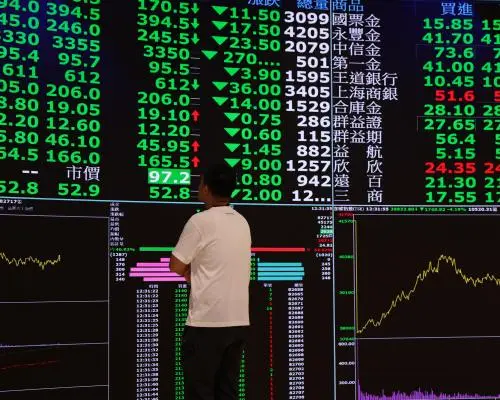
Global equity markets suffered sharp declines this week as mounting economic pressures and cooling enthusiasm for artificial intelligence triggered widespread investor panic across major international trading hubs.
Breaking news
 Train crash kills seven, injures dozens near Egypt's Cairo city
 Egypt announces major Mediterranean gas find
 U.S. Forces Disable Ship After It Attempts to Break Hormuz Blockade
 Stephen Miller and DOJ Weigh Jail for Leaking Journalists
The dramatic downturn follows weeks of escalating warning signs that financial valuations had climbed far too rapidly. Analysts noted that flashing red indicators had been ignored for months, driven by intensifying geopolitical conflict in the Middle East and surging government borrowing costs that reached multi-decade highs.
The sudden market reversal highlights the fragility of the recent rally, which was heavily reliant on continuous growth in the technology sector. Market strategists had previously cautioned that the relentless expansion of the artificial intelligence sector was showing distinct signs of fatigue.
Are Higher Borrowing Costs Choking Growth?
Investors began questioning whether astronomical spending on automated systems would yield immediate profits. This skepticism coincided with a broader macroeconomic squeeze, making speculative tech assets far less attractive to institutional fund managers.
Government debt yields have climbed significantly, placing immense pressure on both corporate balance sheets and broader economic stability worldwide. When public borrowing costs surge, capital becomes more expensive, forcing businesses to scale back expansion plans and curb risk-taking behavior.
This environment leaves little room for operational missteps, particularly for high-growth industries that depend on cheap, abundant credit to fuel their ambitious operational roadmaps.
Frequently Asked Questions
The immediate outlook for international bourses remains highly volatile as traders re-evaluate risk exposures amid persistent geopolitical tensions and tightening monetary conditions. Unless macroeconomic fundamentals stabilize, further downward corrections may materialize across key indices in the upcoming trading sessions.
What triggered the recent turbulence in global stock markets? Markets tumbled due to a combination of cooling enthusiasm for artificial intelligence, escalating Middle East conflicts, and soaring government borrowing costs.
Why were analysts concerned about market valuations prior to the drop? Experts noted that warning lights had been flashing red since late September because equities had risen much faster than underlying economic conditions justified.