Local Leaders React to Urban Chaos
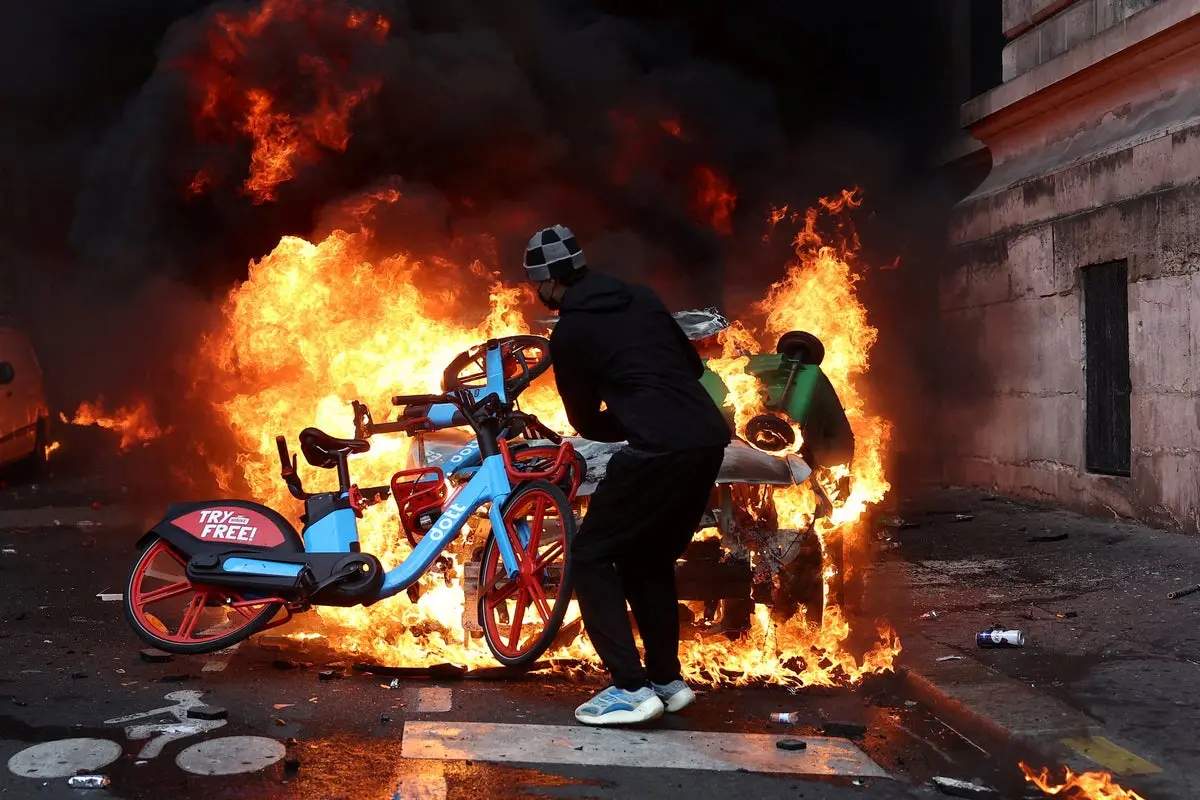
Authorities in France have implemented strict partial curfews in several major cities, including Paris and Nice, following a weekend of intense rioting and looting. Prime Minister Sebastien Lecornu’s office confirmed that local mayors in Lille, Douai, Wattignies, and Denain agreed to the emergency measures after hundreds of thousands took to the streets.
Breaking news
 Montenegro, Albania Seek NATO Help to Counter Russian Disinformation
 Ronna McDaniel Weighs In on GOP's Path Forward
 Market Sentiment Shifts as S&P 500 Snaps Three-Day Losing Streak
 Voters Demand Stronger Congressional Oversight of Presidential Power
The unrest began as a nationwide protest against the perceived decline of public services and rising living costs. However, the demonstrations quickly escalated into violent clashes with law enforcement. Protesters targeted commercial districts, leading to widespread property damage and the theft of goods from various retail outlets.
In Nice, Mayor Eric Ciotti took decisive action by ordering a curfew to prevent further destruction of the city’s infrastructure. The government hopes these nighttime restrictions will disperse crowds and allow security forces to regain control of the streets. Officials noted that the scale of the looting has forced a shift from political dialogue to emergency policing.
Will the New Restrictions Quell the Violence?
The protests reflect a deep-seated frustration among the French public regarding the quality of state support and economic stability. While many citizens initially joined the movement to voice legitimate grievances, the transition into civil disorder has complicated the political landscape. Security forces remain on high alert as they brace for potential further escalations.
The effectiveness of these curfews remains to be seen as tensions continue to simmer in urban centers. Critics argue that the measures may further alienate the population, while supporters believe they are necessary to protect small businesses and residents. The government is currently balancing the need for public order with the democratic right to protest.
As the situation evolves, international observers are closely monitoring the French government's response. The political fallout from these riots is expected to influence upcoming policy decisions regarding public spending and social services. For now, the focus remains on restoring peace and assessing the total damage caused by the weekend’s events.
Frequently Asked Questions
What specific areas are currently under curfew? The restrictions primarily affect Paris, Nice, and several northern towns including Lille, Douai, Wattignies, and Denain. Local mayors worked with the Prime Minister's office to establish these zones based on recent violence levels.
What triggered the initial wave of protests? The demonstrations were sparked by public anger over the degradation of essential public services and the rising cost of living. While the movement started as a peaceful protest, it eventually devolved into rioting and looting in multiple cities.
How are the authorities responding to the looting? In addition to imposing curfews, the government has deployed extra security forces to protect commercial areas. Officials are prioritizing the restoration of order while investigating the groups responsible for the most severe property damage.