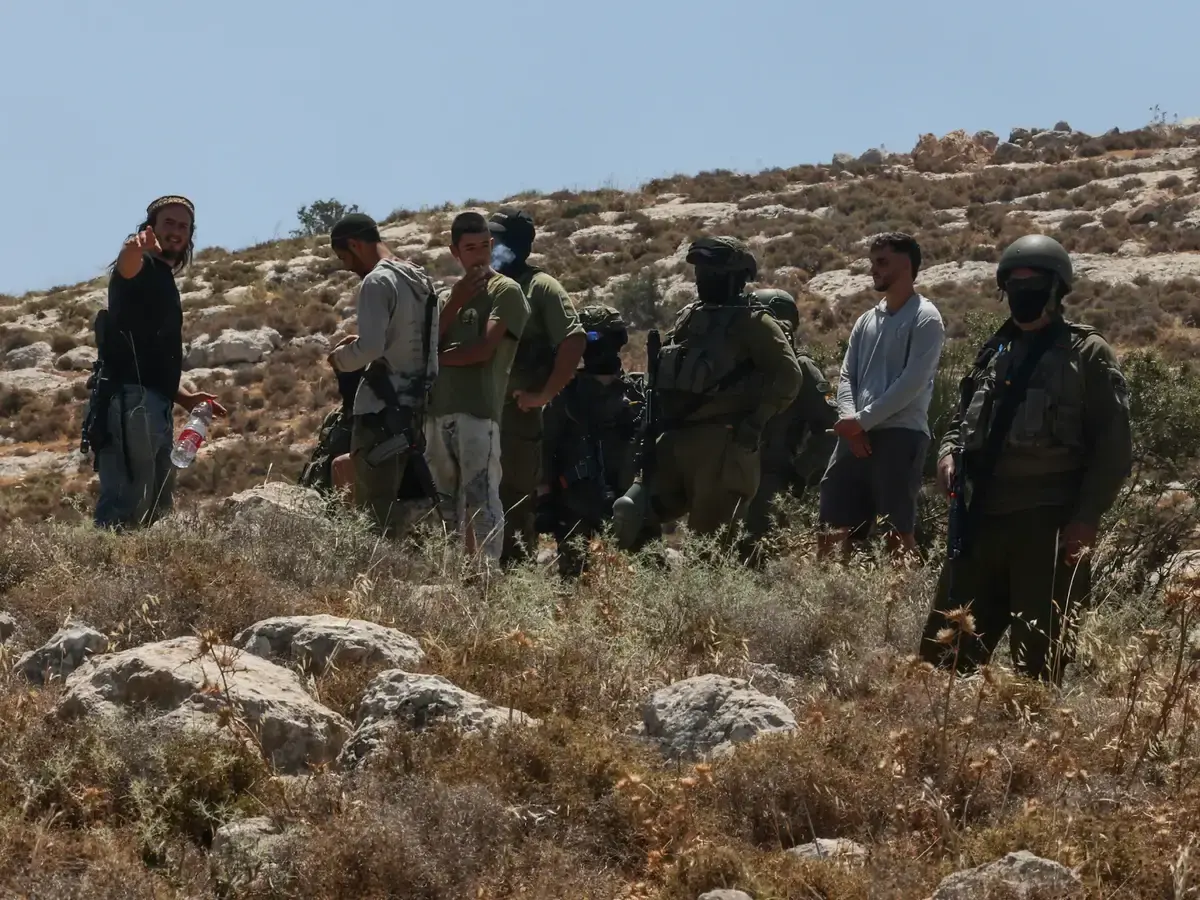
Rising Tensions and International Pressure
Six Western countries—the UK, Australia, Canada, France, New Zealand, and Norway—have announced sanctions. These target individuals involved in escalating settler violence in the occupied West Bank. The move comes amid growing international concern over the deteriorating security situation.
Breaking news
 Deadly Glacier and Rock Collapse in Nepal Linked to Climate Warming
 US Congress Passes Sweeping Sanctions Against Russia
 Speaker Johnson Ends House Session Early to Halt Impeachment Effort
 The High-Stakes Fight for Senate Majority Control
The sanctions aim to hold accountable those fueling unrest and obstructing peace efforts. These nations cite a significant increase in attacks by Israeli settlers against Palestinians and their property. They emphasize the need for de-escalation and protection of vulnerable communities. The governments stated they will consider additional steps if Israel doesn’t address the violence.
The decision reflects mounting frustration with the lack of progress toward a two-state solution. Settler violence has long been a contentious issue, but recent months have seen a marked increase. Reports detail attacks on Palestinian villages, including arson, property destruction, and physical assaults. These actions often occur with limited intervention from Israeli security forces.
Will These Sanctions Change the Situation?
The six countries haven't publicly named the specific individuals targeted. However, they indicated the sanctions will include travel bans and asset freezes. This coordinated action signals a unified stance against actions undermining regional stability. It also underscores the international community’s commitment to upholding international law in the occupied territories.
The effectiveness of these sanctions remains to be seen. Critics argue that similar measures in the past have had limited impact. Israel has consistently defended its policies in the West Bank as necessary for security. However, the coordinated nature of this latest effort could amplify its effect. It demonstrates a broader international consensus on the need for accountability.
The sanctions are intended to send a clear message. They signal that those responsible for violence will face consequences. This could potentially deter further attacks and encourage a more proactive response from Israeli authorities. The six nations hope this will create a more conducive environment for meaningful negotiations.
Frequently Asked Questions
The long-term consequences will depend on Israel’s response. If Israel fails to address the root causes of the violence, further international action is likely. This could include broader economic sanctions or diplomatic pressure. The situation remains volatile, and the risk of further escalation is high. A lasting resolution requires a commitment to dialogue and a genuine effort to address the grievances of both sides.
What specific actions constitute „settler violence”? Settler violence encompasses a range of illegal acts perpetrated by Israeli settlers against Palestinians and their property. These include physical assaults, vandalism, arson, and the destruction of olive groves and agricultural lands. These actions often aim to displace Palestinians and expand Israeli settlements.
Why are these six countries taking action now? The recent surge in settler violence, coupled with a lack of adequate response from Israeli authorities, prompted this coordinated action. These nations believe it’s crucial to hold perpetrators accountable and prevent further escalation of the conflict. They also seek to preserve the possibility of a viable two-state solution.