
Regulatory differences, lack of harmonized standards, and limited cross-border
Andrew Caruana Galizia, Head of Europe and Eurasia at the World Economic Forum, stated on September 18, 2026, that Europe's best path forward lies in strengthening its internal market. Speaking during a WEF briefing, he emphasized that focusing on internal economic integration offers the most realistic route to resilience and competitiveness. His comments came amid ongoing debates about Europe's global role and economic strategy. Caruana Galizia argued that Europe cannot compete globally in all sectors and must instead prioritize areas where it holds structural advantages. He pointed to the single market as a unique asset that remains underutilized despite its potential. By deepening integration in services, digital infrastructure, and cross-border investment, Europe could boost productivity and innovation without relying on external dominance. Why Internal Focus Beats External Ambition He noted that attempts to match global powers in manufacturing or technology often overlook Europe's fragmented internal barriers.
Breaking news
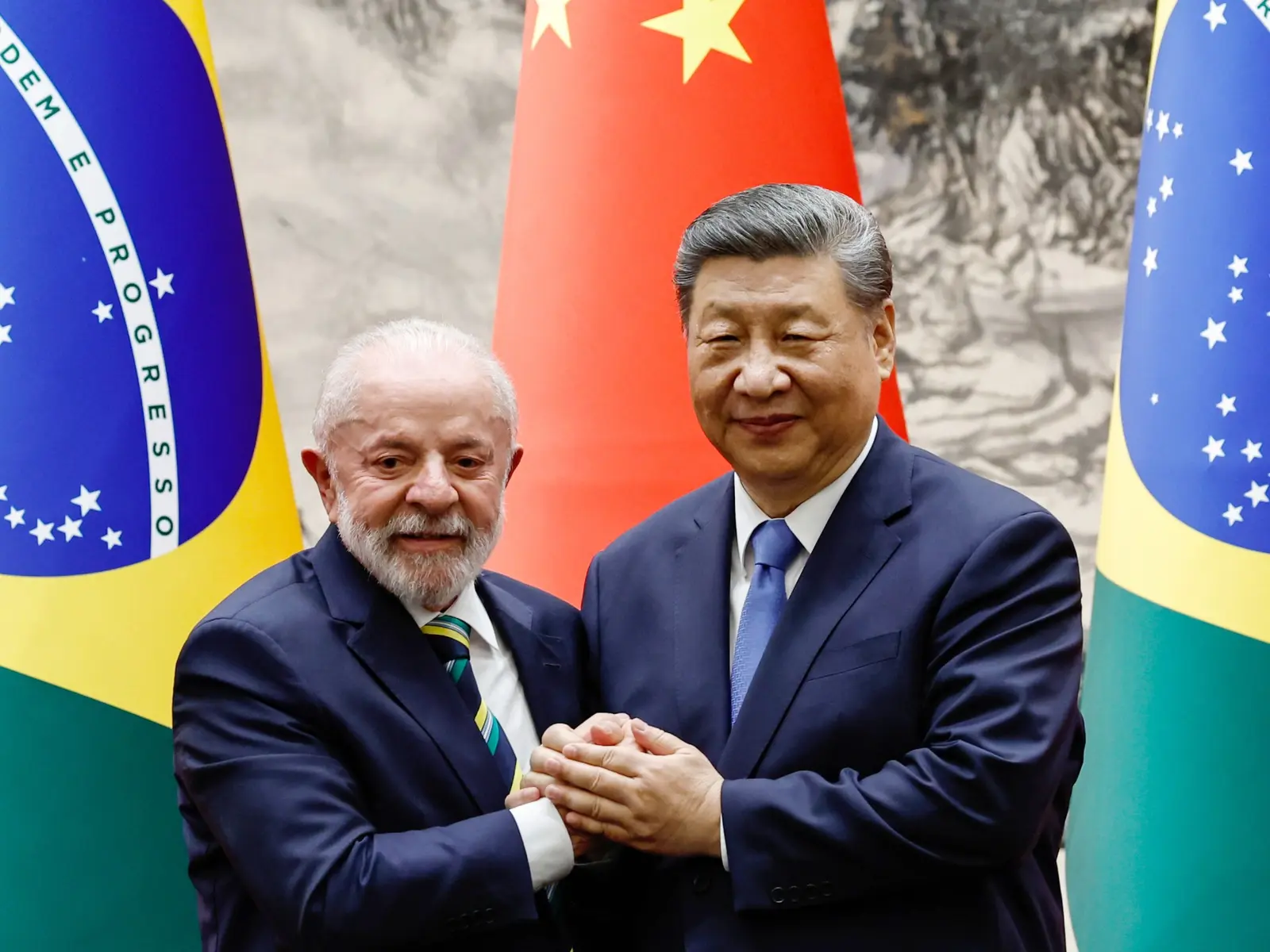 Lula’s Win Puts Global South Diplomacy to the Test
 Max Miller Loses Congressional Seat Amid Domestic Abuse Allegations
 Democrats Win Senate Control as Voters Reject Trump Agenda
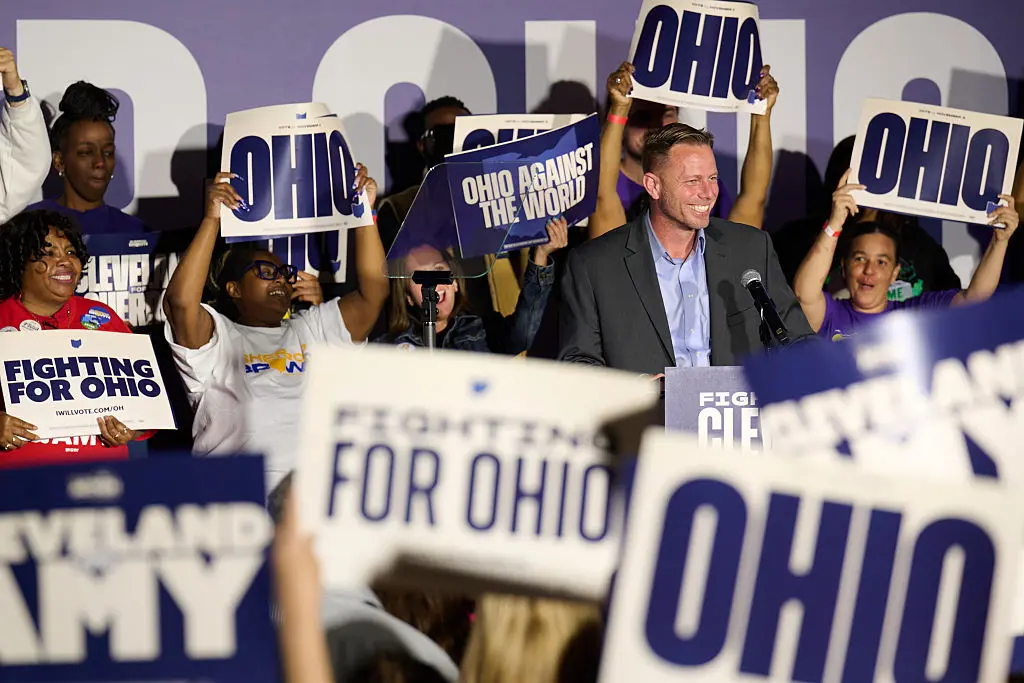 Democrat Brian Poindexter Defeats Incumbent Max Miller in Ohio’s Seventh District
Regulatory differences, lack of harmonized standards, and limited cross-border capital flows hinder efficiency. Addressing these gaps, he said, would yield faster gains than pursuing unrealistic global leadership in every field. The WEF official urged policymakers to treat internal market completion as a strategic imperative, not just an economic technicality. How Can Europe Overcome Internal Fragmentation? Caruana Galizia suggested that progress requires political will, not just technical solutions. He highlighted the need for mutual recognition of professional qualifications, unified digital taxation, and streamlined venture capital rules across member states. Without such measures, he warned, Europe risks falling behind in emerging industries despite its strong educational base and innovation capacity. He called for a new compact between governments and businesses to unlock latent market potential. Frequently Asked Questions What does strengthening the internal market mean in practice?
It means removing barriers to cross-border trade in services, aligning regulations, and making it easier for businesses and workers to operate across EU borders. This includes improving access to funding and harmonizing digital rules. Why can't Europe compete globally in all sectors? Due to fragmented markets, higher costs, and divergent national policies, Europe lacks the scale and agility of rivals like the U. S. or China in many industries. Focusing inward allows it to build strength where it can actually lead. What risks exist if Europe ignores internal market gaps? Continued fragmentation could slow innovation, reduce investment attractiveness, and weaken long-term economic resilience. It may also deepen disparities between member states and undermine public trust in the EU project.