How Community Collaboration Drove Technical Progress
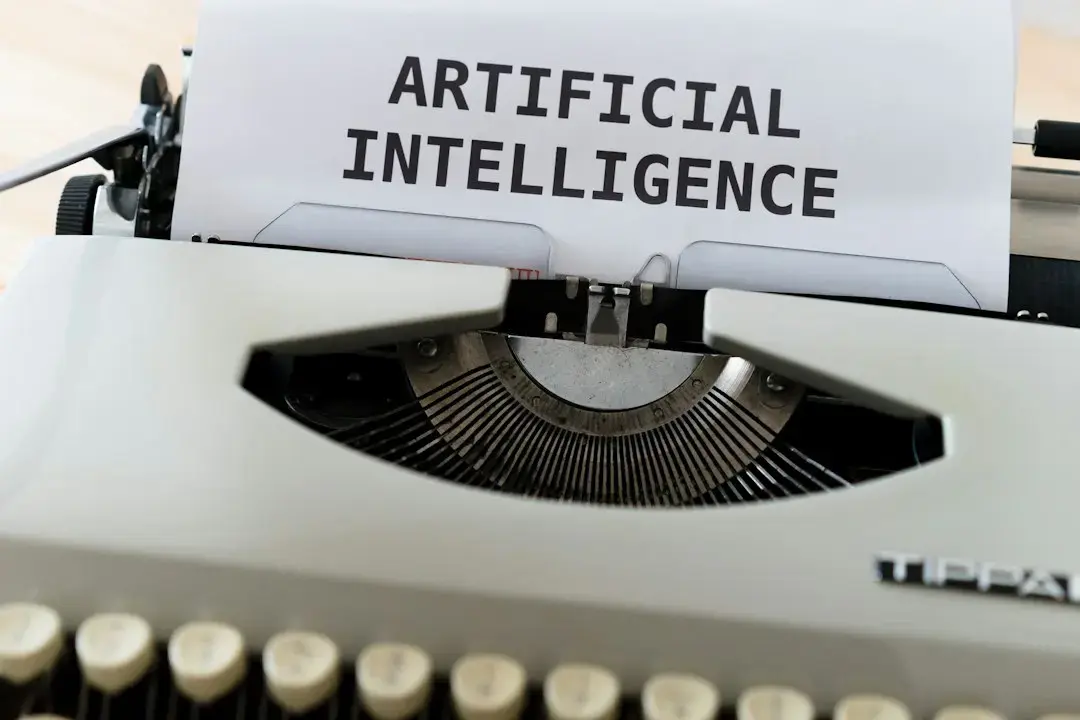
Open source artificial intelligence has evolved from experimental projects to robust, enterprise-ready systems, marking a significant milestone in technological development. This maturation reflects years of collaborative effort across global developer communities, resulting in tools that now power critical applications in healthcare, finance, and scientific research. The shift signifies growing confidence in open models as viable alternatives to proprietary solutions, with organizations increasingly adopting them for production workloads.
Breaking news
 Trump Rejects AI Safety Measures Amid China Competition
 Behavioral Health and the Justice System: Accreditation and Continuity-of-Care Standards for Justice-Involved Individuals
 Britney Spears Dazzles in Bold Lingerie Shoot
 South Korea Weighs Strong Response After DMZ Landmine Blast
The journey to maturity involved overcoming early challenges related to scalability, security, and integration complexity. Developers focused on creating standardized frameworks, improving documentation, and establishing governance models that ensure long-term sustainability. Key advancements include optimized performance on diverse hardware, enhanced interoperability between systems, and rigorous testing protocols that meet industry compliance standards. These improvements have lowered barriers to entry, enabling smaller organizations and individual innovators to leverage sophisticated AI capabilities without prohibitive costs.
What Role Do Enterprises Play in Sustaining Growth
The acceleration of open source AI stems from deliberate community strategies rather than accidental growth. Maintainers implemented modular architectures allowing incremental improvements while maintaining backward compatibility. Regular release cycles, transparent roadmaps, and inclusive contribution policies attracted diverse talent pools. Notable examples include the standardization of model exchange formats and the creation of shared benchmark suites that enable objective performance comparisons across projects. This collaborative approach has fostered innovation velocity that often surpasses closed development environments, particularly in niche domains where specialized expertise is dispersed globally.
Enterprises have transitioned from passive consumers to active contributors in the open source AI ecosystem. Companies now allocate dedicated engineering teams to maintain critical projects, recognizing that their operational success depends on the health of these foundations. Financial support through foundations and direct sponsorship has increased substantially, funding core infrastructure like continuous integration systems and security auditing initiatives. This symbiotic relationship ensures that enterprise needs shape development priorities while preserving the open nature of the technology, creating a resilient model for long-term advancement that balances commercial interests with community values.
What defines maturity in open source artificial intelligence? Maturity is characterized by stable releases, comprehensive security practices, broad industry adoption in production environments, and established governance structures that ensure project longevity beyond individual contributors.
Frequently Asked Questions
How does open source AI compare to proprietary alternatives in terms of innovation? Open source AI often drives faster innovation in foundational technologies due to global collaboration, while proprietary systems may lead in specialized applications requiring significant resource investment for development and support.
Can small organizations effectively utilize mature open source AI tools? Yes, reduced licensing costs, extensive community support, and pre-built integrations have made sophisticated AI accessible to small teams, enabling experimentation and deployment that were previously financially unattainable.