Transforming Australian Homes
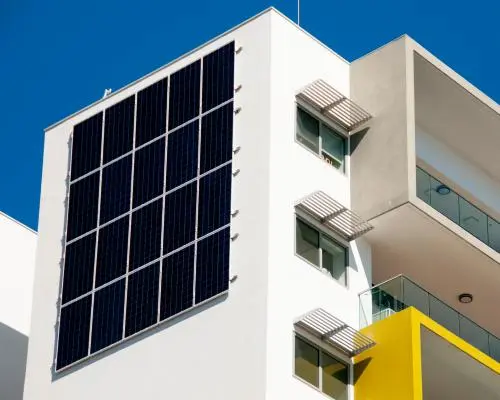
Converting single-family homes is often straightforward. Apartment blocks present much greater hurdles. Luke Barry, an engineer at GHD, notes individual stove swaps are easy. However, simultaneous upgrades across a block strain the main electrical panel. Uncoordinated changes, like unplanned EV charger installations, demand costly building connection upgrades. Solar panels and modern tech like SolShare help distribute generated power fairly.
Breaking news
 Montenegro, Albania Seek NATO Help to Counter Russian Disinformation
 Ronna McDaniel Weighs In on GOP's Path Forward
 Market Sentiment Shifts as S&P 500 Snaps Three-Day Losing Streak
 Voters Demand Stronger Congressional Oversight of Presidential Power
Centralized System Complications
Many blocks rely on centralized gas facilities. These include hot water systems and whole-building HVAC via gas boilers. Replacing these requires action from the property management entity. This is known as the „owners corporation,”„strata corporation,”or „body corporate.”Trent Jones, CEO of All Electric Homes, says energy efficiency talks usually involve residents and owners. In apartments, a third key player emerges: the owners corporation and its elected committee. Many owners ignore committee meetings, hindering consensus on major changes like electrification.
Case Studies and Technical Limits
At the High Life Living expo, Jones showed a Brunswick case study. Eighteen apartments replaced a faulty gas hot water system with solar-backed heat pumps in just four days. This eliminated a $19,000 annual gas bill, paying for the investment in under two years. Larger blocks face nuanced issues. Replacing gas HVAC boilers with heat pumps is technically hard. Boilers achieve higher temperatures than most heat pumps. Finding adequate space for heat pump banks is also challenging in high-rise buildings.
Luca Barry is currently assessing 13 medium and high-rise blocks for electrification feasibility in Melbourne. He hopes these studies aid existing building modernization. Jones insists technical fixes are often simple. The real difficulty is gaining agreement from all parties. Dr. Janette Corcoran of Owners Corporation Network advises against framing electrification purely as an environmental push. This risks polarizing neighbors.
Overcoming Non-Technical Barriers
Corcoran suggests treating electrification like any major maintenance. Include gas equipment replacement in long-term capital plans. Over a decade, this allows owners to gradually fund major work. This prevents urgent, unplanned expenses when gas equipment fails.