Loss of Diplomatic Vetting Mechanisms
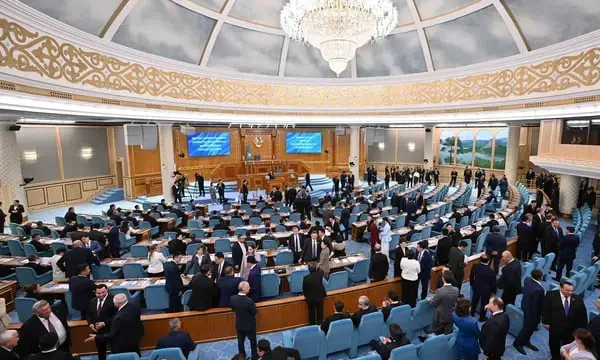
Kazakhstan has officially abolished its upper house, the Senate, creating a unified legislative body. This structural change removes a key layer of diplomatic review from the nation's governance framework. The move consolidates legislative power within a single chamber.
Breaking news
 Deadly Glacier and Rock Collapse in Nepal Linked to Climate Warming
 US Congress Passes Sweeping Sanctions Against Russia
 Speaker Johnson Ends House Session Early to Halt Impeachment Effort
 The High-Stakes Fight for Senate Majority Control
The decision significantly alters how the country manages international relations. Previously, the Senate served as a secondary check on foreign policy decisions. While its practical influence was often limited, its existence provided a structured environment for expert analysis. Removing this body eliminates a traditional venue for nuanced debate on global affairs.
The abolition of the Senate leaves a gap in Kazakhstan's foreign policy process. The upper chamber previously offered sequential vetting of international agreements and treaties. This step allowed for deeper scrutiny before final approval. Without it, the new single chamber must handle all legislative and diplomatic reviews simultaneously. Experts note that this streamlines the process but reduces the depth of specialized oversight. The loss of dedicated diplomatic expertise within the legislature is a primary concern for observers.
Does Efficiency Outweigh Specialized Oversight?
The Senate members were often selected for their specific backgrounds in international law and diplomacy. Their removal means fewer dedicated voices focused solely on external relations. The new structure relies on the remaining deputies to cover both domestic and foreign policy needs. This shift places a heavier burden on individual legislators to manage complex international issues. The transition aims to increase efficiency but risks diluting specialized knowledge.
Critics argue that the speed gained by removing the Senate comes at a cost. The upper house provided a space for slower, more deliberate discussions on sensitive topics. These included border disputes, trade agreements, and regional security pacts. The single-chamber system prioritizes rapid decision-making. However, it may lack the buffer zone that protected against hasty diplomatic commitments.
Supporters believe the new model better aligns with modern legislative trends. They argue that dual chambers often create unnecessary delays. For a country seeking to integrate further into global markets, swift legislative action is valuable. The government contends that the remaining deputies are sufficiently qualified to handle foreign policy matters. This view suggests that the previous system was more symbolic than functional in many cases.
The change reflects a broader trend toward simplifying state institutions. Kazakhstan aims to reduce bureaucratic layers while maintaining sovereignty. The new parliament will now serve as the sole legislative authority. All foreign policy initiatives must pass through this single gatekeeper. This centralization could lead to more consistent messaging in international forums.
Frequently Asked Questions
Why was the Senate removed from Kazakhstan's government? The Senate was abolished to streamline the legislative process. This move creates a single-chamber parliament to improve efficiency. It reduces the number of steps required to pass laws and treaties.
How does this affect foreign policy decisions? It removes a secondary layer of review for international agreements. The single chamber now handles all diplomatic vetting. This may speed up decisions but reduces specialized oversight.
Is this a common trend in other countries? Many nations have moved toward unicameral systems to simplify governance. This approach reduces costs and legislative complexity. Kazakhstan follows this global pattern of institutional reform.