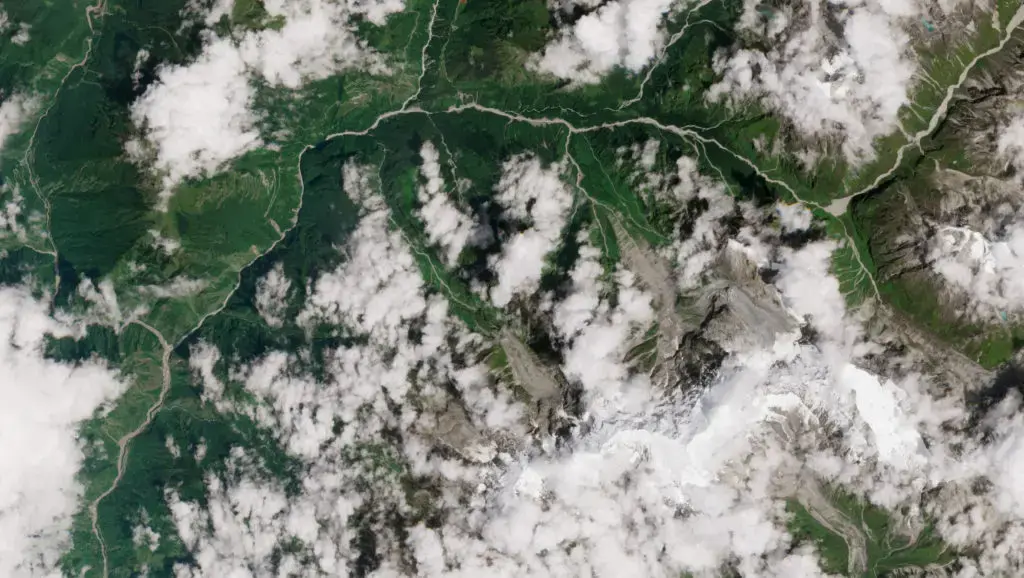
Shifting Glacial Dynamics Threaten Mountain Communities
A deadly flash flood struck Nepal on Wednesday, claiming numerous lives and leaving communities in ruins. The disaster was likely triggered by a massive chunk of ice breaking away from a glacier. This event highlights the growing danger posed by the warming Himalayan region. Residents faced sudden, violent water surges that overwhelmed local infrastructure. The incident serves as a stark warning for mountainous areas facing similar climatic shifts.
Breaking news
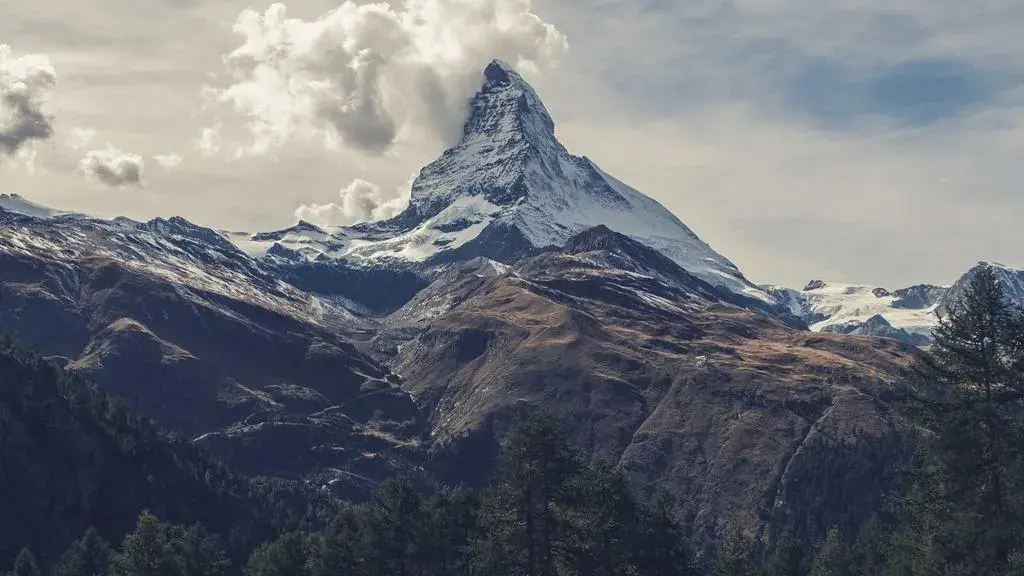 Deadly Glacier and Rock Collapse in Nepal Linked to Climate Warming
 US Congress Passes Sweeping Sanctions Against Russia
 Speaker Johnson Ends House Session Early to Halt Impeachment Effort
 The High-Stakes Fight for Senate Majority Control
The primary cause of the destruction appears to be a significant portion of glacial ice detaching from its bed. This sudden release created a torrent of water and debris that swept through valleys below. Experts believe the structural integrity of the glacier weakened due to rising temperatures. As the Himalayas warm, glaciers are retreating and becoming less stable. This instability increases the likelihood of catastrophic ice breakaways during monsoon seasons. The event underscores how climate change is directly influencing hydrological hazards in the region.
Scientists observe that the Himalayas are warming faster than the global average. This accelerated heating affects the mass balance of glaciers throughout the range. When ice melts rapidly, it can destabilize the remaining frozen structures. Large sections may then calve off unexpectedly, sending waves of water downstream. Local populations living in these valleys face heightened risks during heavy rainfall events. The combination of melting ice and intense monsoon rains creates a perfect storm for flooding. Infrastructure designed for historical weather patterns may no longer suffice for current conditions. Engineers and planners must now account for these changing variables in their designs.
How Does Warming Accelerate the Risk of Sudden Flooding?
The relationship between temperature rise and flood risk is direct and measurable. Higher temperatures reduce the friction between ice and rock, allowing larger chunks to slide. Additionally, meltwater lubricates the base of the glacier, facilitating movement. When a large section breaks away, it displaces a massive volume of water instantly. This displacement travels down river systems with tremendous force. Communities downstream have very little time to react or evacuate. The speed of the flood makes early warning systems critical yet challenging to implement effectively.
The consequences of this trend extend beyond immediate loss of life and property. Agricultural lands in fertile valleys are often buried under silt and debris. Water sources become contaminated, leading to long-term health issues for survivors. Economic activities, particularly tourism and hydropower generation, suffer significant setbacks. Looking ahead, experts predict that such events will become more frequent and severe. Without mitigation strategies, the cycle of warming and flooding will continue to intensify. Nations in the region must invest in resilient infrastructure and better monitoring technologies. Understanding these dynamics is essential for protecting future generations in the high-altitude zones.
Frequently Asked Questions
Why did the flood occur so suddenly? The flood happened because a large piece of glacier ice broke loose. This sudden release pushed a huge amount of water into the river system instantly.
Is this event linked to climate change? Yes, scientists link the incident to the warming of the Himalayas. Warmer temperatures weaken glaciers, making them more prone to breaking apart unexpectedly.
Who is most at risk from these floods? People living in valleys directly below the glaciers are most vulnerable. They face the highest danger when large ice masses detach and send torrents downstream.