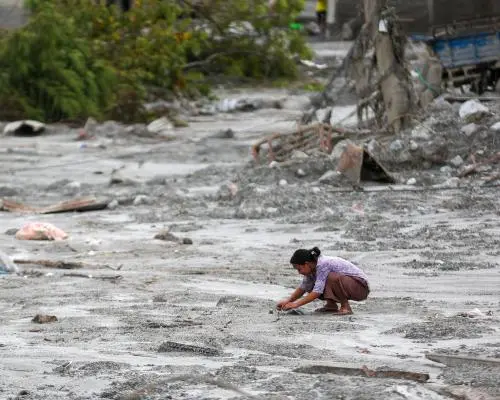
Aid agencies are struggling to deliver supplies amid ongoing risks of secondary
Recent glacial collapse and catastrophic flooding in Nepal and Tibet have caused widespread destruction, claiming lives and displacing communities. The events unfolded in late August, with sudden surges of water sweeping through valleys and damaging infrastructure. Scientists warn these incidents are symptoms of accelerating climate change impacting vulnerable mountain regions. The disasters are linked to rising temperatures destabilizing glaciers in the Himalayas, leading to glacial lake outburst floods. These phenomena disproportionately affect nations with minimal contributions to global greenhouse gas emissions. Experts emphasize that such events are becoming more frequent as climate disruption intensifies across high-altitude ecosystems. Human Cost Reveals Deep Inequities in Climate Impact Survivors describe losing homes, livestock, and livelihoods in minutes as floodwaters tore through villages. Local authorities report dozens of fatalities and thousands affected, with rescue operations hampered by remote terrain and damaged roads.
Breaking news
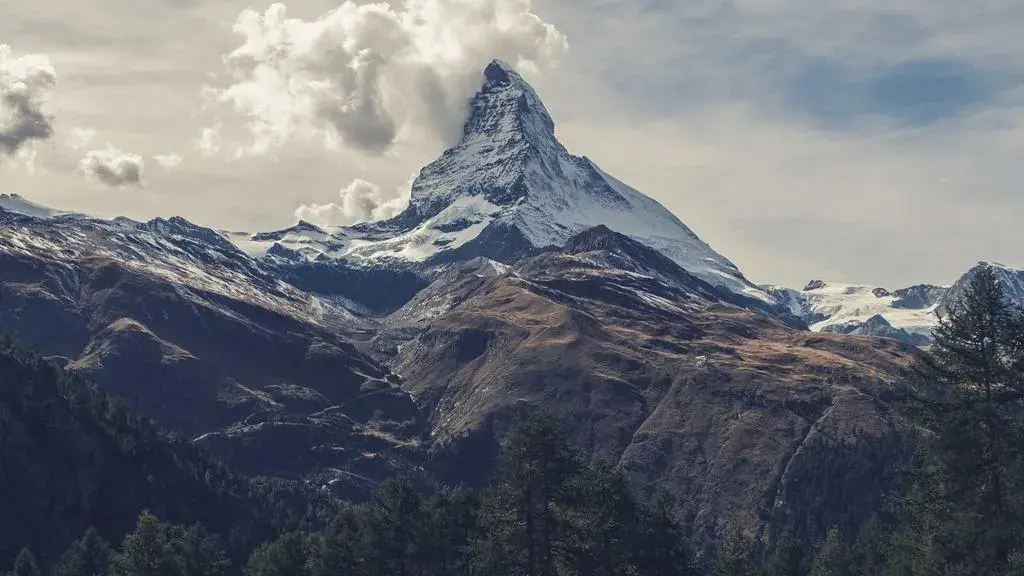 Deadly Glacier and Rock Collapse in Nepal Linked to Climate Warming
 US Congress Passes Sweeping Sanctions Against Russia
 Speaker Johnson Ends House Session Early to Halt Impeachment Effort
 The High-Stakes Fight for Senate Majority Control
Aid agencies are struggling to deliver supplies amid ongoing risks of secondary floods and landslides. Professor Lyla Mehta, an expert in water justice, stated that the floods are not natural disasters but outcomes of systemic injustice. She noted that communities contributing least to climate change bear the heaviest burdens. Her remarks underscore calls for greater accountability from high-emission nations. How Can Vulnerable Regions Adapt to Escalating Threats? Adaptation efforts remain underfunded despite growing risks to Himalayan populations. Early warning systems exist in some areas but lack coverage and maintenance. Experts urge investment in community-based monitoring, resilient infrastructure, and regional cooperation to reduce future harm. Without urgent global action to cut emissions and support adaptation, similar events are likely to increase in frequency and severity.
The floods serve as a stark reminder that climate impacts are already unfolding, demanding immediate and equitable responses. Frequently Asked Questions What caused the glacial collapse in Nepal and Tibet? The collapse was triggered by rising temperatures weakening glacial ice, leading to sudden release of water from glacial lakes. Why are Nepal and Tibet disproportionately affected by climate change? These regions face severe climate impacts despite low emissions due to their geographic vulnerability and limited adaptation resources. What measures can help prevent future flood disasters? Improved early warning systems, community preparedness, and international support for adaptation can reduce risks in vulnerable areas.