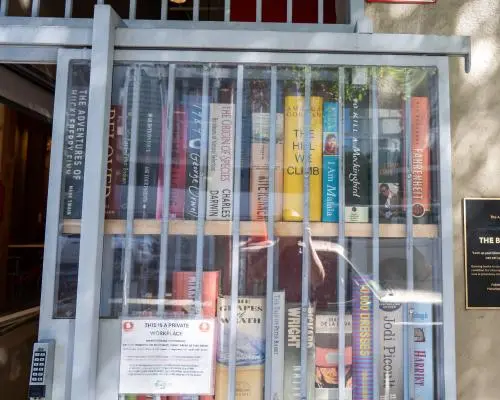
Texas Drives National Surge in Book Removals
PEN America reported nearly 12,000 book bans in U. S. public schools during the 2025-2026 school year, marking the highest annual total since tracking began. Texas led the nation with over 8,100 bans, accounting for nearly 70 percent of the national figure. The data reflects a sustained surge in efforts to remove books from school libraries and classrooms, driven by local challenges and state-level policies. Stephen King’s works appeared again among the most frequently targeted titles, continuing a trend from previous years. The organization has documented more than 34,000 book ban incidents since it began monitoring the trend.
Breaking news
 Ronna McDaniel Weighs In on GOP's Path Forward
 Market Sentiment Shifts as S&P 500 Snaps Three-Day Losing Streak
 Voters Demand Stronger Congressional Oversight of Presidential Power
 Pelosi Looks Back, Sees Democratic Triumph Ahead
Texas alone accounted for 8,100 of the nearly 12,000 book bans recorded nationwide, making it the epicenter of the current wave of censorship. PEN America noted that many of these bans stemmed from formal complaints filed by parents, activists, or school board members, often citing concerns over sexual content, gender identity, or racial themes. The state’s legislative climate, including laws allowing easier removal of materials deemed inappropriate, has contributed to the high volume. Other states with significant numbers included Florida, Missouri, and Utah, though none matched Texas’s scale. The pattern suggests a coordinated effort in certain regions to reshape school curricula and library collections.
What Fuels the Targeting of Specific Authors?
Stephen King’s novels, such as It and The Shawshank Redemption , reappeared on lists of banned books due to depictions of violence, profanity, and horror elements that some reviewers deem unsuitable for minors. PEN America emphasized that bans often focus on works by marginalized authors or those addressing LGBTQ+ experiences, but mainstream horror and fiction writers are not exempt. The organization argued that these decisions frequently lack educational context and rely on isolated passages taken out of context. Teachers and librarians have reported increased pressure to preemptively remove titles to avoid controversy, even without formal complaints. This chilling effect extends beyond official bans, affecting what books remain accessible to students.
School districts across the country are adopting varied approaches to manage book challenge requests. Some have strengthened review committees to ensure decisions follow established educational policies, while others have seen boards bypass standard procedures to act quickly on complaints. In Texas, several districts reported implementing new parental opt-in systems for certain books, requiring permission before students can access them. Meanwhile, educators’ unions and free speech advocates have pushed back, calling for greater protection of intellectual freedom in schools. PEN America urged policymakers to distinguish between legitimate curriculum review and politically motivated censorship, warning that unrestricted bans undermine students’ access to diverse perspectives.
How Are Schools Responding to the Pressure?
What types of books are most commonly banned? Books containing LGBTQ+ themes, discussions of race and racism, sexual content, or depictions of violence are most frequently challenged, though classics and popular fiction also appear regularly.
Frequently Asked Questions
Are book bans increasing in states outside Texas? Yes, while Texas leads in volume, states like Florida, Missouri, and Utah have also seen significant increases in book challenges and removals over the past few years.
Can teachers or students challenge a book ban? Yes, in many districts, teachers, students, and parents can formally request a review of a banned book through established reconsideration policies, though outcomes vary by location.