Escalating Economic Toll Amid Better Containment
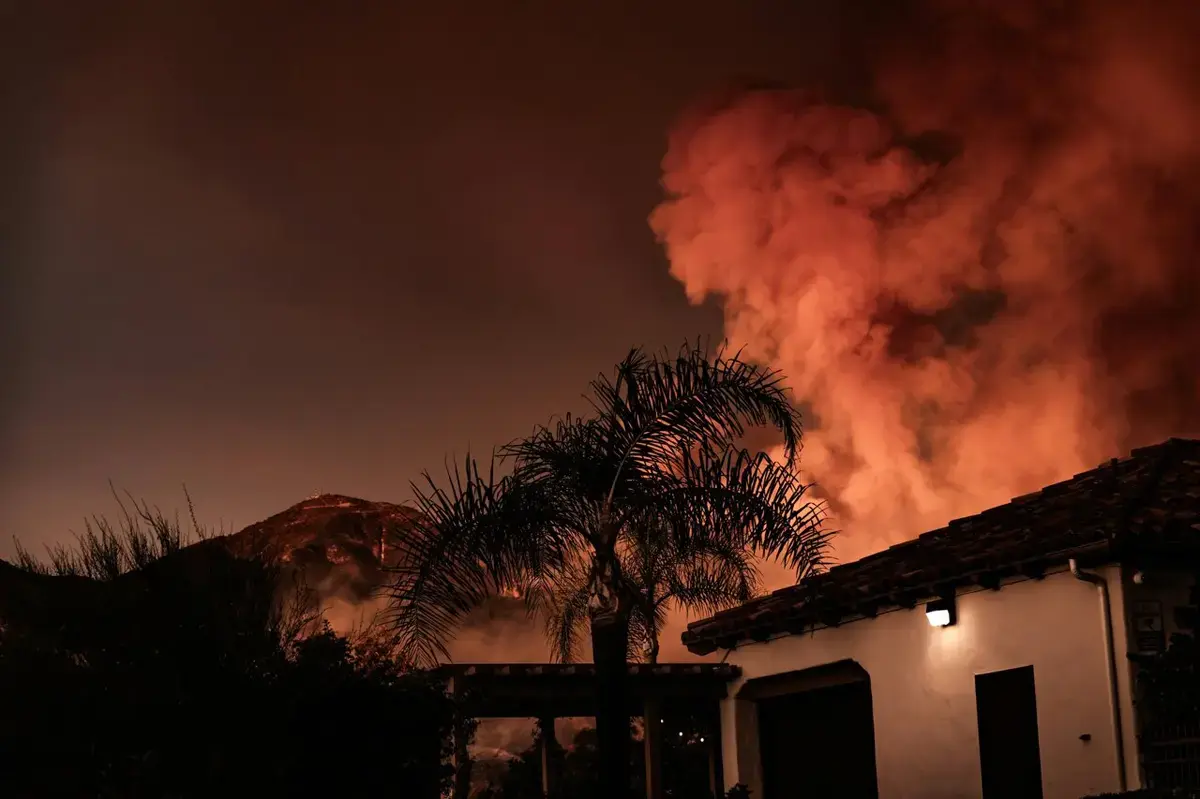
The University of East Anglia’s 2025 wildfire report shows a stark paradox: economic and human losses reached record levels while the total land burned fell to near‑historic lows. The study, which examined fire data from 190 nations, recorded $28 billion in damages, 1,200 fatalities, and a burned area of roughly 150,000 km²— the smallest extent in three decades.
Breaking news
 Greenpeace Investigates Zaporizhzhia Nuclear Plant Power Lines
 Researcher warns strict age limits needed for children on social media
 Hezbollah defends its arsenal amid Lebanese political deadlock
 Can an AI Chatbot Reduce Maternal Deaths in Kenya?
Analysts attribute the surge in losses to more intense fire behavior in vulnerable regions, even as fire‑suppression efforts limited overall spread. Drought‑driven fuel loads in the western United States, Mediterranean Europe, and parts of Australia created conditions for rapid, high‑severity blazes. Meanwhile, improved detection systems and aggressive containment policies reduced the total area ignited. Researchers say climate change amplified heatwaves, while land‑use changes increased exposure of communities to fire‑prone zones.
The report highlights that the $28 billion cost figure surpasses the previous record set in 2022. Insurance claims spiked in California’s Sierra foothills, where a single megafire destroyed over 3,000 structures. In Greece, a series of fast‑moving fires forced evacuations of 120,000 residents and inflicted $4 billion in infrastructure damage. „We are seeing a shift from frequent, low‑intensity burns to fewer but far more destructive events,” said Dr. Lena Patel, lead author of the study. The concentration of losses in densely populated zones magnifies financial impacts, even as the global burned footprint contracts.
Why Did the Burned Area Shrink to Near‑All‑Time Lows?
Fire‑management agencies reported record‑high success rates in early detection and rapid response, cutting average fire duration by 18 percent. Satellite monitoring showed that many ignitions were extinguished within 24 hours, limiting spread. Additionally, prescribed burns and fuel‑reduction programs in the Pacific Northwest and southern Spain removed combustible material before the fire season peaked. „Proactive land‑management is paying off in terms of area saved,” noted Professor Miguel Ortega, a wildfire ecologist. However, the report warns that these gains may be fragile if climate trends continue to intensify heat and dryness.
The divergent trends suggest a world where fire suppression can keep flames limited, but the growing intensity of individual events threatens lives and economies. Policymakers face a dual challenge: invest in community resilience and fire‑smart building while maintaining aggressive fuel‑management strategies. If climate projections hold, the frequency of high‑impact fires could rise, testing the limits of current suppression capacities.
Frequently Asked Questions
What drove the record economic losses in 2025? Extreme fire behavior in densely populated regions, combined with high property values and costly infrastructure, amplified financial damages despite a smaller overall burned area.
How did fire‑management practices reduce the total area burned? Improved satellite detection, faster crew deployment, and extensive prescribed‑burn programs curtailed fire spread, cutting average fire duration and limiting acreage affected.
Will the trend of shrinking burned area continue? Experts caution that rising temperatures and prolonged droughts could overwhelm suppression efforts, potentially reversing the recent decline in burned area.