How Did Regional Rivals Unite Behind Bhutan?
Fifty-five years ago, Bhutan became a member of the United Nations, a milestone achieved with unexpected backing from long-standing regional rivals. The Himalayan kingdom's admission in 1971 came during a period of intense geopolitical tension in South Asia, yet it received vocal support from both India and Pakistan, nations often at odds with each other. This rare moment of consensus underscored the international community's recognition of Bhutan's sovereignty and its peaceful approach to foreign policy. The event took place at the UN headquarters in New York, where Bhutan's flag was raised alongside those of other member states.
Breaking news
 Ronna McDaniel Weighs In on GOP's Path Forward
 Market Sentiment Shifts as S&P 500 Snaps Three-Day Losing Streak
 Voters Demand Stronger Congressional Oversight of Presidential Power
 Pelosi Looks Back, Sees Democratic Triumph Ahead
The path to UN membership was not straightforward for Bhutan, which had maintained a policy of isolation for much of its history. Beginning in the 1960s, under the leadership of the Third Druk Gyalpo, Jigme Dorji Wangchuck, the country started engaging more with the outside world, launching development initiatives and establishing diplomatic relations. India, despite its close ties with Bhutan, had previously hesitated to support its UN bid, fearing it might encourage separatist movements in the region. However, by 1971, New Delhi shifted its stance, viewing Bhutan's membership as a stabilizing factor. Pakistan, traditionally wary of Indian influence, also backed the move, seeing it as a way to balance regional dynamics. Their combined support proved crucial in securing the necessary votes in the UN General Assembly.
What Does This Moment Mean for Bhutan Today?
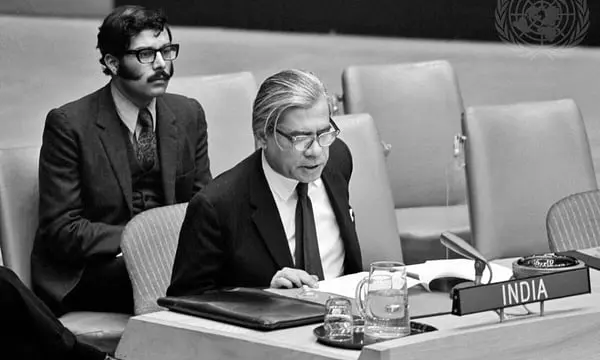
The shift in India and Pakistan's positions stemmed from a shared interest in preventing instability along their borders. Both nations recognized that Bhutan's integration into the international system would promote accountability and reduce the risk of external interference. Indian diplomat Samar Sen, who represented India at the UN, played a key role in advocating for Bhutan's case, emphasizing its commitment to non-alignment and peaceful coexistence. Archival photos from the time show Sen warmly greeting Bhutan's delegation as the resolution passed. This cooperation, though temporary, highlighted how shared regional concerns could override bilateral tensions, even if only for a moment in history.
Bhutan's early UN membership laid the foundation for its distinctive foreign policy philosophy, later encapsulated in the concept of Gross National Happiness. Over the decades, the country has used its UN platform to advocate for environmental conservation, cultural preservation, and sustainable development—principles that remain central to its identity. The 1971 admission is still cited by Bhutanese leaders as a turning point that affirmed the nation's place on the global stage without compromising its independence. Today, Bhutan continues to leverage its UN membership to amplify the voices of small and landlocked states in international forums.
Why did India initially hesitate to support Bhutan's UN bid? India was concerned that Bhutan's independence might inspire similar movements in its own border regions, particularly among ethnic groups with cultural ties to Bhutan.
Frequently Asked Questions
How did Bhutan benefit from joining the UN in 1971? Membership provided Bhutan with international legitimacy, access to development aid, and a platform to promote its unique development model on the global stage.
Was Bhutan's UN admission unanimous? While the resolution passed with broad support, some nations abstained, reflecting ongoing debates about decolonization and the recognition of newly assertive states during the Cold War era.