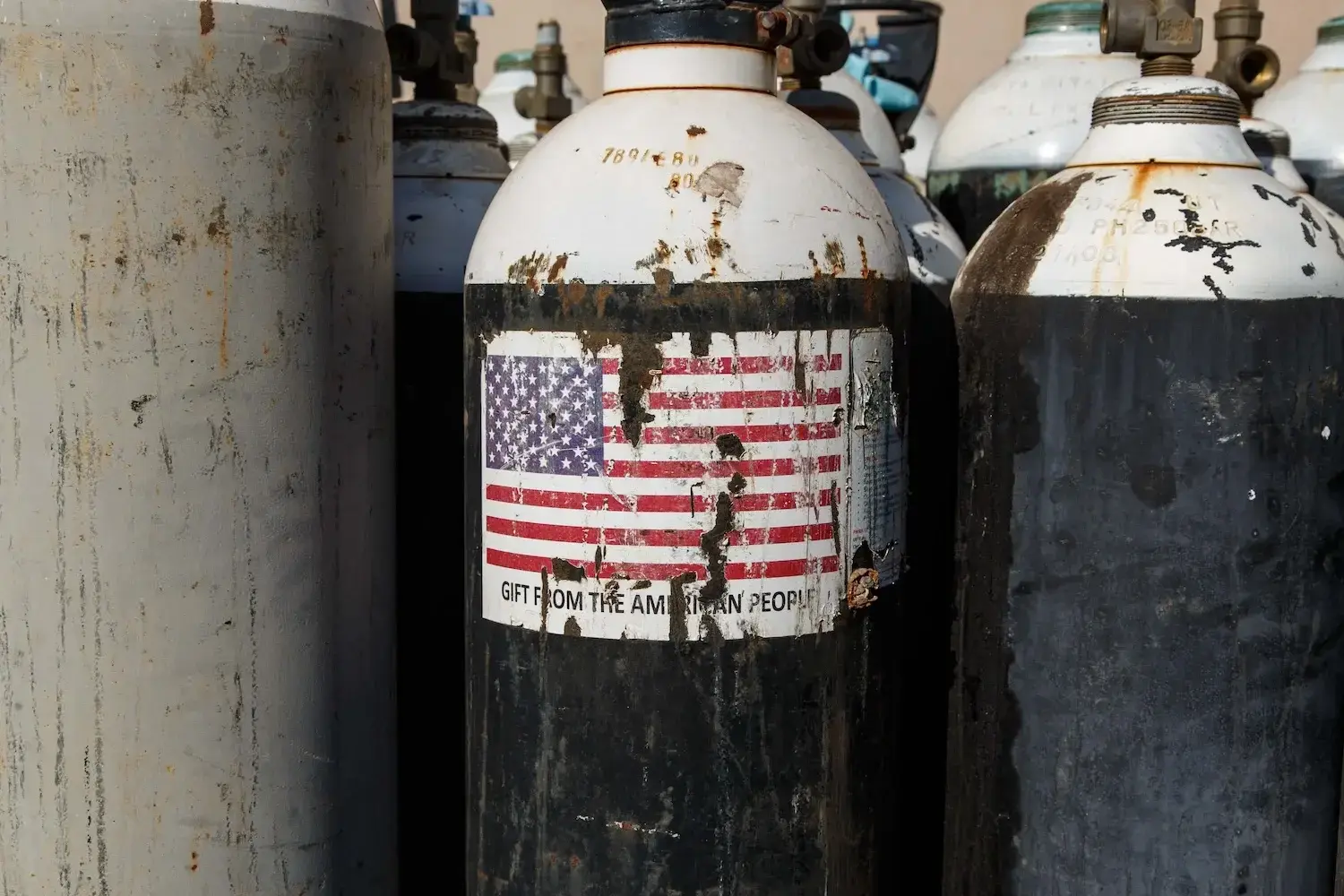
Public Support Remains Steady Despite Political Rhetoric
Recent political debate in the United States rests on a flawed assumption about public opinion on foreign assistance. Americans may actually be more supportive of foreign aid than policymakers believe.
Breaking news
 Deadly Glacier and Rock Collapse in Nepal Linked to Climate Warming
 US Congress Passes Sweeping Sanctions Against Russia
 Speaker Johnson Ends House Session Early to Halt Impeachment Effort
 The High-Stakes Fight for Senate Majority Control
The conventional wisdom in Washington suggests that foreign aid faces significant public resistance. However, new polling data reveals a more nuanced reality about American attitudes toward international assistance programs.
Recent surveys show that majorities of Americans continue to support foreign aid when framed appropriately. A 2023 Pew Research study found that 64% of respondents favored foreign assistance to address global challenges. This contradicts claims that Americans are uniformly skeptical of international programs.
Political leaders often cite opposition to foreign aid during budget discussions. Yet polling indicates that support varies significantly based on how programs are described and what crises they address. Americans tend to back aid for humanitarian emergencies while expressing concerns about long-term development projects.
The disconnect appears rooted in how foreign aid is discussed in political circles versus public surveys. Washington insiders frequently hear criticism during hearings and interviews, creating an impression of widespread opposition. Meanwhile, polling methodology often captures broader public sentiment.
The Gap Between Perception and Reality
Experts note that Americans distinguish between different types of assistance. Military aid to Ukraine receives different reactions than humanitarian aid for famine relief. The framing matters more than the underlying policy itself.
What percentage of Americans support foreign aid according to recent polls?
Majority polling consistently shows 60-65% support when questions focus on humanitarian assistance rather than abstract foreign policy concepts.
Why do politicians claim Americans oppose foreign aid when data suggests otherwise?
Frequently Asked Questions
Political rhetoric often emphasizes vocal opposition groups rather than comprehensive polling data. Politicians may also reflect their own party's preferences rather than broad public sentiment.
How does the type of foreign aid affect American public opinion?
Humanitarian aid for immediate crises receives stronger support than long-term development programs or military assistance, which face more scrutiny from the public.
The implications of this perception gap extend beyond academic interest. Policy decisions may be more constrained by political optics than actual public will. Understanding nuanced public opinion could reshape how foreign aid legislation advances through Congress.
Future debates about international assistance programs would benefit from recognizing this distinction between political rhetoric and public polling data. Policymakers ignoring these differences risk misreading their constituents' true preferences on global engagement.