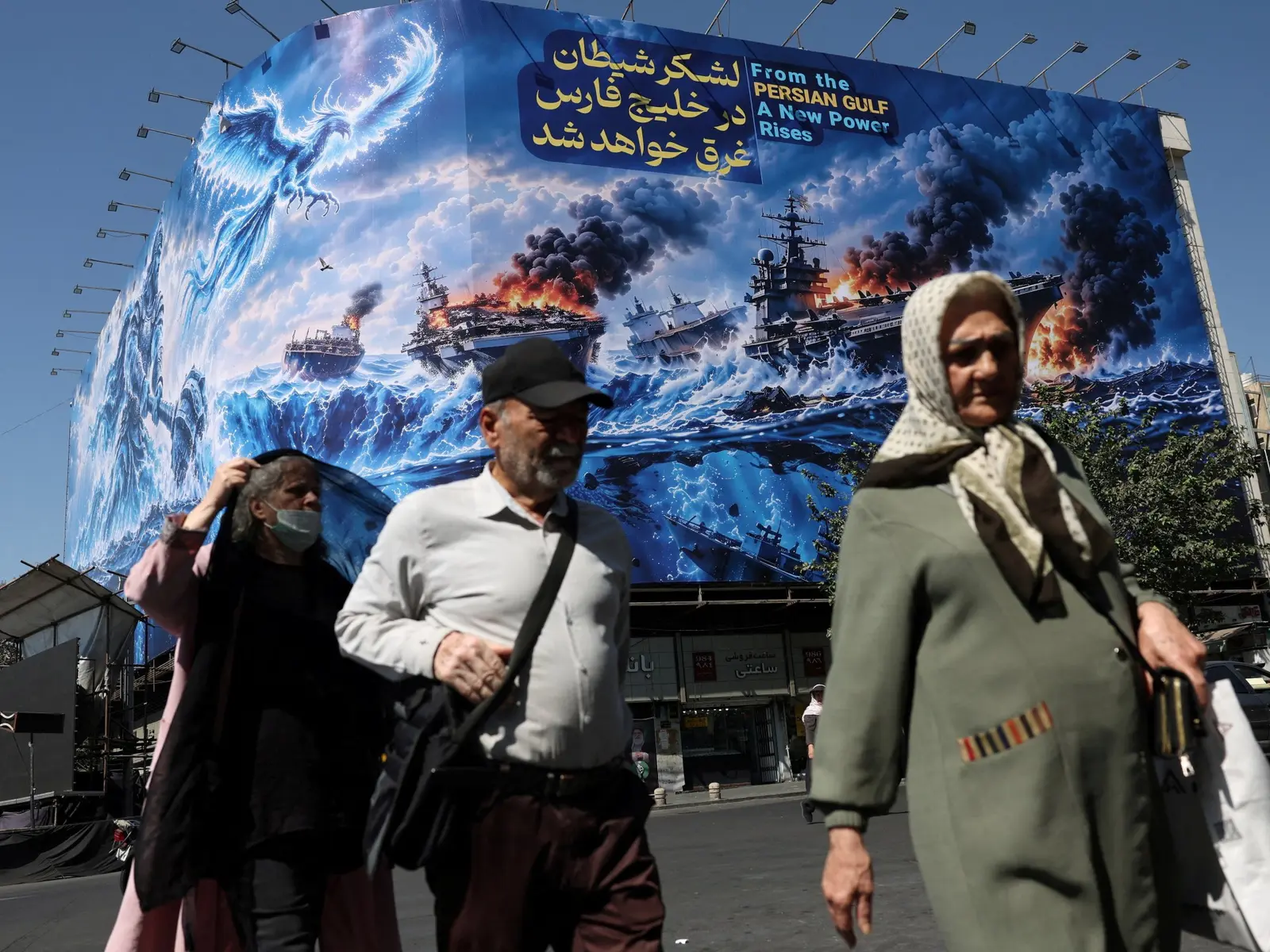
Diplomatic Breakdown Over Maritime Security
The United States has formally declined a seven-day proposal from Tehran aimed at reopening the Strait of Hormuz. President Donald Trump dismissed the plan as unacceptable, deepening the diplomatic stalemate between the two nations. This rejection follows heightened regional instability, leaving the critical maritime corridor in a state of continued uncertainty and risk.
Breaking news
 Former German Intelligence Chief Faces Espionage Charges
 American Educator Analyzes French Student Demonstrations
 Massive Protests Erupt Across France Over Educational Funding Shortfalls
 French students and teachers protest inadequate school resources
The administration’s refusal signals a firm stance against Iran’s recent overtures regarding international shipping lanes. Officials in Washington have expressed skepticism toward the terms offered by Tehran, viewing the proposed timeline as insufficient to address underlying security concerns. The Strait remains a vital artery for global energy supplies, making the failure of these negotiations a significant concern for the international community.
The rejection marks a sharp turn in the ongoing standoff. Iranian leadership has responded with growing frustration, suggesting that the path toward a peaceful resolution is narrowing. President Pezeshkian recently remarked that Iran no longer maintains trust in direct negotiations with Washington. This sentiment reflects a broader shift in Tehran’s foreign policy, prioritizing defensive posturing over diplomatic engagement.
Observers note that the lack of communication between the two capitals has created a dangerous vacuum. With the Strait of Hormuz remaining a primary focus of military maneuvering, the risk of miscalculation remains high. Both sides appear entrenched in their positions, leaving little room for a breakthrough in the immediate future.
Will the Impasse Lead to Further Regional Instability?
The collapse of these talks likely guarantees continued volatility in the Persian Gulf. As both nations retreat from the negotiating table, the threat of further naval escalations grows. International markets remain sensitive to any disruption in the region, and the current diplomatic frost suggests that energy prices could face sustained pressure. The global community now watches for signs of whether either side will offer a revised framework to prevent a wider conflict.
Frequently Asked Questions
Why did the U. S. reject the proposal? The administration deemed the seven-day plan unacceptable, indicating that the terms failed to meet necessary security standards for the region.
What is the current state of U. S.-Iran diplomatic relations? Relations have deteriorated significantly, with Iranian leadership publicly stating they no longer trust the value of holding talks with Washington.
What are the global implications of this standoff? The Strait of Hormuz is a critical maritime route for global oil shipments. Continued instability threatens to disrupt energy markets and increase geopolitical tensions.
