Targeting Peaceful Protesters: A First Amendment Concern
A former FBI official alleges that President Trump urged the agency to investigate demonstrators in Los Angeles who opposed U. S. Immigration and Customs Enforcement. The claim surfaced after a whistleblower testified before a congressional committee, suggesting the administration used federal law‑enforcement resources to suppress First Amendment activity.
Breaking news
 Asset Management One to Raise Talent Spending by 30% in Three Years
 Proposed Permanent Annexation of Gaza and Lebanon by Israeli Finance Minister
 Taiwan Overtakes South Korea as Global AI Market Leader
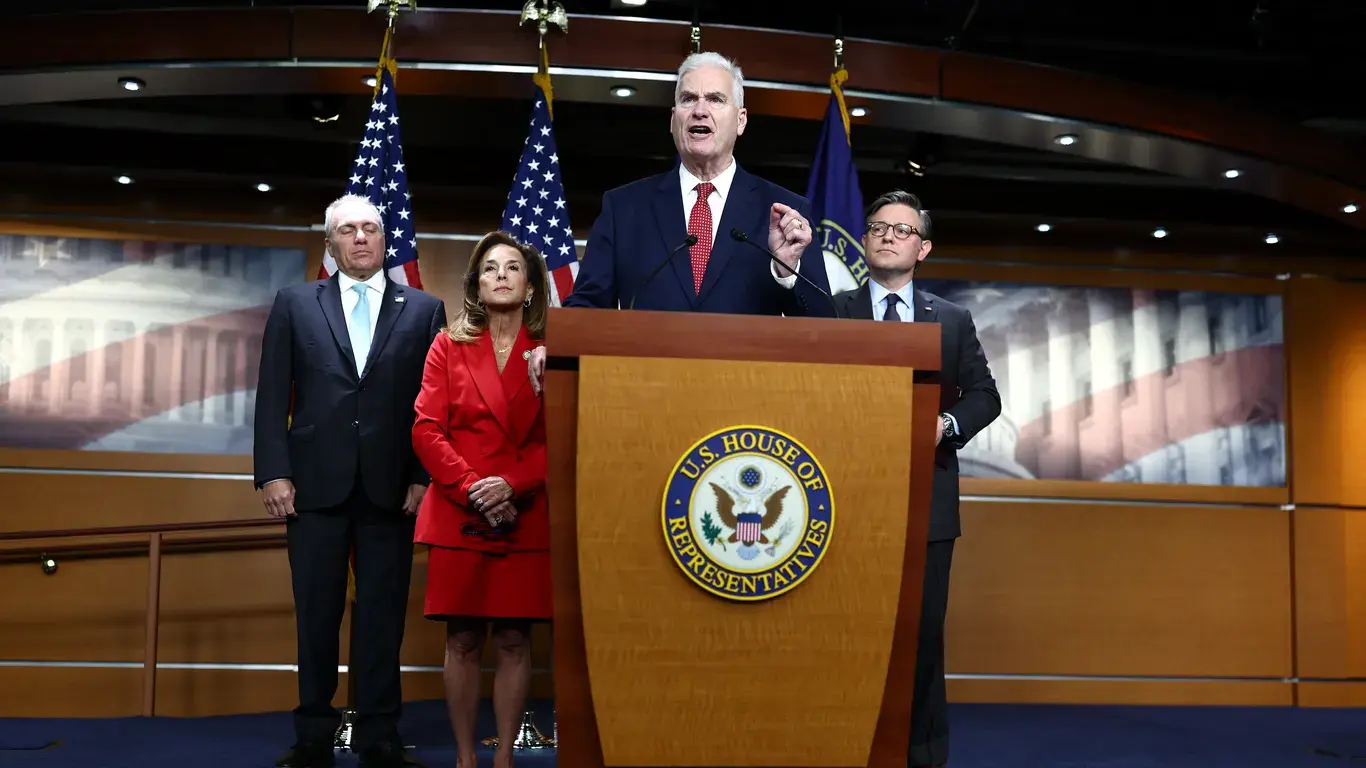 House Whip Tom Emmer Blasts Senate Republicans Over Legislative Stagnation
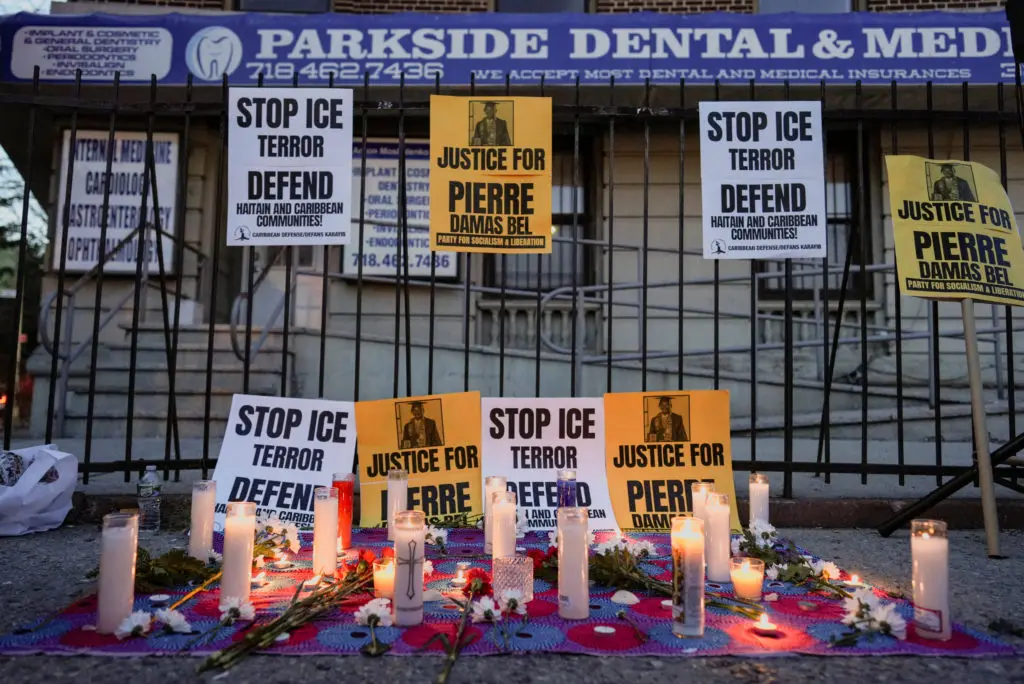
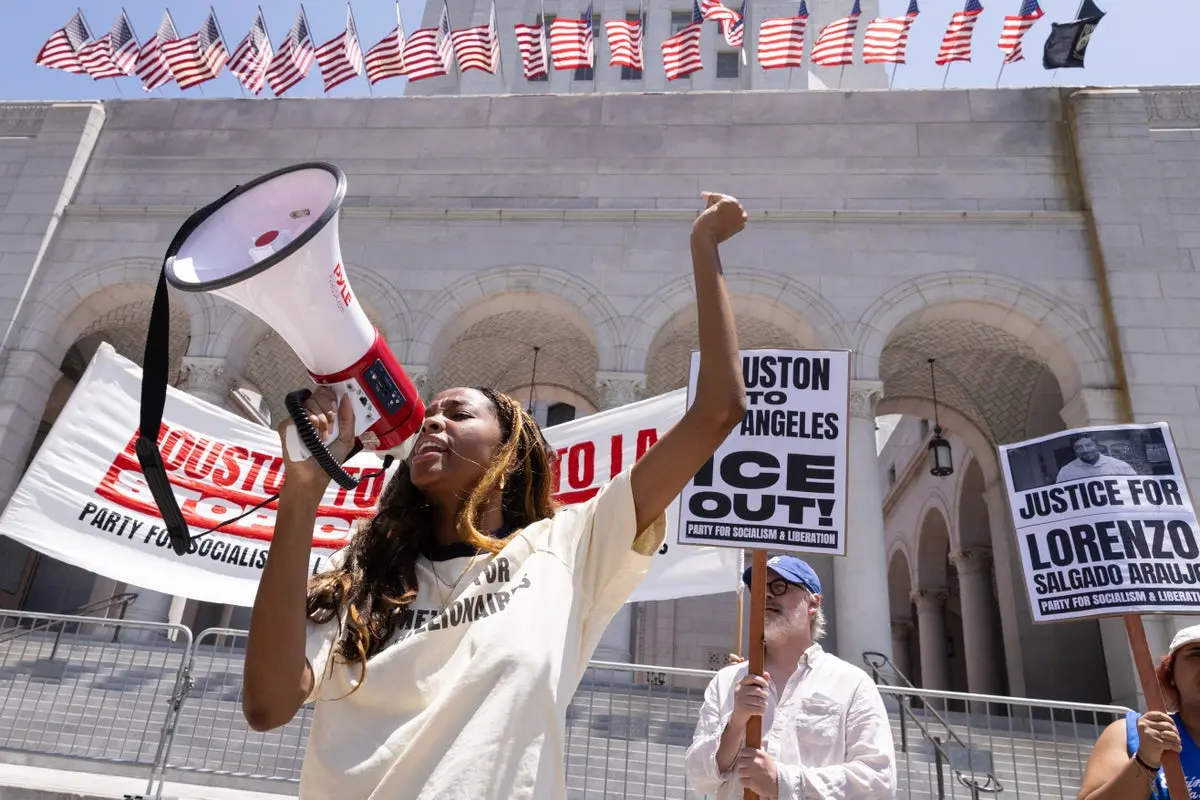
The testimony came during a hearing on federal overreach in law enforcement. The whistleblower, whose identity remains confidential, said Trump repeatedly requested that the FBI investigate the anti‑ICE rally that took place in downtown Los Angeles last month. The protest, which drew thousands of activists, was peaceful and focused on criticizing immigration enforcement policies.
The whistleblower’s allegations raise serious questions about the use of federal power to monitor and potentially criminalize lawful protest. „Using the FBI to target Americans for exercising their First Amendment rights directly undermines our nation’s foundational values,” the former official said. The claim echoes concerns from civil‑rights groups that federal agencies may be used to intimidate dissent.
How Would This Affect Future Protests?
Senator Alex Padilla, a Democrat from California, joined the criticism. He called the alleged actions „a direct attack on constitutional freedoms.” Padilla urged the Department of Justice to review the FBI’s involvement in the protest investigation and to ensure that no law‑enforcement officers acted on political pressure.
The FBI has not yet responded to the allegations. In a statement, the agency said it follows strict guidelines for investigations and that any action taken must be based on credible evidence. Critics argue that the mere suggestion of political influence erodes public trust in the bureau.
If the allegations prove true, the precedent could influence how future demonstrations are monitored. Law‑enforcement agencies may feel emboldened to investigate peaceful assemblies, especially those opposing government policies. This could chill free speech and deter citizens from exercising their right to protest.
The whistleblower’s testimony also highlights the need for clearer oversight. Some lawmakers propose new legislation to limit the FBI’s ability to investigate political protests without independent judicial authorization. The debate is likely to intensify as more evidence surfaces.
Frequently Asked Questions
What evidence supports the whistleblower’s claim? The whistleblower provided internal emails and memos that allegedly show direct requests from the White House to the FBI. However, the documents have not been released publicly, and their authenticity is still under review.
Will the FBI face disciplinary action? If investigations confirm that political pressure influenced the FBI’s actions, the agency could face internal disciplinary measures, and individual officers might be subject to federal misconduct proceedings.
What does this mean for civil‑rights activists? Activists may become more cautious about organizing public protests, fearing increased scrutiny from federal agencies. Legal advocacy groups are calling for stronger protections to safeguard First Amendment rights against potential misuse of law‑enforcement resources.