
Navigating the Geopolitical Tightrope
White House official Brett McGurk has released a new book titled „Brink,”offering an intimate account of the intense diplomatic efforts to secure the release of hostages taken during the October 7 attacks. The memoir details the grueling, behind-the-scenes negotiations that spanned months, involving complex international mediation and high-pressure decision-making.
Breaking news
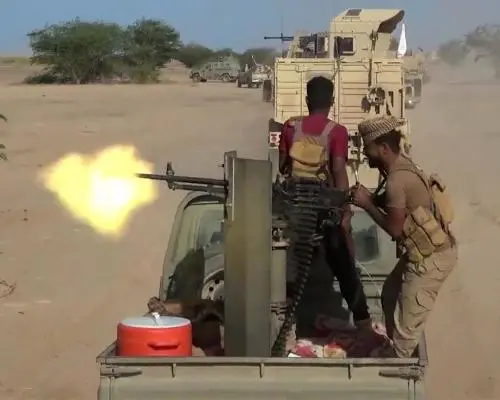 Yemen’s Civil War Flare‑Up: New Saudi Strikes Target Houthi‑Held Sana’a Airport
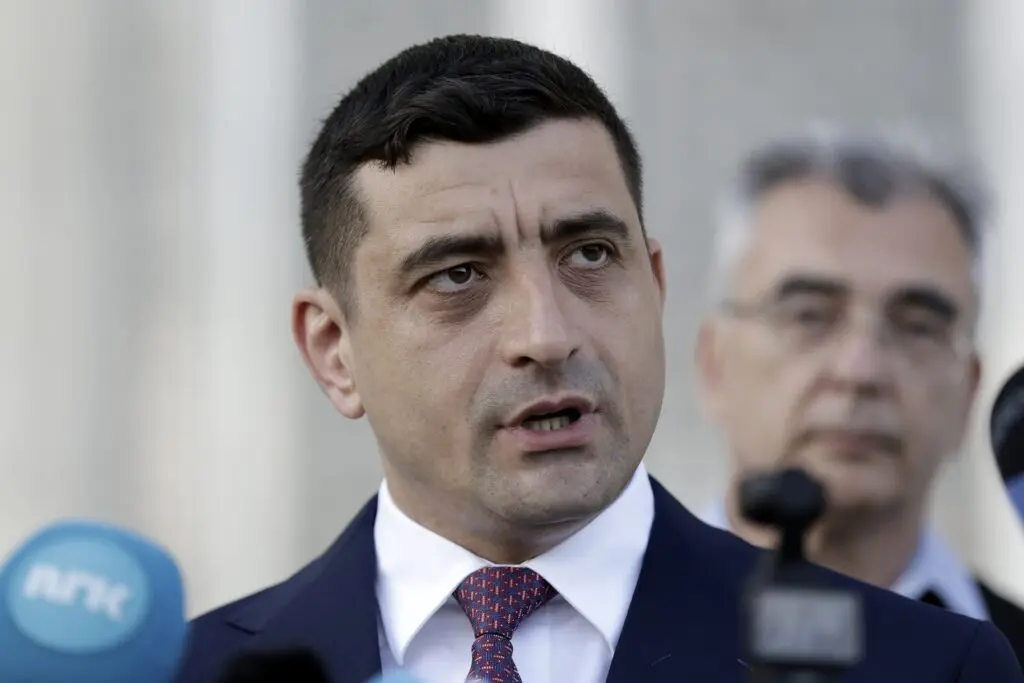 Calls Mount for Snap Elections in Romania as President Dan Faces Pressure
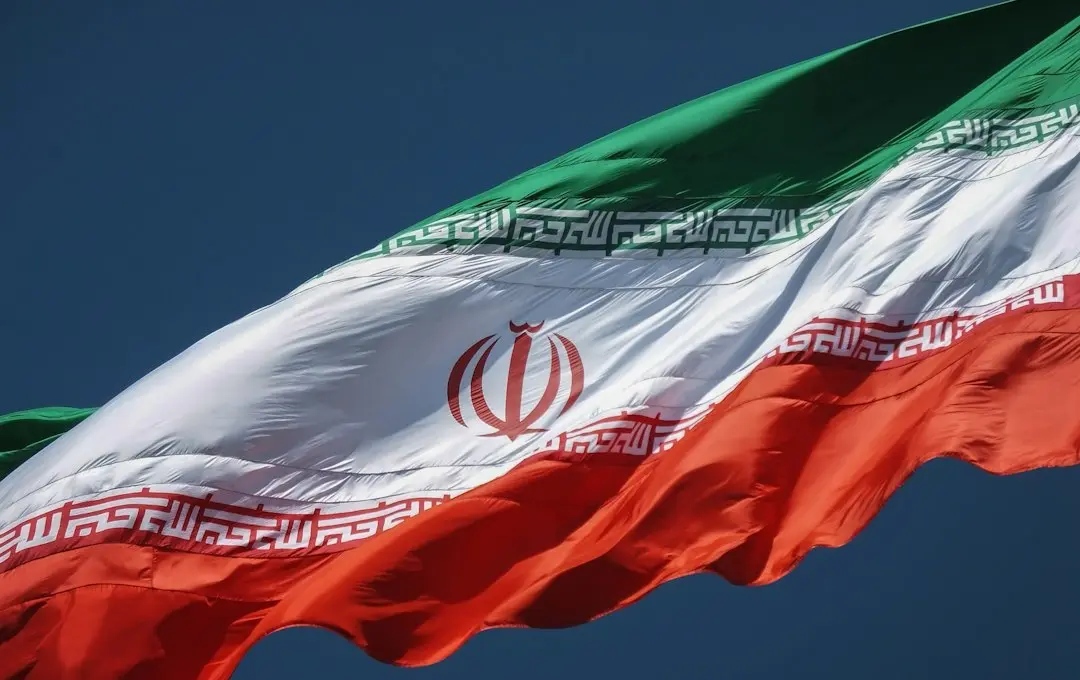 Iran Reports Over 100 Petrochemical and Pharmaceutical Sites Damaged by U.S. Attacks
 Singapore's foreign minister argues that Asian nations bear significant responsibility for the Strait of Hormuz
McGurk, a veteran diplomat who has served under four different presidential administrations, provides a rare look at the mechanics of crisis management. His narrative focuses on the delicate balance required to navigate regional tensions while prioritizing the safety of those held captive. The book highlights the immense emotional and political toll of these efforts.
The author describes the intricate web of communication channels used to reach Hamas leadership. These discussions often occurred in total secrecy, requiring constant coordination with regional partners like Qatar and Egypt. McGurk emphasizes that every decision carried life-or-death consequences for the captives.
Can Diplomacy Prevail in Such Volatile Conflict?
The account sheds light on the frustrations inherent in dealing with an adversary that operates outside traditional diplomatic norms. McGurk reflects on the difficulty of maintaining leverage while ensuring that humanitarian concerns remain at the forefront of every conversation. He portrays the process as a constant race against time.
The book serves as a testament to the persistence required to achieve even incremental progress in hostage negotiations. McGurk argues that despite the volatility of the Middle East, structured dialogue remains the only viable path to resolving such humanitarian catastrophes. He underscores the necessity of patience and strategic ambiguity during these talks.
Frequently Asked Questions
Looking ahead, McGurk suggests that the lessons learned during this crisis will shape future American foreign policy in the region. He concludes that while the mission to bring everyone home remains incomplete, the efforts documented in his book represent a vital chapter in modern diplomatic history.
What is the primary focus of Brett McGurk’s book? The book focuses on the complex, high-stakes negotiations aimed at securing the release of hostages taken during the October 7 attacks. It provides a firsthand perspective on the diplomatic strategies employed by the U. S. government.
How does the book characterize the nature of these negotiations? McGurk describes the process as an exhausting and precarious effort that required constant coordination with international mediators. He highlights the immense difficulty of balancing national security interests with the urgent need to save civilian lives.